Eco-friendly home decor has shifted towards a more sustainable and environmentally conscious approach, with designers and homeowners incorporating innovative materials, technologies, and nature-inspired elements to reduce their carbon footprint and create healthier living spaces. Bamboo alternatives and recycled glass are gaining popularity, while smart home technology optimizes energy usage. Nature-inspired textiles and colors, like botanical woven fabrics and earthy palettes, are also on the rise. Upcycled furniture and air-purifying decor are becoming mainstream, and energy-efficient solutions like solar panels and green roofs are being incorporated into home design. There's more to explore in this evolving world of eco-friendly home decor.
Sustainable Materials Take Center Stage
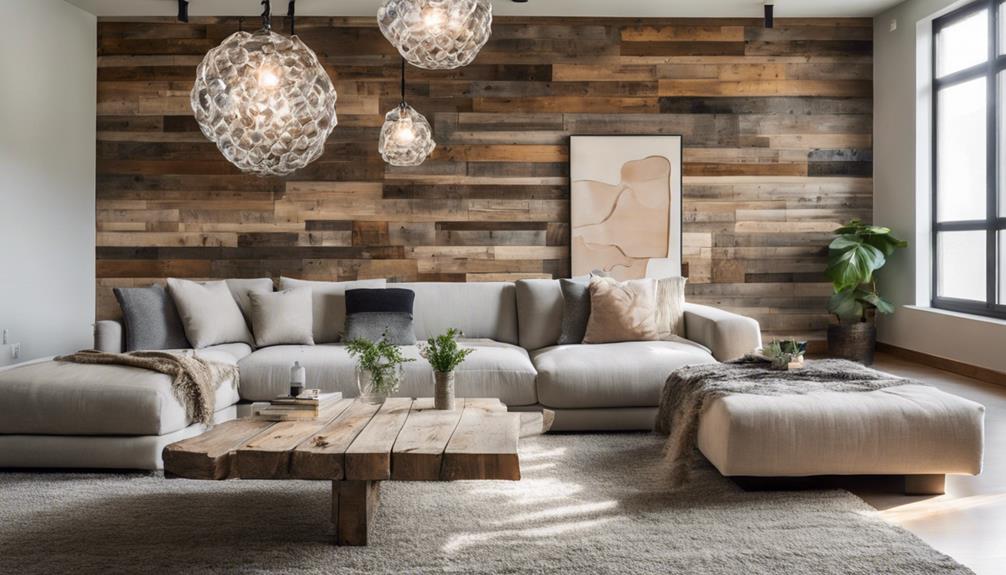
As consumers become increasingly eco-conscious, designers and homeowners are turning to sustainable materials that not only reduce environmental impact but also add unique character to living spaces. This shift in focus has led to the rise of innovative, eco-friendly materials that are redefining the world of home decor. Among these new offerings are reclaimed wood, bamboo, and recycled metals, which not only help to minimize waste but also bring warmth and texture to any room. Additionally, the use of ecofriendly construction materials, such as low-VOC paints and natural fibers, promotes healthier indoor air quality, making homes more inviting and comfortable. As awareness of environmental issues grows, the trend toward sustainable design is likely to continue, pushing the boundaries of creativity and innovation in the industry.
One such material gaining popularity is bamboo alternatives. Bamboo, a highly renewable resource, has long been touted as an eco-friendly option. However, its limited availability and high cost have led designers to explore alternative materials that mimic its look and feel. These bamboo alternatives offer a sustainable and affordable solution for homeowners looking to add a touch of natural elegance to their spaces.
Another material making waves in the world of eco-friendly home decor is recycled glass. Once relegated to the domain of countertops and backsplashes, recycled glass is now being used in a variety of creative ways, from decorative accents to statement pieces. Not only does recycled glass reduce waste and conserve natural resources, but it also adds a touch of sophistication and glamour to any room.
As consumers continue to prioritize the health of the planet, designers are responding with innovative, eco-friendly materials that not only reduce environmental impact but also elevate the aesthetic of living spaces. By embracing sustainable materials like bamboo alternatives and recycled glass, homeowners can create a space that is not only beautiful but also kind to the planet.
Smart Homes for a Greener Tomorrow
By integrating eco-friendly technologies and sustainable systems, homeowners can transform their living spaces into smart homes that not only reduce their carbon footprint but also enhance their daily lives. With the rise of smart home technology, it's now possible to control lighting, temperature, and energy usage remotely, making it easier to conserve energy and reduce waste. Voice assistants, such as Alexa and Google Home, can be integrated with smart home devices, allowing homeowners to control their living space with ease.
One of the most innovative features of smart homes is energy harvesting, which captures and converts natural energy from the environment into usable power. This can be achieved through solar panels, wind turbines, or even kinetic energy harvesting, which captures energy from footsteps or vibrations. This self-sustaining energy system reduces reliance on non-renewable energy sources, minimizing the home's carbon footprint.
Smart homes can also be equipped with advanced water conservation systems, greywater recycling, and composting systems, further reducing waste and promoting sustainability. With the ability to monitor and control energy usage in real-time, homeowners can make informed decisions about their energy consumption, leading to a more sustainable future. As technology continues to evolve, smart homes are poised to play a significant role in reducing our environmental impact, creating a greener tomorrow for generations to come.
Nature-Inspired Textiles on the Rise
As a growing trend in eco-friendly home decor, nature-inspired textiles are gaining popularity, and it's easy to see why. With their unique blend of style and sustainability, these textiles are bringing the outdoors in. From botanical woven fabrics to earthy color palettes and organic pattern designs, it's clear that nature is the ultimate design inspiration.
Botanical Woven Fabrics
Nearly 70% of interior designers and homeowners are now opting for botanical woven fabrics, which have become a staple in nature-inspired textiles. This trend is driven by the desire for eco-friendly and sustainable home decor. Botanical woven fabrics are made from natural fibers such as cotton, linen, and hemp, which are biodegradable and require minimal processing. These fabrics feature intricate floral patterns that evoke a sense of serenity and connection to nature.
The use of botanical woven fabrics is not limited to upholstery and drapery. They can also be used to create stunning wall coverings, adding texture and visual interest to any room. Moreover, these fabrics can be easily paired with other eco-friendly materials, such as reclaimed wood and low-VOC paints, to create a holistic and sustainable design. As consumers become more environmentally conscious, botanical woven fabrics are poised to play a prominent role in the world of eco-friendly home decor. With their natural beauty and sustainable credentials, it's no wonder they're becoming a go-to choice for designers and homeowners alike.
Earthy Color Palette
Heritage hues, reminiscent of the great outdoors, are dominating the world of eco-friendly home decor, with earthy tones like sage, moss, and sand becoming the go-to colors for nature-inspired textiles. These calming shades evoke a sense of serenity and connection to nature, making them perfect for creating a cozy and inviting atmosphere.
| Color | Inspiration | Mood |
|---|---|---|
| Sage | Fresh foliage | Calming |
| Moss | Forest floors | Earthy |
| Sand | Desert landscapes | Warm |
| River Rock | Water's edge | Soothing |
| Forest Floor | Woodland depths | Cozy |
To incorporate these earthy tones into your home decor, try creating a mood board with natural textures and colors. Use color blocking to add visual interest and create a cohesive look. By combining these nature-inspired hues with sustainable textiles, you can bring the outdoors in and create a tranquil oasis that's both stylish and eco-friendly.
Organic Pattern Designs
Three-quarters of homeowners are now opting for nature-inspired textiles, driving the rise of organic pattern designs that echo the natural world. This trend is all about embracing the beauty of the outdoors and bringing it indoors. Floral motifs, once considered old-fashioned, are making a comeback in a big way. From subtle, watercolor-style blooms to bold, oversized flowers, these patterns are adding a touch of elegance to eco-friendly homes.
To add some visual interest, designers are pairing these floral motifs with geometric accents. The combination of organic shapes and structured patterns creates a unique, eye-catching look that's both modern and earthy. For instance, a bold floral print on a sofa might be paired with geometric-patterned throw pillows or a rug featuring a natural, earth-toned geometric design. The result is a space that feels connected to nature, yet still sophisticated and stylish. As consumers become increasingly environmentally conscious, this trend is expected to continue growing, with homeowners seeking out innovative, eco-friendly textiles that celebrate the beauty of the natural world.
Upcycled Furniture Goes Mainstream
As consumers become increasingly eco-conscious, upcycled furniture has evolved from a niche trend to a mainstream phenomenon, with designers and manufacturers capitalizing on the demand for sustainable home decor. This shift is driven by the growing awareness of the environmental impact of fast furniture, which is often cheaply made and quickly discarded. Upcycled furniture, on the other hand, offers a creative solution to waste reduction and sustainable living.
The Furniture Revival movement is at the forefront of this trend, where old, discarded pieces are transformed into unique, functional, and stylish pieces of art. Creative Reuse is the cornerstone of this movement, where imagination and resourcefulness come together to breathe new life into discarded materials. From vintage window planters to repurposed pallet coffee tables, upcycled furniture is not only eco-friendly but also a demonstration of human ingenuity.
With the rise of online marketplaces and social media, it's easier than ever for consumers to discover and purchase upcycled furniture. This increased accessibility has led to a surge in demand, prompting mainstream manufacturers to incorporate sustainable practices into their production processes. As a result, upcycled furniture is no longer relegated to boutique stores or DIY enthusiasts; it's now a viable option for anyone looking to furnish their home with a clear conscience.
Air-Purifying Decor for Healthier Living
She turns her attention to the importance of air-purifying decor, an essential aspect of creating a healthier living space. By incorporating natural air purifiers into one's home, individuals can greatly reduce indoor air pollution. This can be achieved through the strategic placement of plants, which serve as effective filters, cleansing the air of toxins and pollutants.
Natural Air Purifiers
Natural air purifiers, like peace lilies and spider plants, work wonders in eliminating toxins and pollutants from the air, creating a healthier living space. Fresh Greens, an essential component of the Urban Jungle, have become increasingly popular in modern homes. These natural wonders not only purify the air but also add a touch of elegance to any room.
| Plant | Air-Purifying Benefits |
|---|---|
| Spider Plant | Removes 90% of benzene and formaldehyde from the air |
| Peace Lily | Effective against ammonia, toluene, and acetone |
| Dracaena | Eliminates trichloroethylene and formaldehyde |
Incorporating these natural air purifiers into your home decor can have a significant impact on indoor air quality. By choosing the right plants, you can create a healthier living space that promotes well-being and freshness. With the growing trend of Urban Jungle-inspired homes, it's no wonder that Fresh Greens are becoming a staple in eco-friendly home decor. By embracing this trend, you can breathe easy, knowing that your home is not only stylish but also healthy.
Plants as Filters
By strategically placing air-purifying plants throughout their homes, individuals can create a powerful network of natural filters that work tirelessly to remove pollutants and toxins from the air. This innovative approach to indoor air quality is a game-changer for those seeking healthier living spaces. Plants like peace lilies, spider plants, and aloe vera are known to effectively eliminate harmful chemicals, such as formaldehyde and benzene, from the air. Green walls, also known as living walls, take this concept to the next level by incorporating multiple plants into a single, space-saving design. This not only enhances air purity but also adds a touch of natural beauty to any room. By incorporating plants as filters, homeowners can breathe easier, knowing they're improving the air quality in their homes. As people become more aware of the importance of indoor air quality, the demand for air-purifying decor is on the rise. By embracing this trend, individuals can create a healthier, more sustainable living environment that benefits both themselves and the planet.
Energy-Efficient Solutions for Homes
Incorporating energy-efficient solutions into home design not only reduces carbon footprint but also saves homeowners a substantial amount on their utility bills. With the increasing awareness about climate change, eco-conscious homeowners are opting for innovative solutions that minimize their environmental impact. One such solution is the installation of solar panels, which harness renewable energy from the sun to power homes. This not only reduces reliance on non-renewable energy sources but also decreases greenhouse gas emissions.
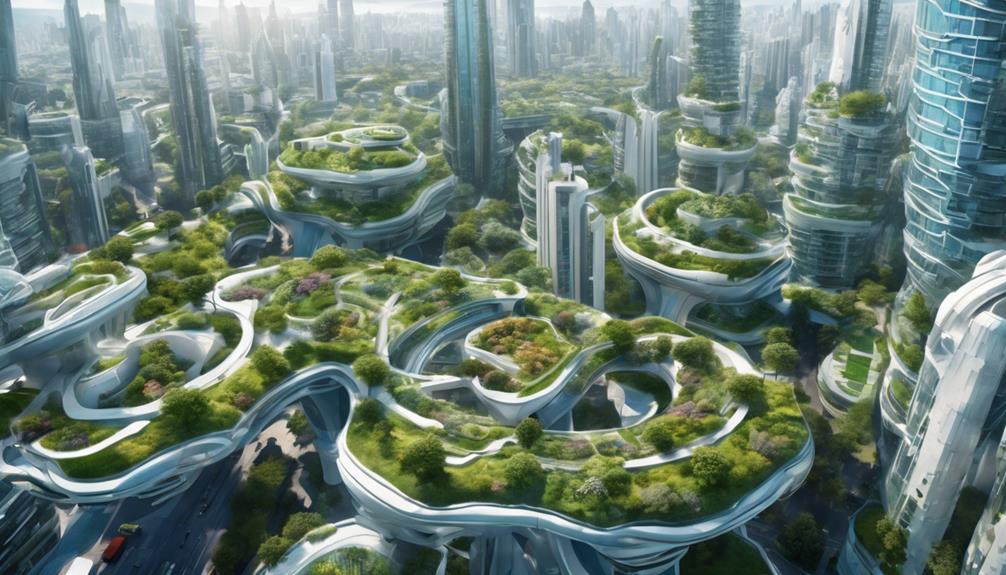
Another trend gaining popularity is the use of green roofs, which provide excellent insulation, reducing the need for artificial heating and cooling. Green roofs also create habitats for wildlife, promoting biodiversity in urban areas. These eco-friendly solutions not only benefit the environment but also increase the value of properties. Homeowners can also explore other energy-efficient solutions, such as energy-efficient windows, LED lighting, and smart home systems that optimize energy consumption. By incorporating these solutions into home design, homeowners can significantly reduce their carbon footprint and create a sustainable living space.
As the demand for eco-friendly homes continues to rise, architects and designers are pushing the boundaries of innovation, incorporating cutting-edge technologies and sustainable materials into their designs. With the increasing focus on environmental sustainability, energy-efficient solutions are no longer a luxury but a necessity for homeowners who want to make a positive impact on the planet. By embracing these solutions, homeowners can create a healthier, more sustainable living space that benefits both the environment and their wallets.
Frequently Asked Questions
Can I Mix Eco-Friendly Decor With My Existing Non-Eco Furniture?
She can absolutely mix eco-friendly decor with her existing non-eco furniture. In fact, blending these two styles creates a unique, blended style that showcases sustainable harmony. By incorporating eco-friendly pieces, she'll not only reduce her carbon footprint but also add a fresh perspective to her space. The contrast between old and new will create an intriguing visual narrative, making her home a true reflection of her commitment to innovation and sustainability.
Are Eco-Friendly Home Decor Options More Expensive Than Traditional Ones?
She considers the cost comparison between eco-friendly and traditional home decor options. Take, for instance, a bamboo coffee table priced at $800, versus a similar traditional one at $500. While the eco-friendly option seems more expensive upfront, it's important to factor in the long-term benefits and luxury alternatives. In the grand scheme, eco-friendly decor may not be as pricey as one thinks, especially when considering the environmental and health benefits that come with sustainable living.
How Do I Know if a Product Is Genuinely Eco-Friendly or Just "Greenwashed"?
She strives to verify the eco-friendliness of a product isn't just a marketing ploy. To avoid greenwashing, she checks for reputable certification standards like EcoLogo or Oeko-Tex. She's become label literate, recognizing logos that guarantee a product meets rigorous environmental standards. By doing her due diligence, she makes informed purchasing decisions that align with her values, supporting brands that genuinely prioritize the planet.
Can I Make My Own Eco-Friendly Home Decor Items Instead of Buying New?
She can definitely create her own eco-friendly home decor items instead of buying new. This approach not only reduces waste but also allows for personalization. DIY Delights, like upcycled planters and refurbished furniture, can be crafted with minimal budget and maximum creativity. Repurposed Relics, such as old mason jars and vintage fabrics, can be transformed into unique decorative pieces. By getting creative, she can give old items new life and reduce her carbon footprint.
Will an Eco-Friendly Home Decor Renovation Increase My Home's Resale Value?
Did you know that 75% of homeowners believe that eco-friendly features increase a home's value? When it comes to eco-friendly home decor renovations, the answer is yes – it can boost your home's resale value. In fact, an eco-friendly renovation can give your home an appraisal boost, making it more attractive to potential buyers. This increased seller appeal can lead to a faster sale and a higher selling price.