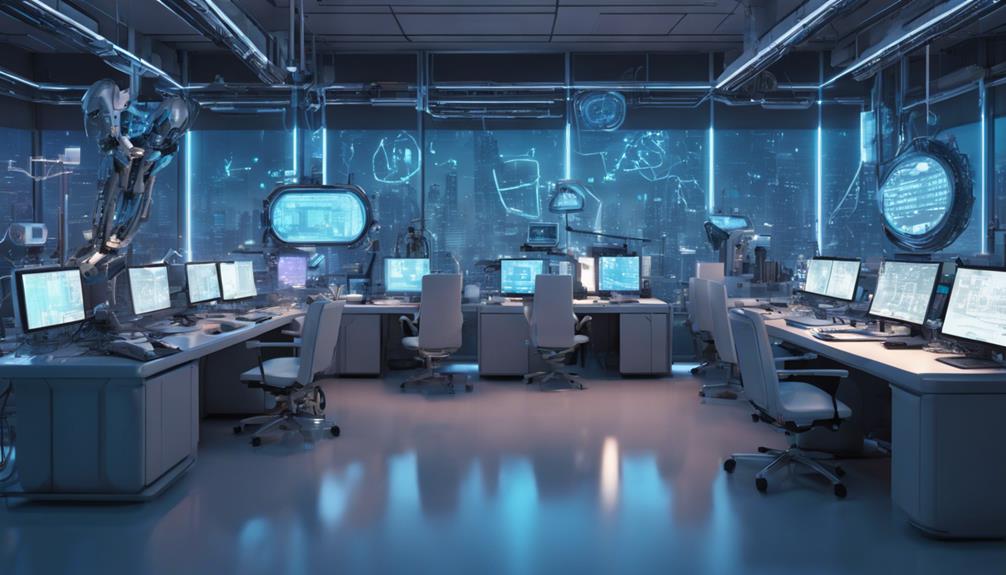
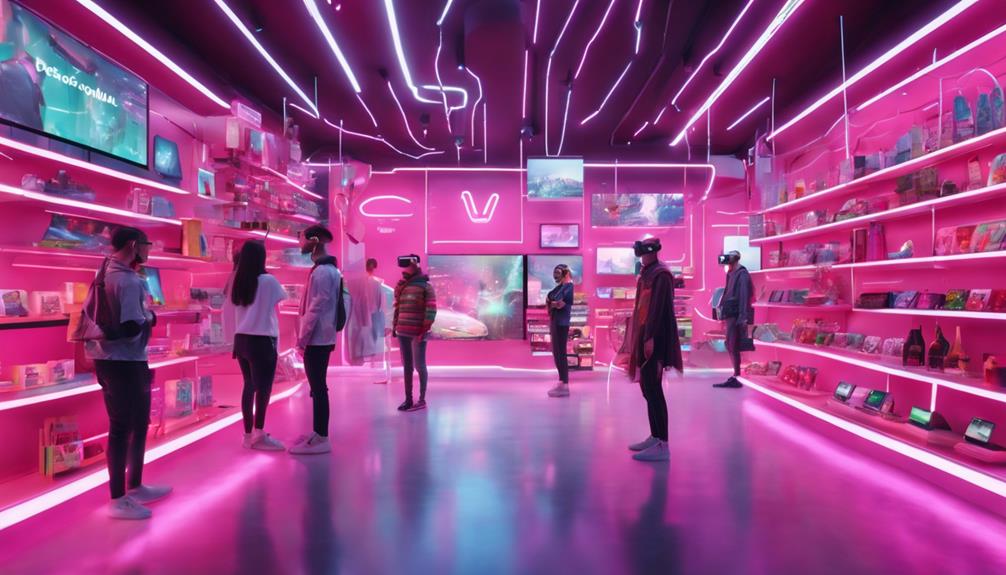
Technology is revolutionizing the retail industry, transforming it into an immersive, personalized, and seamless experience that blurs the lines between physical and digital shopping. From revamped in-store experiences with sensory designs to smart stores with AI-powered chatbots, augmented reality is bridging the gap between online and offline shopping. AI-powered customer service is providing 24/7 support, and supply chain management is being optimized with blockchain and IoT sensors. As retail continues to evolve, it's clear that technology is magic for the industry – and that's just the beginning of this transformative journey.
Revamping In-Store Experiences
By seamlessly integrating technology into their physical spaces, retailers are transforming in-store experiences to captivate customers and stay ahead in the competitive retail landscape. One key strategy is the strategic deployment of digital displays, which can be used to showcase products, provide interactive experiences, and even personalize content for individual customers. These high-tech displays are not only visually striking but also provide a wealth of data on customer behavior, allowing retailers to refine their marketing strategies and improve customer engagement.
Beyond digital displays, retailers are also leveraging sensory design to craft immersive experiences that appeal to customers' emotions and senses. This can include everything from carefully curated playlists to strategically placed scents and textures. By engaging multiple senses, retailers can create memorable experiences that leave a lasting impression on customers. For instance, a fashion brand might use digital displays to showcase their latest collection, while also incorporating sensory design elements such as upbeat music and a sleek, modern aesthetic to create an Instagram-worthy moment.
The Rise of Smart Stores
Retailers' latest innovation, the smart store, is revolutionizing the shopping experience with cutting-edge technology that streamlines operations, enhances customer engagement, and boosts sales. By harnessing the power of data analytics and IoT sensors, smart stores are transforming the retail landscape. One key feature of smart stores is the implementation of Smart Shelves, which use RFID tags and sensors to track inventory levels in real-time. This allows retailers to optimize stock replenishment, reduce stockouts, and minimize overstocking.
Inventory Tracking is another vital aspect of smart stores, enabling retailers to accurately monitor product movement and identify areas for improvement. With real-time insights, retailers can fine-tune their supply chain management, reduce waste, and improve customer satisfaction. Smart stores also leverage AI-powered chatbots to offer personalized recommendations, helping customers find products quickly and effortlessly. Smart stores are also equipped with digital signage and interactive displays, creating an immersive shopping experience that engages customers and drives sales.
Augmented Reality Shopping
As shoppers increasingly crave immersive experiences, augmented reality shopping is emerging as a game-changer in the retail landscape, enabling customers to virtually try on products and visualize furniture in their homes before making a purchase. This innovative technology is revolutionizing the way consumers interact with products, bridging the gap between online and offline shopping. With augmented reality, customers can engage in Virtual Try On, witnessing how a product would look on them without physically having to try it on.
This technology is particularly powerful in the world of fashion, where customers can virtually try on clothing, accessories, and even makeup. The immersive experience allows shoppers to make more informed purchasing decisions, reducing the likelihood of returns and increasing customer satisfaction. Additionally, augmented reality shopping enables retailers to craft Immersive Storytelling experiences, where customers are transported into a virtual world that showcases a product's features and benefits. This engaging narrative draws customers in, fostering a deeper emotional connection with the brand.
As retailers continue to adopt augmented reality technology, they're witnessing significant increases in engagement, conversion rates, and customer loyalty. The future of retail is closely linked to the evolution of augmented reality, and those who adapt will reap the rewards of this technological revolution.
AI-Powered Customer Service
Artificial intelligence is transforming customer service, empowering brands to offer personalized support and effortless issue resolution through AI-powered chatbots and virtual assistants. These AI-driven tools are revolutionizing the way customers interact with brands, providing 24/7 support and instant responses to their queries. By automating routine tasks, chatbots and virtual assistants free up human customer support agents to focus on complex issues that require empathy and emotional intelligence.
Additionally, AI-powered customer service is not without its limitations. Chatbots failures can occur when they struggle to understand nuanced language or emotional cues, leading to frustration and dissatisfaction among customers. Furthermore, the lack of human empathy and emotional intelligence in AI-driven customer service can result in a lack of personalized support, further exacerbating customer dissatisfaction.
Despite these limitations, AI-powered customer service has the potential to transform the retail industry. By leveraging the power of machine learning and natural language processing, brands can create personalized and context-aware customer experiences that drive loyalty and retention. As AI technology continues to evolve, it's likely that chatbots and virtual assistants will become even more sophisticated, enabling brands to deliver seamless and intuitive customer experiences that drive business growth and success.
Streamlining Supply Chain Management
By leveraging advanced technologies like blockchain, IoT sensors, and machine learning algorithms, businesses can streamline their supply chain management, reducing costs, and improving efficiency and transparency. This digital transformation enables companies to optimize their inventory levels, ensuring that products are always available when and where they're needed. Inventory optimization is vital in today's fast-paced retail environment, where stockouts and overstocking can greatly impact a company's bottom line.
With the help of IoT sensors, retailers can track their shipments in real-time, gaining valuable insights into logistics operations. This increased logistics transparency allows them to identify bottlenecks and make data-driven decisions to improve their supply chain. Additionally, blockchain technology provides an immutable record of transactions, ensuring that all stakeholders have access to the same accurate and up-to-date information. This increased transparency builds trust among suppliers, manufacturers, and logistics providers, fostering a collaborative environment that drives efficiency and reduces costs.
Personalized Marketing Strategies
Retailers can now harness the power of advanced data analytics and machine learning to craft personalized marketing strategies that resonate with individual customers, fostering loyalty and driving sales. By leveraging customer data, retailers can create tailored experiences that cater to each customer's unique preferences, needs, and behaviors.
Here are some ways retailers can personalize their marketing strategies:
- Customer Profiling: Create detailed profiles of individual customers, including demographics, purchase history, and online behavior, to deliver targeted promotions and offers.
- Behavioral Targeting: Use machine learning algorithms to analyze customer behavior and deliver personalized content, recommendations, and offers based on their actions and preferences.
- Real-time Personalization: Use AI-powered tools to analyze customer data in real-time, enabling retailers to respond promptly to changing customer needs and preferences.
- Dynamic Content Optimization: Use data analytics to optimize content and messaging in real-time, ensuring that customers receive relevant and timely communications that resonate with their interests.
Seamless Omnichannel Experiences
As retailers harness the power of technology, they’re creating seamless omnichannel experiences that redefine the shopping journey. A unified brand presence is key, ensuring consistency across online and offline channels. By streamlining the shopping journey, retailers can provide a cohesive experience that bridges the gap between physical and digital touchpoints. This holistic approach not only enhances customer satisfaction but also fosters brand loyalty, as consumers are increasingly drawn to businesses that prioritize seamless interactions. Furthermore, the evolution of online shopping trends has led retailers to adopt innovative technologies like augmented reality and artificial intelligence, which offer personalized recommendations and immersive experiences. As shoppers continue to embrace these advancements, the importance of integrating physical and digital strategies will only grow, pushing retailers to stay ahead in a rapidly changing landscape.
Unified Brand Presence
Brands that successfully merge their online and offline channels into a unified brand presence are driving customer loyalty and boosting sales. This unified presence is key to creating a seamless customer experience, where customers can effortlessly shift between online and offline channels. A unified brand presence guarantees that customers encounter a consistent brand identity, regardless of the channel they're interacting with.
To achieve a unified brand presence, retailers should focus on:
- Digital Consistency: Making sure that the brand's visual identity, tone, and messaging are consistent across all online and offline channels.
- Brand Identity: Developing a strong brand identity that resonates with customers and sets the brand apart from competitors.
- Omnichannel Integration: Integrating online and offline channels to provide a seamless customer experience.
- Data-Driven Insights: Leveraging data and analytics to gain a deeper understanding of customer behavior and preferences, and using this information to inform brand strategy.
Streamlined Shopping Journey
By integrating online and offline channels, companies can create a streamlined shopping journey that eliminates friction points, allowing customers to effortlessly move between browsing, purchasing, and fulfilling their orders. This seamless experience is vital in today's retail landscape, where customers expect convenience and flexibility. With mobile optimization, retailers can guarantee that their online platforms are accessible and user-friendly, allowing customers to browse and purchase on-the-go. A frictionless checkout process further enhances the shopping experience, reducing cart abandonment rates and increasing conversions. By providing a cohesive and streamlined shopping journey, retailers can build brand loyalty, drive sales, and stay ahead of the competition. Additionally, this approach enables retailers to collect valuable customer data, providing insights to inform marketing strategies and improve customer engagement. By streamlining the shopping journey, retailers can open up new revenue streams, increase customer satisfaction, and establish a strong competitive edge in the market.
Data-Driven Retail Decision Making
More than 80% of retailers believe that data-driven decision making is essential for their business, and they're leveraging advanced analytics to gain a competitive edge. With the ability to collect and analyze vast amounts of data, retailers can now make informed decisions that drive real results. By harnessing the power of predictive analytics, retailers can forecast sales trends, optimize inventory, and identify opportunities for growth.
Here are just a few ways retailers are using data to drive decision making:
- Customer profiling: By analyzing customer data, retailers can create detailed profiles of their target audience, including demographics, preferences, and behaviors. This information can be used to create targeted marketing campaigns and personalized shopping experiences.
- Real-time analytics: With real-time analytics, retailers can track sales, inventory, and customer behavior in real-time, allowing them to respond quickly to changes in the market.
- Supply chain optimization: By analyzing data on supply chain operations, retailers can identify areas for improvement and optimize their logistics to reduce costs and increase efficiency.
- Omnichannel integration: Retailers are using data to create seamless shopping experiences across online and offline channels, ensuring a consistent brand experience for customers wherever they shop.
Frequently Asked Questions
How Do I Measure the ROI of Investing in Retail Technology?
As a master chef evaluates the value of exotic spices, a retail leader must gauge the ROI of investing in technology. To do so, they undertake a quest for Cost Analysis, scrutinizing each digit to guarantee a profitable harvest. By tracking Performance Metrics, they can pinpoint areas where tech investments yield the greatest returns, ultimately crafting a recipe for success that leaves competitors in the dust.
Can Small Retailers Afford to Implement Ai-Powered Solutions?
Small retailers often wonder if they can afford AI-powered solutions. The reality is, budget constraints can be a significant hurdle. With limited resources, allocating funds to innovative tech can be intimidating. A thorough cost analysis is essential to overcome financial obstacles. By prioritizing resource allocation, small retailers can strategically invest in AI solutions that drive growth, leveraging technology to level the playing field with larger competitors.
What Data Privacy Concerns Arise With Augmented Reality Shopping?
As augmented reality shopping revolutionizes the retail landscape, data privacy concerns emerge as a paramount priority. When customers engage in virtual trials, they unknowingly surrender sensitive information. Additionally, personalized ads, tailored to individual preferences, raise eyebrows. It's essential for retailers to guarantee transparency, obtaining explicit consent and implementing robust security measures to safeguard customer data. Failure to do so may lead to reputational damage and legal repercussions.
How Do I Balance Human Customer Service With AI Chatbots?
She balances human customer service with AI chatbots by striking a harmonious blend of personalized interactions and emotional intelligence. By leveraging chatbots for routine inquiries, she frees up human representatives to focus on complex, emotionally charged issues that require empathy and understanding. This strategic blend enables her to provide exceptional customer experiences while maximizing efficiency and minimizing costs.
Will Automation Replace Human Jobs in Retail?
She acknowledges that automation sparks concerns about job security, as robots increasingly assume tasks. However, she believes it won't replace human jobs entirely. Instead, it'll augment their roles, freeing them to focus on high-touch, empathetic interactions. Implementing a robot tax could offset job displacement, ensuring a smoother shift. By embracing this synergy, retailers can redefine the future of work, empowering employees to thrive alongside AI.