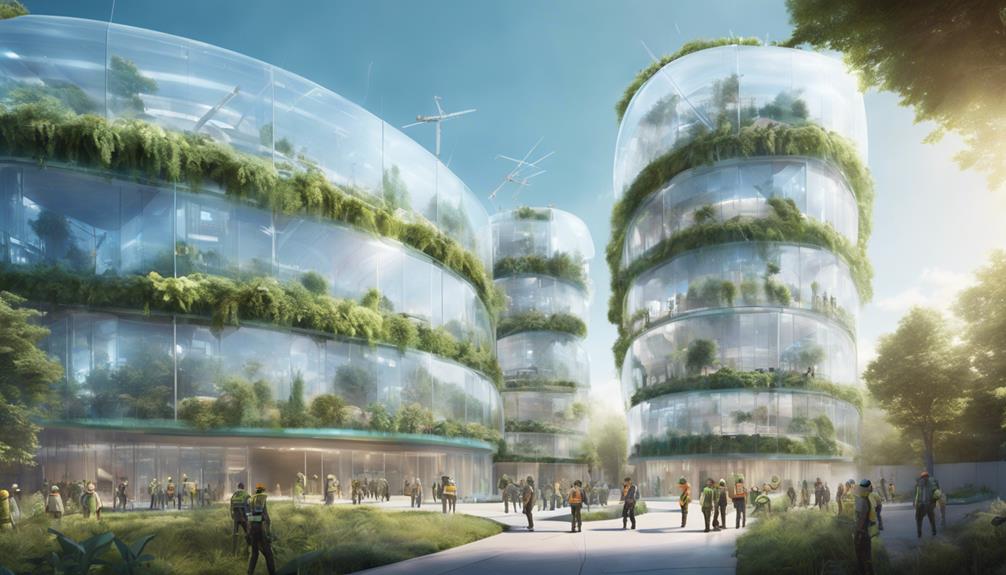
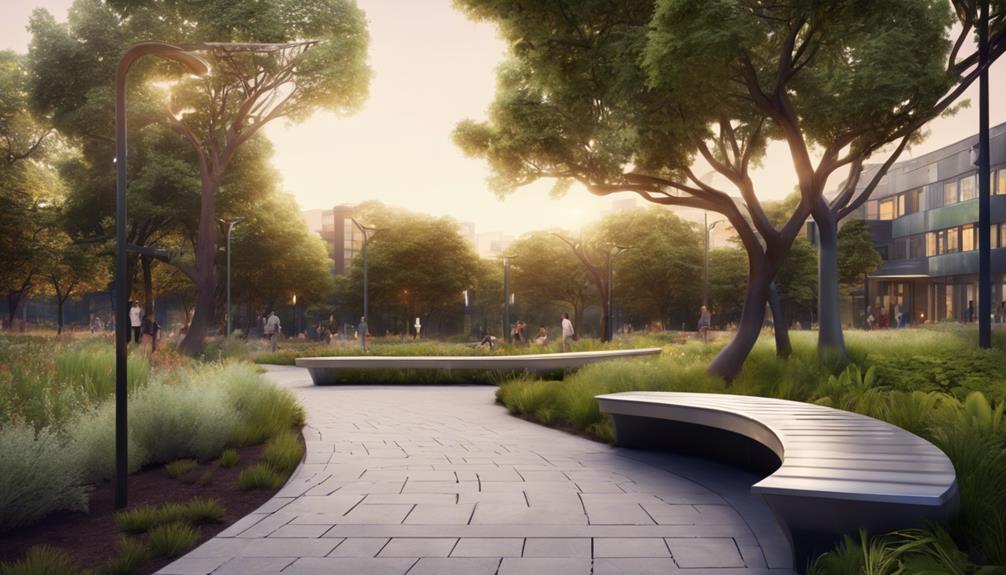
Designing public spaces with sustainability in mind is key to mitigating climate change, conserving natural resources, and promoting social equity. Architects and urban planners prioritize sustainable design principles, including locally sourced materials, water conservation, and green infrastructure. They also implement waste reduction strategies, energy-efficient lighting, and sustainable transportation options. Urban agriculture and community engagement are also vital components. By integrating these elements, public spaces can minimize environmental impact and promote social responsibility. As you explore the intersection of sustainability and public space design, you'll uncover innovative solutions that pave the way for a greener, healthier future.
Sustainable Materials and Construction
When designing public spaces with sustainability in mind, architects and builders are increasingly opting for eco-friendly materials and construction methods that minimize environmental impact while promoting a healthier environment for users. This shift towards sustainability is driven by the need to reduce the significant carbon footprint of the built environment. One key aspect of sustainable construction is material sourcing. Architects and builders are now prioritizing materials that are locally sourced, recycled, or sustainably harvested. This approach reduces the carbon emissions associated with transportation and supports local economies.
Supply chain transparency is also critical in ensuring that materials are sourced responsibly. By tracing the origin and movement of materials, architects and builders can identify areas of improvement and make informed decisions about their suppliers. This level of transparency also enables them to avoid materials linked to deforestation, habitat destruction, or exploitative labor practices. Additionally, it allows them to promote fair labor practices and support communities that rely on sustainable forestry and mining. By adopting sustainable materials and construction methods, architects and builders can create public spaces that not only minimize environmental impact but also promote social responsibility and community engagement. As the demand for sustainable public spaces continues to grow, innovative architects and builders are leading the way in creating healthier, more environmentally conscious environments for generations to come.
Water Conservation Strategies
When designing public spaces with sustainability in mind, incorporating water conservation strategies is essential. This involves implementing rainwater harvesting systems that collect and store rainwater for non-potable uses, reducing the demand on municipal water supplies. Efficient irrigation methods, such as drip irrigation and smart controllers, also play a key role in minimizing water waste and conserving this valuable resource.
Rainwater Harvesting Systems
Rainwater harvesting systems offer a proactive approach to water conservation by collecting and storing rainwater for non-potable uses, reducing the demand on municipal water supplies. This innovative strategy not only conserves water but also reduces stormwater runoff, mitigating urban flooding and pollution. A well-designed rainwater harvesting system consists of a roof catchment, conveyance system, and storage tank. The roof catchment is the surface that collects rainwater, typically a building's roof. The conveyance system transports the rainwater to the storage tank, where it's stored for later use.
| Component | Description |
|---|---|
| Roof Catchment | Collects rainwater from rooftops |
| Conveyance System | Transports rainwater to storage tank |
| Storage Tank | Holds collected rainwater for later use |
| Treatment System | Removes contaminants from harvested rainwater |
| Distribution System | Supplies harvested rainwater to non-potable uses |
Efficient Irrigation Methods
Effective irrigation methods play an important role in water conservation strategies, as they help reduce water waste and minimize the environmental impact of landscaping and agricultural practices. By adopting efficient irrigation methods, public spaces can greatly decrease their water consumption, reducing the strain on municipal water supplies and mitigating the risk of drought. One innovative approach is the use of soil sensors, which monitor soil moisture levels and automatically adjust irrigation schedules accordingly. This guarantees that plants receive the exact amount of water they need, eliminating overwatering and reducing runoff. Crop monitoring technologies also play a critical role, enabling real-time monitoring of crop health and water requirements. By integrating these technologies, public spaces can optimize their irrigation systems, reducing water waste and promoting sustainable landscaping practices. Additionally, efficient irrigation methods can help reduce energy consumption, lower maintenance costs, and enhance the overall aesthetic appeal of public spaces. By embracing these innovative strategies, public spaces can become models of sustainability, setting a new standard for environmentally responsible design.
Green Infrastructure Integration
In integrating green infrastructure into public spaces, designers can effectively manage stormwater runoff through innovative systems that reduce the burden on urban drainage networks. Additionally, they can mitigate the urban heat island effect, which is critical in combating the negative impacts of climate change. By incorporating these strategies, cities can create more resilient and sustainable environments for their residents.
Stormwater Management Systems
By incorporating green infrastructure into urban planning, cities can harness the natural water cycle to mitigate stormwater runoff and reduce the burden on municipal drainage systems. This approach not only improves flood resilience but also enhances water quality by filtering out pollutants and sediment. Green infrastructure, such as green roofs, rain gardens, and permeable pavements, can capture and filter rainwater, reducing the amount of stormwater that enters drainage systems.
| Benefits | Green Infrastructure | Conventional Systems |
|---|---|---|
| Flood Resilience | 90% reduction in runoff | 30% reduction in runoff |
| Water Quality | 80% reduction in pollutants | 20% reduction in pollutants |
| Maintenance Costs | 50% reduction in costs | 20% reduction in costs |
| Aesthetic Value | Enhanced urban landscaping | Limited aesthetic appeal |
| Community Engagement | Increased community involvement | Limited community involvement |
Urban Heat Island Mitigation
As urban populations continue to swell, cities are turning to green infrastructure integration to mitigate the urban heat island effect, which can increase local temperatures by as much as 10°F (5.6°C) compared to surrounding rural areas. This phenomenon not only affects air quality and energy consumption but also has significant implications for public health. To combat this, urban planners are incorporating innovative strategies into their designs.
Some of the most effective approaches include:
- Tree Planting Strategies: Strategically planting trees in urban areas can provide shade, reduce air temperature, and improve air quality.
- Implementing Cool Pavement Technologies: Using lighter-colored pavement materials can reduce the amount of heat absorbed, thereby reducing the urban heat island effect.
- Green roofs and walls: Integrating vegetation into building design can provide insulation, reduce energy consumption, and create habitats for wildlife.
- Urban forestry initiatives: Planting and maintaining urban forests can help mitigate the urban heat island effect while also providing recreational spaces for citizens.
- Smart urban planning: Designing cities with green spaces, parks, and gardens can help reduce the urban heat island effect while improving overall quality of life.
Waste Reduction and Management
Effective waste reduction and management strategies involve implementing recycling programs, composting facilities, and minimizing single-use plastics in public spaces to reduce waste disposal costs and environmental impacts. By adopting a vital approach, cities can minimize the amount of waste sent to landfills, reduce greenhouse gas emissions, and create more sustainable public spaces.
Conducting regular waste audits is an essential step in identifying areas for improvement. This involves evaluating the types and quantities of waste generated in public spaces, identifying opportunities for reduction, and developing strategies to minimize waste. Additionally, implementing recycling incentives can encourage the public to participate in waste reduction efforts. This can include initiatives such as pay-as-you-throw systems, where residents are charged based on the amount of waste they generate, or deposit-refund schemes for recyclable materials.
Energy Efficiency in Lighting
Cities can further reduce their environmental footprint by implementing energy-efficient lighting strategies in public spaces. By adopting innovative lighting solutions, cities can minimize their energy consumption, reduce greenhouse gas emissions, and create more sustainable public spaces.
To achieve energy efficiency in lighting, cities can consider the following strategies:
- Luminaire Design: Using LED luminaires with high lumen-per-watt ratios can greatly reduce energy consumption. These luminaires can be designed to emit light in specific directions, reducing light pollution and minimizing energy waste.
- Smart Sensors: Installing smart sensors can optimize lighting levels based on natural light availability, pedestrian traffic, and time of day. This technology can decrease energy consumption by up to 50%.
- Energy-Harvesting Technologies: Integrating energy-harvesting technologies, such as solar panels or wind turbines, can power lighting systems, reducing dependence on non-renewable energy sources.
- Lighting Controls: Implementing advanced lighting controls, such as timers, dimmers, and occupancy sensors, can optimize lighting levels and reduce energy waste.
- Renewable Energy Sources: Using renewable energy sources, such as solar or wind power, to power lighting systems can minimize reliance on fossil fuels and reduce carbon emissions.
Sustainable Transportation Options
Approximately 25% of urban carbon emissions come from transportation, making sustainable transportation options a critical component of designing environmentally friendly public spaces. As cities continue to grow and evolve, it's essential to rethink the way people move around urban areas. One innovative solution is the integration of electric bicycles into public transportation systems. Not only do they reduce carbon emissions, but they also provide an efficient and cost-effective way to navigate short distances. Cities can incentivize the use of electric bicycles by installing dedicated bike lanes, bike-sharing systems, and secure parking facilities.
Another sustainable transportation option is car sharing. By providing access to a fleet of eco-friendly vehicles, car-sharing programs reduce the number of privately owned cars on the road, decreasing congestion and emissions. This approach also encourages a shift towards more sustainable modes of transportation, such as walking, cycling, or using public transport. Additionally, car-sharing programs can be designed to incorporate electric or hybrid vehicles, further reducing their environmental impact. By incorporating these sustainable transportation options, cities can create a more livable, environmentally friendly, and innovative public space that benefits both citizens and the environment.
Urban Agriculture and Food Systems
As the global population becomes increasingly urbanized, innovative urban agriculture and food systems are emerging as an essential component of sustainable public spaces, providing a local and resilient food supply while mitigating the environmental impact of industrial agriculture. These systems not only provide fresh produce to urban residents but also help reduce carbon emissions, promote biodiversity, and foster community engagement.
Some innovative approaches to urban agriculture and food systems include:
- Vertical Farming: integrating vertically stacked farming systems into urban landscapes, maximizing space while minimizing environmental impact
- Community Kitchens: shared cooking facilities that promote social cohesion, culinary innovation, and food waste reduction
- Roof-top Gardens: transforming urban rooftops into productive agricultural spaces, providing insulation, and reducing stormwater runoff
- Urban Orchards: planting fruit trees in public spaces, enhancing aesthetics, and providing fresh fruit to local communities
- Aquaponics: closed-loop systems combining hydroponics and aquaculture, minimizing water usage and generating nutrient-rich produce
Community Engagement and Education
Effective community engagement and education strategies are critical to the long-term success of sustainable public spaces, empowering local residents to take ownership of urban agriculture and food systems. By involving citizens in the design and decision-making process, public spaces can better reflect the needs and values of the community. This can be achieved through public outreach initiatives, such as community workshops, surveys, and public meetings. These efforts foster citizen participation, ensuring that the needs and concerns of local residents are addressed.
Education is also an essential component of community engagement. Educational programs can teach residents about sustainable practices, such as composting, rainwater harvesting, and organic gardening. This knowledge enables citizens to make informed decisions about their daily lives, contributing to a more sustainable future. Additionally, educational initiatives can promote intergenerational learning, where children and adults learn together, fostering a sense of community and shared responsibility.
Innovative public spaces can serve as outdoor classrooms, providing hands-on learning opportunities for residents. For instance, community gardens can become hubs for environmental education, teaching residents about sustainable agriculture practices. By integrating education and community engagement, public spaces can become catalysts for positive change, driving sustainable development and community empowerment.
Monitoring and Evaluating Success
By tracking key performance indicators and gathering feedback from community members, cities can assess the impact of their sustainable public spaces and make data-driven decisions to improve their effectiveness. This monitoring and evaluation process is essential in guaranteeing that these spaces meet their intended goals and continue to benefit the environment and the community.
To effectively monitor and evaluate success, cities can focus on the following key aspects:
- Performance Metrics: Establishing clear and measurable performance metrics allows cities to track progress and identify areas for improvement. This includes metrics such as energy savings, water conservation, and waste reduction.
- Data Analysis: Regular data analysis helps cities to identify trends and patterns, making it possible to adjust strategies and optimize results.
- Community Feedback: Gathering feedback from community members provides valuable insights into the effectiveness of sustainable public spaces and helps identify areas for improvement.
- Benchmarking: Comparing performance metrics with industry benchmarks and best practices enables cities to identify opportunities for improvement and stay ahead of the curve.
- Continuous Improvement: Embracing a culture of continuous improvement ensures that cities remain adaptable and responsive to changing community needs and environmental challenges.
Frequently Asked Questions
How Do You Balance Aesthetics With Sustainability in Public Space Design?
She balances aesthetics with sustainability in public space design by prioritizing eco-friendly material choices that minimize environmental impact. Community engagement is crucial, as it guarantees that the design resonates with the community's needs and values. By integrating sustainable materials and engaging with the community, she creates spaces that are both visually stunning and environmentally responsible, setting a new standard for innovative public space design.
Are There Any Government Incentives for Sustainable Public Space Projects?
Like a master chef seasoning a dish, governments sprinkle incentives to flavor sustainable public space projects. Green Funding initiatives and Tax Breaks are the secret ingredients that make eco-friendly projects more appetizing to developers. These sweeteners can greatly reduce costs, making sustainable design more accessible. They're the icing on the cake, encouraging innovators to push the boundaries of sustainable design and create spaces that not only impress but also protect the planet.
Can Public Art Installations Promote Sustainability Awareness and Education?
She believes public art installations can effectively promote sustainability awareness and education. By incorporating community engagement and artistic expression, these installations can spark meaningful conversations about environmental issues. Interactive and immersive experiences can engage citizens, inspiring behavioral changes and fostering a sense of responsibility. Through creative storytelling, public art installations can raise awareness about sustainability, encouraging individuals to take action and make a positive impact on their community.
What Role Do Public Spaces Play in Mitigating Urban Heat Island Effect?
She notes that public spaces play an essential role in mitigating the urban heat island effect. By conducting heat mapping, cities can identify areas that require intervention. Urban forestry initiatives, such as planting trees and green roofs, can then be strategically implemented to reduce temperatures. These efforts not only provide shade but also absorb carbon dioxide, improving air quality. By prioritizing green infrastructure, cities can create cooler, healthier environments for citizens.
How Can Public Spaces Be Designed to Accommodate Climate Change Projections?
As climate change intensifies, designers must rethink public spaces to accommodate projected changes. They can create resilient landscapes by incorporating adaptive design principles. This involves using materials and vegetation that can withstand extreme weather conditions, such as drought-resistant plants and permeable pavements. By doing so, public spaces can not only mitigate the urban heat island effect but also provide a safe haven for communities during climate-related disasters. Additionally, incorporating design principles for climate resilience can enhance the functionality and aesthetic appeal of these spaces. For example, integrating green roofs and urban forests can improve air quality while offering shade and recreational opportunities. By fostering community engagement in the design process, these public spaces can become vital social hubs that promote environmental awareness and collective action against climate change.