
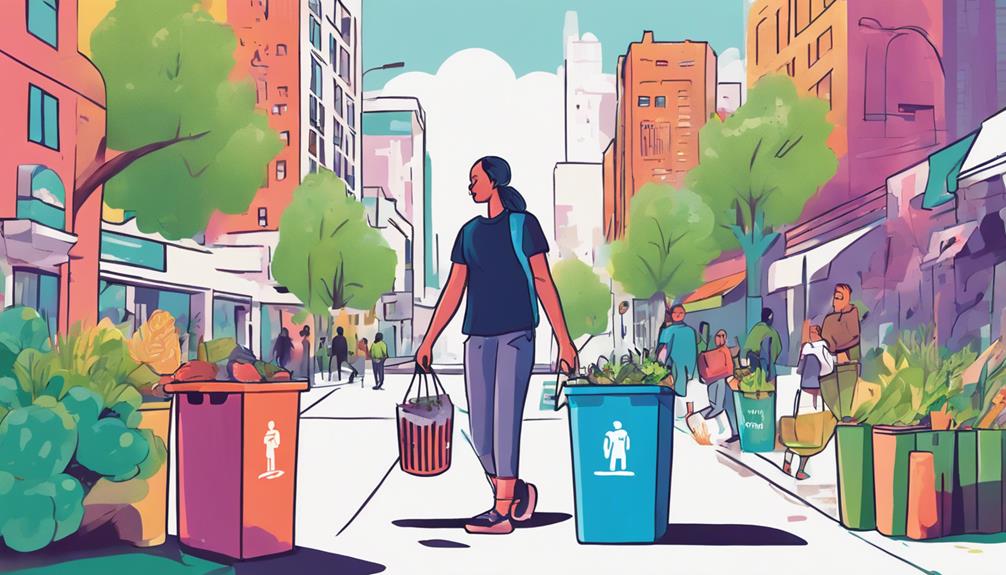
Companies are revolutionizing the way we live and consume by developing innovative solutions to reduce single-use plastics. Edible utensils, made from natural ingredients, offer a sustainable substitute to traditional plasticware. Biodegradable packaging solutions and reusable products like stainless steel water bottles and cloth bags also contribute to a plastic-free lifestyle. Additionally, researchers are developing novel materials like mushroom-based packaging and seaweed-derived textiles. Meanwhile, closed-loop production systems recycle and reuse materials to minimize waste. As innovators continue to push boundaries, the possibilities for a plastic-free future seem endless – and the most exciting developments are yet to come.
Edible Alternatives to Plastic Utensils
Innovative companies are now crafting edible utensils from food ingredients, offering a sustainable substitute to traditional plasticware. This pioneering approach tackles the pressing issue of single-use plastics, which pollute our environment and harm wildlife. Food cutlery, made from natural ingredients like cornstarch, sugarcane, or potato starch, provides a guilt-free alternative to traditional plastic utensils. These edible wonders are biodegradable, compostable, and even edible, reducing waste and the carbon footprint associated with traditional plastic production.
Seaweed spoons, crafted from seaweed extracts, are another game-changer in the edible utensils market. Rich in nutrients and flavor, these spoons can be seasoned to enhance the dining experience. Additionally, they're fully compostable, leaving no residue or harm to the environment. This innovative solution has far-reaching implications, particularly in the foodservice industry, where plastic utensils are commonly used.
Edible utensils are not only eco-friendly but also offer a unique culinary experience. Imagine savoring a delicious meal with a spoon that's not only sustainable but also edible and flavorful. As consumers increasingly demand sustainable alternatives, edible utensils are poised to revolutionize the way we dine. With continued innovation, we can expect to see more creative, sustainable solutions that redefine the future of food cutlery.
Biodegradable Packaging Solutions
Around 95% of plastic packaging material is thrown away after a single use, which is why companies are now developing biodegradable packaging solutions that can dramatically reduce plastic waste. These innovative solutions are designed to replace traditional plastic packaging with sustainable alternatives that can easily decompose. One such solution is the use of moldable biomass, a plant-based material that can be molded into various shapes and forms to create packaging materials. This material is not only biodegradable but also compostable, making it an ideal replacement for traditional plastic packaging.
Another approach is the use of compostable coatings that can be applied to packaging materials, making them biodegradable and compostable. These coatings are made from natural materials such as plant-based polymers, which break down easily and can be converted into nutrient-rich compost. This technology has the potential to replace traditional plastic packaging materials used in food packaging, reducing the amount of plastic waste that ends up in landfills and oceans.
Biodegradable packaging solutions offer a promising solution to the plastic waste crisis. By using sustainable materials and innovative technologies, companies can reduce their environmental footprint and provide consumers with eco-friendly packaging options. As consumers become more environmentally conscious, the demand for sustainable packaging is expected to grow, driving innovation and adoption of biodegradable packaging solutions.
Reusable Products for Daily Life
Companies are now designing reusable products for daily life, such as stainless steel water bottles and cloth bags, to replace single-use plastics in consumers' daily routines. These innovative products are not only eco-friendly but also stylish and functional. For instance, reusable Beach Totes have become a popular alternative to single-use plastic bags for grocery shopping or carrying beach essentials. Made from durable materials, these totes are sturdy, washable, and can be used multiple times.
Similarly, Gym Bags made from recycled plastic or sustainable materials are replacing traditional single-use plastic bags for carrying gym gear. These bags are designed with functionality in mind, featuring multiple compartments and pockets to keep belongings organized. Additionally, reusable stainless steel water bottles have become a staple in many people's daily lives, reducing the need for single-use plastic water bottles.
These reusable products are designed to make a significant impact on reducing single-use plastics in daily life. By incorporating them into daily routines, consumers can markedly reduce their plastic waste. As consumers become more environmentally conscious, the demand for reusable products is on the rise. Companies are responding by designing innovative, functional, and stylish products that not only benefit the environment but also enhance daily life. Moreover, the shift towards reusable products plays a crucial role in combating ocean plastic pollution effects, as each piece of plastic avoided reduces the chance of it ending up in our waterways. Educating consumers about the importance of these alternatives can further amplify their impact, leading to more sustainable practices across communities. As awareness grows, the collaboration between individuals, companies, and policymakers can foster a greener future for generations to come.
Innovative Materials for Sustainable Living
Researchers are developing novel materials that mimic nature's own sustainable solutions, such as mushroom-based packaging and seaweed-derived textiles, to replace traditional plastics. These innovative materials are transforming the way we live sustainably. For instance, mushroom-based insulation is becoming a popular alternative to traditional foam insulation. This eco-friendly option is not only sustainable but also provides better thermal performance. Mycelium, the vegetative part of a mushroom, is used to create a natural, fire-resistant, and compostable material. This innovation has the potential to revolutionize the construction industry, reducing waste and carbon emissions.
Another area of focus is seaweed-derived fabrics, which are being used to create sustainable textiles. Seaweed fabrics are durable, breathable, and require minimal water and energy to produce. They also have natural antibacterial properties, making them ideal for clothing and upholstery. Seaweed fabrics are poised to disrupt the fashion industry, providing a sustainable alternative to synthetic materials. Additionally, researchers are exploring the use of seaweed in bioplastics, which could replace traditional plastics in packaging and other applications. These innovative materials are vital steps towards reducing our reliance on single-use plastics and creating a more sustainable future. As these technologies continue to evolve, we can expect to see widespread adoption and a significant reduction in plastic waste.
Closed-Loop Production Systems
By rethinking traditional manufacturing processes, innovators are pioneering closed-loop production systems that recycle and reuse materials, effectively minimizing waste and the constant demand for virgin resources. This revolutionary approach is transforming the way we think about supply chains, waste reduction, and sustainability. In a closed-loop system, materials are constantly cycled back into production, eliminating the need for new raw materials and greatly reducing waste.
Companies like H&M and Patagonia are already embracing this model, designing products with recyclability in mind and encouraging customers to return used items. These returns are then refurbished, recycled, or upcycled into new products, reducing the need for virgin materials and minimizing waste. This closed-loop approach not only reduces waste but also helps to conserve natural resources, decrease greenhouse gas emissions, and promote sustainable consumption.
Frequently Asked Questions
How Do Governments Enforce Single-Use Plastic Bans Effectively?
Governments can effectively enforce single-use plastic bans by implementing strict regulations and policy frameworks. They must also raise public awareness through education campaigns, emphasizing the importance of reducing plastic waste. Additionally, offering economic incentives for eco-friendly alternatives can encourage compliance. Community engagement is key, fostering a sense of responsibility among citizens. By adopting a multi-faceted approach, governments can guarantee a successful shift to a plastic-free future.
Can Bioplastics Replace Traditional Plastics Entirely?
She wonders if bioplastics can entirely replace traditional plastics. While bioplastics offer a promising alternative, they're not without limitations. They require large land areas for crop cultivation, which can lead to deforestation and biodiversity loss. Additionally, bioplastics often rely on food crops, diverting resources from the food supply. Despite these challenges, researchers are exploring innovative plastic alternatives. They're developing bioplastics from non-food biomass, like agricultural waste, paving the way for a more sustainable future.
Are Compostable Plastics Suitable for Home Composting?
She explores whether compostable plastics are suitable for home composting. It's important to take into account the role of microorganisms, which break down organic matter. When composting at home, it's essential to balance 'green' materials like food waste with 'brown' materials rich in carbon. Compostable plastics, designed to degrade, can aid soil health by replenishing nutrients and supporting the carbon cycle. However, it's essential to make sure these plastics meet specific standards for home composting, facilitating a harmonious coexistence with microorganisms.
What Is the Carbon Footprint of Recycling Plastic Waste?
It's ironic that we're still debating the carbon footprint of recycling plastic waste, considering we're drowning in a sea of plastic trash. She calculates that recycling plastic waste generates a significant carbon footprint, mainly due to the energy required for collection and processing. However, it's still a more important energy-efficient option than producing new plastics. Effective waste management is essential, and investing in energy-efficient recycling facilities can greatly reduce emissions, making recycling an important step towards a more sustainable future.
Do Reusable Products Really Reduce Overall Plastic Consumption?
She examines whether reusable products truly reduce overall plastic consumption. While reusables seem like a sustainable solution, they often rely on resource-intensive production processes. Consumer behavior also plays a significant role, as frequent washing and replacement of reusable products can negate their environmental benefits. Instead, plastic alternatives made from biodegradable materials or recycled plastics could be a more effective way to reduce plastic waste.