Ocean plastics pose a significant threat to the planet, with 8 million tons of waste entering the oceans annually. This crisis has devastating effects on marine life, with millions of animals suffering from entanglement, suffocation, and ingestion of plastic debris. Human health is also impacted, with microplastics linked to inflammation, cancer, and other health problems. However, innovative solutions are emerging, including biodegradable materials, ocean-friendly infrastructure, and ocean cleanup initiatives. Community-led cleanup efforts are also making a difference, empowering local residents to take action. As the crisis continues to unfold, stay tuned to explore the depth of the issue and the creative cleanup efforts underway.
Plastic Waste: A Growing Epidemic
Flooding the world's oceans at an alarming rate, plastic waste has evolved into a catastrophic epidemic, threatening the very fabric of our planet's ecosystem. The consequences of inaction are dire, and it's imperative that we take immediate action to mitigate this crisis. One pivotal step in the right direction is the implementation of Microbeads legislation, banning the use of these tiny plastic particles in personal care products. This move will greatly reduce the amount of microplastics entering our oceans.
Another critical solution lies in the development of innovative, sustainable plastic packaging alternatives. Companies are now exploring biodegradable materials, such as seaweed-based packaging, to replace traditional plastic packaging. These eco-friendly alternatives not only decrease plastic waste but also provide a lucrative business opportunity for entrepreneurs and startups.
Governments and corporations must work in tandem to drive meaningful change. By investing in research and development, we can access groundbreaking technologies that convert plastic waste into valuable resources. Additionally, policymakers must enact and enforce stringent regulations to hold companies accountable for their plastic waste output.
As the world grapples with the plastic epidemic, it's essential to adopt a multifaceted approach that combines legislation, innovation, and individual action. By working together, we can create a future where plastic waste is a relic of the past, and our oceans thrive once more.
Devastating Effects on Marine Life
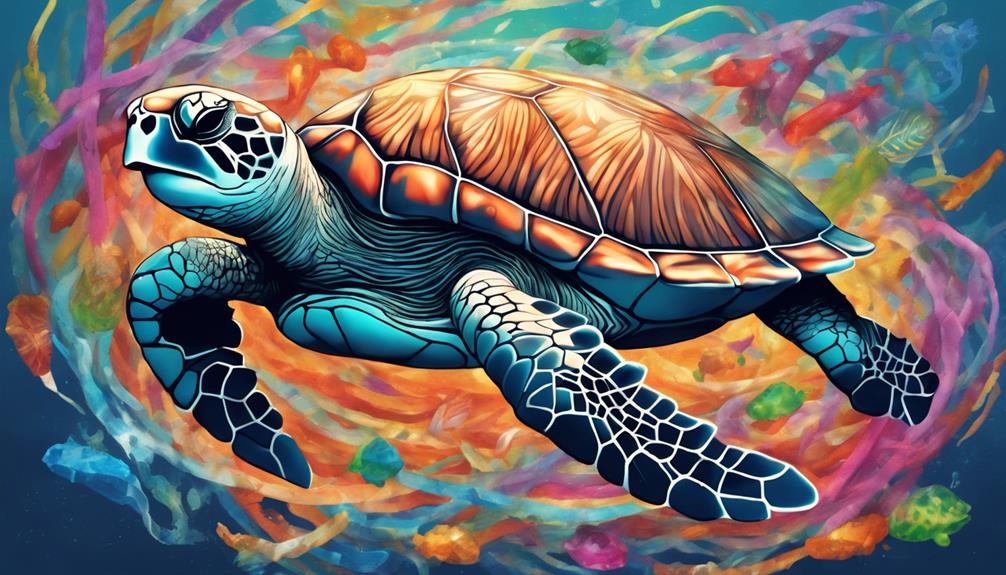
As plastic waste chokes our oceans, marine life is paying the ultimate price, with millions of animals succumbing to entanglement, suffocation, and ingestion of plastic debris every year. The devastating effects on marine life are far-reaching, with entire ecosystems being disrupted by the influx of plastic waste. Sea turtles, in particular, are vulnerable to plastic pollution, with many mistaking plastic bags and other debris for food. This can lead to blockages, nutrient deficiencies, and even death.
Coral reefs, often referred to as the 'rainforests of the sea,' are also under threat. Plastic debris can damage or destroy these delicate ecosystems, which are essential for the survival of countless marine species. Additionally, microplastics, which are consumed by small marine animals, can work their way up the food chain, potentially harming humans who consume seafood.
The impact of ocean plastics on marine life is undeniable, and the consequences are dire. It's essential that we take immediate action to reduce plastic waste and develop innovative solutions to clean up our oceans. By working together, we can mitigate the devastating effects of plastic pollution and protect the incredible diversity of marine life that call our oceans home.
Human Health Implications Uncovered
Researchers have recently uncovered alarming evidence that the plastic pollution in our oceans is not only harming marine life, but also having a profound impact on human health. The ingestion of microplastics, which are consumed by fish and other seafood, has been linked to a range of health problems in humans. Microplastic exposure has been shown to cause inflammation, oxidative stress, and even cancer. When we eat seafood contaminated with microplastics, we're ingesting toxic chemicals like PCBs, DDT, and PBDEs, which can accumulate in our bodies and cause long-term damage.
The toxic ingestion of microplastics is particularly concerning for vulnerable populations, such as pregnant women and young children. Exposure to these toxins has been linked to developmental delays, cognitive impairment, and even birth defects. Moreover, the impact of microplastic exposure on human health is not limited to ingestion. Inhalation of microplastic particles has been linked to respiratory problems, and skin contact with microplastics has been shown to cause skin irritation and allergic reactions.
The alarming reality is that humans are unknowingly consuming microplastics through the food chain, and the long-term consequences of this exposure are still unknown. As the world grapples with the crisis of ocean plastics, it's essential to prioritize research into the human health implications of microplastic exposure and to develop innovative solutions to mitigate this growing threat.
Innovative Solutions in Action
In response to the alarming health implications of ocean plastics, innovators are developing cutting-edge solutions to tackle the problem at its source. One area of focus is the development of biodegradable materials that can replace traditional plastics in packaging and other applications. Companies are creating novel bioplastics that can break down naturally in the environment, reducing the likelihood of plastic waste entering oceans in the first place.
Another area of innovation is in ocean-friendly infrastructure. Cities and coastal communities are investing in advanced waste management systems that can effectively capture and process plastic waste, preventing it from entering the ocean. For example, some cities are implementing "trash wheels" that use currents and tides to collect debris, while others are building artificial reefs that can trap plastic waste.
Researchers are also exploring new technologies to remove existing plastic waste from the ocean. Ocean Cleanup, a non-profit organization, has developed a system of interconnected barriers that can collect plastic debris in the Great Pacific Garbage Patch. Similarly, researchers are testing underwater drones that can identify and collect plastic waste on the seafloor.
These innovative solutions are critical to addressing the ocean plastics crisis. By developing and deploying these cutting-edge technologies, we can reduce plastic waste, protect marine ecosystems, and promote a healthier planet.
Community-Led Cleanup Initiatives
Coastal communities worldwide are spearheading grassroots cleanup initiatives, tackling plastic pollution at its source and empowering locals to become ocean stewards. These community-led efforts are vital in the fight against ocean plastics, as they engage local residents in the cleanup process and foster a sense of ownership and responsibility. One successful model is the Beach Adopters program, which pairs local volunteers with specific beach areas to clean and maintain. This approach not only keeps coastlines clean but also educates and raises awareness about the impact of plastic waste.
Volunteer empowerment is a key component of these initiatives, as it enables individuals to take action and make a tangible difference. By providing training, resources, and support, community-led initiatives can mobilize a large number of volunteers, amplifying their impact. Moreover, these efforts can serve as a catalyst for broader community engagement, inspiring individuals to adopt sustainable practices and promote behavioral change.
Through community-led cleanup initiatives, we can create a ripple effect of positive change, inspiring a new wave of ocean stewards to take action. By empowering local communities to take ownership of their coastlines, we can effectively combat ocean plastics and promote a cleaner, healthier ocean for future generations. As the impact of ocean plastics continues to grow, it is imperative that we support and amplify these grassroots initiatives, driving innovation and collaboration in the fight against plastic pollution. Moreover, fostering collaboration among diverse stakeholders, including schools, businesses, and local governments, can lead to the development of creative strategies for environmental advocacy that resonate with the community. These strategies can range from educational programs and interactive workshops to local art installations that raise awareness about the importance of reducing plastic waste. By showcasing successful cleanup efforts and sharing stories of transformation, we can motivate more individuals to join the movement and become active participants in preserving our oceans.
Frequently Asked Questions
Can Plastic Waste Be Fully Eliminated From the Ocean?
She believes that fully eliminating plastic waste from the ocean is a challenging task, but not impossible. With innovative technologies and collective efforts, significant progress can be made. Ocean restoration initiatives and marine recovery programs can help mitigate the damage. It's essential to develop sustainable solutions that prevent further pollution and promote eco-friendly practices. By working together, it's possible to create a future where the ocean is plastic-free, and marine life can thrive once more.
Are Biodegradable Plastics a Viable Solution to Ocean Pollution?
She explores the viability of biodegradable plastics as a solution to ocean pollution. While they seem like a promising alternative, she notes that they're not a silver bullet. Biodegradable alternatives, made from sustainable materials, can still harm marine life if not properly decomposed. Additionally, their production process can have environmental drawbacks. She advocates for continued innovation in sustainable materials to create truly eco-friendly solutions that can effectively combat ocean pollution.
How Do Microplastics Affect the Human Food Chain?
Some might think microplastics are too small to harm humans, but that's far from the truth. Microplastics, consumed through seafood, can lead to human exposure, causing toxic accumulation in our bodies. As microplastics break down, they release harmful chemicals, which are then absorbed into our bloodstream, potentially causing cancer and reproductive issues. It's time to rethink our plastic habits before it's too late and our health suffers the consequences.
Can Individuals Make a Significant Impact in Reducing Ocean Plastics?
She firmly believes individuals can make a substantial impact in reducing ocean plastics. By adopting personal habits like carrying reusable bags and water bottles, one can greatly decrease plastic waste. Additionally, community engagement is key – organizing local cleanups and promoting eco-friendly practices can inspire others to join the cause. By working together, individuals can collectively create a ripple effect, driving meaningful change in the fight against ocean plastics.
Are There Any Laws Regulating Plastic Production and Disposal Globally?
She explores the current state of global governance regarding plastic production and disposal. While there aren't any universally binding laws, international agreements like the Basel Convention and the Paris Agreement provide frameworks for regulating plastic waste. However, it's essential to establish stronger industry accountability and harmonized global standards. By doing so, governments and industries can work together to mitigate the plastic pollution crisis, driving innovation towards a more sustainable future.