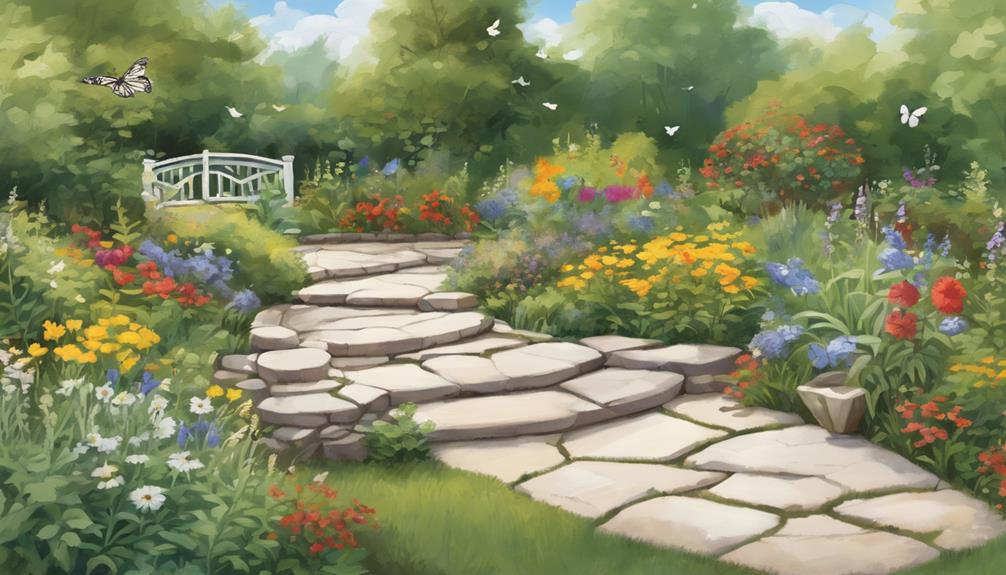
By evaluating their outdoor spaces into thriving ecosystems, homeowners can provide an essential sanctuary for local wildlife, supporting biodiversity and bringing nature closer to home. To create a wildlife-friendly backyard, they start by appraising their yard's potential, examining topography, soil composition, and existing vegetation. They then plant native species, create water sources, and provide shelter and habitat for various wildlife species. By adopting natural pest management strategies and maintaining their habitat with regular pruning and watering, they can attract and support a diverse range of local species. And, as they tune in to the rhythms of nature, they'll discover even more ways to nurture their wildlife haven.
Assessing Your Yard's Potential
By taking stock of the unique characteristics of their outdoor space, homeowners can identify opportunities to create a haven for local wildlife. This process begins with a thorough property analysis, which involves examining the yard's topography, soil composition, sunlight patterns, and existing vegetation. By conducting a yard mapping exercise, homeowners can visualize their outdoor space and pinpoint areas that can be optimized for wildlife habitation.
A detailed property analysis will reveal the yard's strengths and weaknesses, such as areas with poor drainage or those that receive excessive sunlight. This information can be used to inform decisions about plant selection, water feature installation, and habitat creation. For instance, a yard with a natural slope can be designed to incorporate a rain garden, which will attract beneficial insects and provide a natural filtration system.
Planting for Pollinators and Wildlife
With their yard's unique characteristics in mind, homeowners can now focus on selecting plants that will attract and support local pollinators and wildlife. By choosing plants that are native to the area, homeowners can create a haven for bees, butterflies, and other pollinators. This not only supports the local ecosystem but also adds beauty and diversity to the yard.
To create a pollinator-friendly yard, consider the following:
- Plant a variety of flowers that bloom at different times to provide a constant source of nectar and pollen for pollinators.
- Incorporate native plants that are rich in nectar, such as coneflowers, black-eyed susans, and lavender.
- Create a butterfly garden by planting flowers that cater to the specific needs of local butterfly species, such as milkweed for monarchs.
- Provide a bee hotel or other habitat for solitary bees and other beneficial insects.
Providing Water Sources
When it comes to providing water sources, it's essential to create a welcoming space for wildlife to quench their thirst and cool off. A well-designed water feature can be a game-changer for attracting a diverse range of species to your backyard. By incorporating birdbaths, ponds, or other water sources, homeowners can create a haven for local wildlife, and with proper maintenance, these features can thrive for years to come.
Birdbath Maintenance Tips
How often do you clean and refill your birdbath to make sure it remains a healthy and inviting spot for your feathered friends? Regular maintenance is important to guarantee the water quality and bath safety for your bird visitors.
To maintain a healthy birdbath, follow these tips:
- Establish a cleaning schedule to remove debris and bacteria that can harm birds
- Change the water completely every 2-3 days to prevent mosquito breeding and maintain water quality
- Add a few rocks or sticks for birds to land on while bathing, promoting bath safety
- Observe bird behavior to make sure your birdbath is meeting the needs of your feathered visitors, making adjustments as needed
Pond Design Ideas
Incorporating a thoughtfully designed pond into your wildlife-friendly backyard can become a thriving hub of aquatic activity, attracting a diverse range of species to your outdoor oasis. A well-designed pond can be a focal point of your backyard, drawing visitors in with its serene ambiance and vibrant aquatic life. Consider incorporating waterfalls features to create a soothing, melodic sound that will entice wildlife and humans alike. For a more subtle approach, pondless options can provide a unique, low-maintenance alternative. These designs often feature a hidden reservoir and a decorative spillway, creating a sense of movement and sound without the need for a large body of water. When designing your pond, don't forget to incorporate natural edges, blending the water's edge seamlessly into the surrounding landscape. This will create a sense of harmony, allowing wildlife to move freely between the pond and its surroundings. By incorporating these innovative design elements, you'll be well on your way to creating a thriving, wildlife-friendly backyard oasis.
Creating Shelter and Habitat
When creating a wildlife-friendly backyard, shelter and habitat are essential components to take into account. By incorporating native plant species and wildlife-friendly structures, homeowners can provide a welcoming environment for local wildlife. These elements work together to create a thriving ecosystem that supports the local biodiversity. In addition to native plants and shelters, providing water sources such as birdbaths or small ponds can further enhance the appeal of your backyard to various species. Furthermore, by practicing sustainable gardening techniques, homeowners can minimize pesticide use, allowing for a healthier environment that benefits both plants and animals alike. Ultimately, designing landscapes for biodiversity not only enhances the beauty of your garden but also contributes to the preservation of local wildlife and their habitats.
Native Plant Selection
Native plants, carefully chosen for their local origins, provide essential shelter and habitat for wildlife in a backyard oasis. By selecting plants that are native to the region, homeowners can create a welcoming environment for local wildlife. This approach not only supports biodiversity but also reduces the need for fertilizers, pesticides, and excessive watering.
When it comes to native plant selection, it's crucial to take into account factors such as soil preferences and plant profiling. Here are some key aspects to keep in mind:
- Soil preferences: Choose plants that thrive in the local soil type, whether it's clay, sand, or loam.
- Plant profiling: Select plants that provide the right structure and density for shelter and habitat creation.
- Diversity of plant types: Incorporate a mix of trees, shrubs, and perennials to create a diverse and thriving ecosystem.
- Seasonal interest: Select plants that provide year-round interest, such as flowering plants, berries, or winter interest.
Wildlife-Friendly Structures
Three essential elements of a wildlife-friendly backyard – food, water, and shelter – are greatly enhanced by the inclusion of carefully designed structures that provide habitat and refuge for various species. Wildlife-friendly structures can be as simple as rock piles or brush piles, which offer shelter and habitat for small animals, reptiles, and insects. Rock piles, for instance, can provide a warm and cozy spot for reptiles and insects to bask and hide. Brush piles, on the other hand, can serve as a hiding place for small mammals and birds. These structures can be easily created by collecting rocks or branches and arranging them in a strategic location. By incorporating these structures into the backyard, homeowners can create a welcoming haven for local wildlife. Additionally, these structures can also serve as a natural barrier or corridor, allowing species to move freely through the yard. By incorporating wildlife-friendly structures, homeowners can take their backyard to the next level, providing a thriving habitat for local wildlife.
Managing Pests Naturally
By embracing integrated pest management strategies, homeowners can reduce their reliance on chemical pesticides and foster a healthier, more balanced ecosystem in their wildlife-friendly backyard. This approach involves using a combination of techniques to manage pests, rather than relying on a single method. One key strategy is companion planting, where certain plants are paired to deter pests. For example, planting marigolds with tomatoes can help repel nematodes.
Other natural methods include using organic pesticides, such as neem oil, to control pest populations. Crop rotation is another effective technique, as it disrupts the life cycle of pests and reduces the risk of infestation. Additionally, attracting beneficial insects, such as ladybugs and lacewings, can help control pest populations naturally.
Some ways to manage pests naturally include:
- Companion planting to deter pests
- Using organic pesticides, such as neem oil
- Implementing crop rotation to disrupt pest life cycles
- Attracting beneficial insects, such as ladybugs and lacewings, to control pest populations
Maintaining a Wildlife Haven
Her wildlife-friendly backyard, once a haven for local species, demands regular maintenance to guarantee its continued attractiveness to animals. As she tends to her yard, she's not only ensuring its beauty but also preserving the delicate balance of the ecosystem. Regular pruning, watering, and fertilizing are essential to maintain the health and diversity of plants, which in turn support local wildlife.
Wildlife observation is vital in this process, as it allows her to monitor the types of species visiting her yard and adjust her maintenance routine accordingly. By observing the species that frequent her yard, she can identify areas that require improvement, such as habitat restoration. For instance, if she notices a decline in bee populations, she can focus on planting more bee-friendly flowers or creating a bee hotel.
Habitat restoration is an essential aspect of maintaining a wildlife haven. By restoring habitats, she can provide a safe haven for local species to thrive. This might involve removing invasive species, reintroducing native plants, or creating habitats like rock piles or brush piles. By doing so, she can create a thriving ecosystem that supports a diverse range of species. Regular maintenance and observation are key to ensuring her wildlife-friendly backyard remains a haven for local species, providing a unique opportunity for her to contribute to the preservation of biodiversity.
Frequently Asked Questions
Can I Create a Wildlife-Friendly Backyard in a Small Space?
She can create a thriving haven in even the smallest of spaces. By embracing the concept of an urban oasis, she can transform her compact yard into a vertical habitat, where plants and wildlife coexist in harmony. With clever use of wall-mounted planters and tiered gardens, she can maximize space, providing a haven for local wildlife to flourish, proving that even the tiniest of spaces can become a vibrant, thriving ecosystem.
How Do I Prevent Wildlife From Damaging My Garden?
As the delicate dance between nature and nurture unfolds, she must navigate the fine line between welcoming wildlife and protecting her garden. To prevent damage, she explores fence options, from rustic wooden barriers to sleek metal mesh, to keep curious critters at bay. Strategic plant choices, like deer-resistant blooms, also help mitigate the risk of destruction, allowing her to harmoniously coexist with the local fauna.
Do I Need to Have a Pond to Provide a Water Source?
She doesn't necessarily need a pond to provide a water source. While ponds are ideal, there are innovative alternatives. For instance, birdbaths with fresh water can be an attractive option. Alternatively, she can consider rainwater harvesting systems, which collect and store rainwater for wildlife use. These eco-friendly solutions provide a reliable water source without the maintenance of a full-fledged pond.
Can I Use Pesticides if I Still Want to Help Wildlife?
She shouldn't rely on pesticides, even if her goal is to help wildlife. These chemicals harm more than just pests, they contaminate soil and water, and kill beneficial insects. Instead, she should adopt integrated pest management techniques that prioritize organic alternatives. This approach encourages natural balance, reducing the need for chemicals. By choosing eco-friendly solutions, she'll create a safer haven for wildlife and the environment.
Will Having a Wildlife-Friendly Backyard Attract Unwanted Pests?
When designing an outdoor space, people often wonder: will attracting wildlife invite unwanted pests to the party? Generally, a balanced ecosystem is key to pest control. By maintaining a delicate wildlife balance, the likelihood of pests taking over decreases. Introduce native plants, provide shelter, and incorporate natural pest control methods to create harmony. This approach fosters a thriving ecosystem, minimizing the need for harsh chemicals and ensuring a peaceful coexistence with nature.