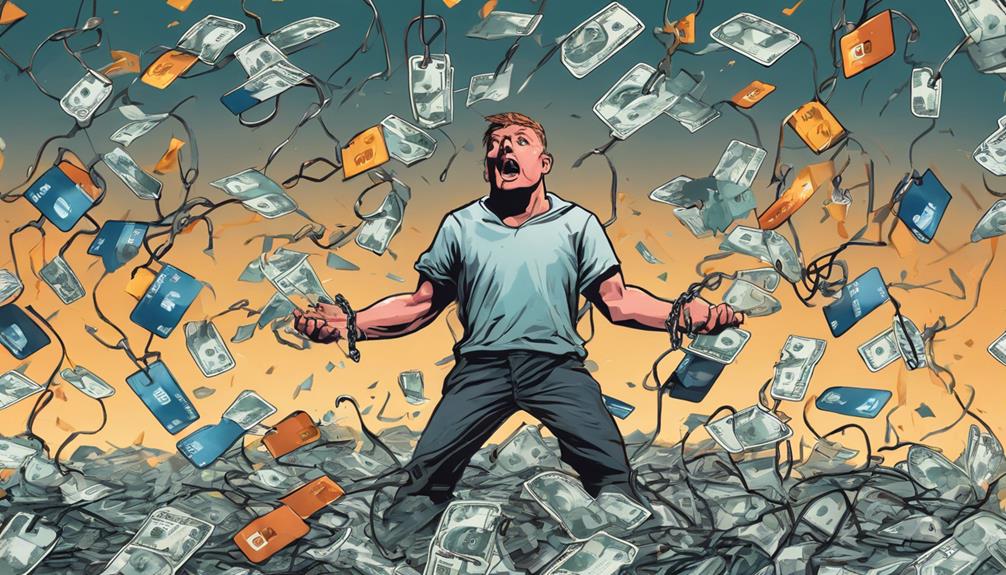
By ditching credit cards and switching to a cash-only lifestyle, you're taking a powerful stand against the cycle of debt and financial stress. You'll break free from the temptation to overspend and prioritize your needs over wants. With cash, you'll visualize your expenses, make intentional decisions, and regain control over your finances. You'll avoid stress, debt, and anxiety, and experience the liberation that comes with financial freedom. As you take the reins of your financial life, you'll discover a newfound confidence and clarity in your spending habits – and that's just the beginning of your journey.
Swapping Plastic for Paper Money
As you start to shift to a cash-only lifestyle, you'll need to break the habit of automatically reaching for your credit cards and start carrying enough cash to cover your daily expenses. This might feel unfamiliar at first, but it's an essential step in taking control of your financial life. The convenience of credit cards and digital wallets has led many to forget the joy of using physical cash. But in a world where cashless societies are becoming the norm, it's important to hold onto the freedom that comes with using paper money.
You'll need to get into the habit of withdrawing cash regularly and allocating it wisely. This will help you stick to your budget and avoid overspending. It might take some time to adjust, but the benefits will be worth it. No longer will you be shackled to the whims of credit card companies and their exorbitant interest rates. You'll be free to make purchases on your own terms, without the burden of debt lurking over your shoulder.
As you make the switch, you'll realize that digital wallets and cashless societies are not as liberating as they seem. They're often designed to keep you trapped in a cycle of debt and consumption. By choosing cash, you're taking a stand against the system and reclaiming your financial autonomy. So, take the first step today, and start swapping plastic for paper money. Your wallet – and your freedom – will thank you.
Benefits of a Cash-Only System
As you switch to a cash-only system, you'll find that it helps you stick to your financial goals and avoid overspending. Using cash forces you to prioritize your purchases and make more intentional decisions about how you're allocating your money. With cash, you'll be more mindful of your spending habits and develop healthier financial habits as a result.
Financial Discipline Enforced
How do you resist the temptation to splurge when you're surrounded by tempting advertisements and peer pressure, constantly urging you to overspend? By adopting a cash-only lifestyle, you're forced to prioritize your spending and stick to your budget. This financial discipline is key to achieving financial freedom.
| Cash-Only Benefits | Credit Card Pitfalls |
|---|---|
| Encourages budget accountability | Fosters overspending and debt |
| Helps you prioritize needs over wants | Tempts you with rewards and perks |
| Brings a sense of financial freedom | Traps you in a cycle of debt |
With a cash-only system, you can't spend what you don't have, so you're more likely to make conscious purchasing decisions. This financial discipline also helps you avoid the stress and anxiety that comes with debt. By taking control of your finances, you'll experience a sense of liberation and confidence in your financial decisions. You'll be more mindful of your spending habits and make choices that align with your financial goals.
Budgeting Made Easier
With a cash-only system, you'll find that budgeting becomes a whole lot simpler, since you're forced to allocate your physical cash into separate categories, making it easier to visualize and manage your expenses. You'll no longer have to worry about overspending or accumulating debt, as you'll be limited to the cash you have on hand. This physical constraint will help you prioritize your spending and make more intentional financial decisions.
As a result, you'll experience simplified finances, with a clearer picture of your income and expenses. You won't need to rely on complex budgeting tools or apps to track your spending, as your cash will serve as a natural budgeting tool. You'll be able to see exactly how much you have available for each category, making it easier to stick to your budget and avoid financial stress. By adopting a cash-only system, you'll gain a newfound sense of control and freedom, liberated from the burdens of credit and debt.
Breaking the Credit Cycle Habit
You've likely found yourself trapped in a vicious cycle of credit card debt, where minimum payments barely cover interest, let alone the principal amount. This never-ending spiral can be overwhelming, and it's time to break free. It's essential to acknowledge that credit card companies don't have your best interests at heart. They thrive on your debt, and it's up to you to take control.
To start, you need to confront the reality of your financial situation. This means facing the harsh truth about your spending habits and the debt that's accumulated. It's time for a financial detox, where you cut ties with credit cards and focus on paying off your debt. This process might be painful, but it's necessary for your financial liberation.
One significant hurdle to overcome is credit amnesia – forgetting the pain of debt and falling back into old habits. To avoid this, you need to create a new mindset, one that prioritizes cash over credit. This means making sacrifices and adjustments to your lifestyle, but the payoff will be worth it. You'll be free from the burden of debt and the stress that comes with it. By breaking the credit cycle habit, you'll regain control over your finances and start building a more secure financial future. It's time to take the first step towards a life free from credit card debt.
Taking Control of Spending Habits
As you take control of your spending habits, you'll need to get clear on where your money's going. That means tracking your daily expenses to see where you can cut back and make adjustments. By setting budget boundaries and avoiding impulse buys, you'll be able to make conscious financial decisions that align with your goals.
Tracking Daily Expenses
Your daily expenses are like puzzle pieces, and tracking them is the key to forming a complete picture of your spending habits. By keeping tabs on every transaction, you'll gain a deeper understanding of where your money is going and identify areas where you can cut back. This is where your Expense Diary comes in – a powerful tool for daily accountability.
| Date | Category | Amount |
|---|---|---|
| 2023-02-15 | Coffee | $5.00 |
| 2023-02-16 | Groceries | $25.00 |
| 2023-02-17 | Entertainment | $30.00 |
Start by dividing your expenses into categories, such as food, transportation, and entertainment. Then, log each transaction in your diary, no matter how small. This daily habit will help you stay mindful of your spending and make adjustments as needed. As you track your expenses, you'll begin to see patterns and areas where you can optimize your spending. Take control of your finances and break free from the shackles of debt – it's time to take a stand and live life on your own terms.
Setting Budget Boundaries
By pinpointing areas where you can cut back, you're now ready to set boundaries that keep your spending in check. It's time to take control of your finances and make conscious decisions about how you allocate your money. Start by identifying your budget priorities – what's essential to you, and what can you live without? Be honest with yourself, and don't be afraid to make some tough decisions.
Next, set spending limits for each category, and stick to them. This will help you avoid overspending and stay on track. Remember, these boundaries are not meant to restrict you, but to liberate you from the burden of debt and financial stress. By setting clear limits, you'll be able to enjoy the things that truly matter to you, without breaking the bank. So, take a deep breath, and start setting those boundaries. You got this!
Avoiding Impulse Buys
You're likely to make impulse purchases when you're bored, stressed, or tempted by clever marketing tactics, but recognizing these triggers is the first step to breaking the habit. By acknowledging your mental triggers, you can take control of your spending habits and avoid falling prey to emotional spending. When you're feeling anxious or restless, take a step back and assess your motivations. Are you buying to feel better or to impress others? Be honest with yourself.
Identify your emotional spending patterns and develop strategies to overcome them. For instance, when you're feeling stressed, try taking a few deep breaths or going for a short walk instead of reaching for your wallet. Create a 30-day waiting period for non-essential purchases to help you distinguish between wants and needs. By becoming more mindful of your mental triggers, you'll be less likely to make impulse buys and more likely to make intentional, cash-only purchases that align with your values and goals. Break free from the cycle of emotional spending and take charge of your financial freedom.
Avoiding the Debt Trap Forever
How will you break free from the vicious cycle of debt that’s holding you back from achieving financial freedom? The weight of debt can be overwhelming, but it’s not impossible to escape. By making conscious decisions and adopting a cash-only lifestyle, you can finally break the chains of debt and walk towards debt freedom. One effective strategy is to create a detailed budget that allows you to track your expenditures and identify areas where you can cut back. By prioritizing needs over wants, you can redirect your funds towards paying off existing debts. Remember, overcoming financial obstacles requires discipline and a commitment to long-term financial health, but the sense of relief and empowerment you’ll feel as you take control of your finances will be well worth the effort.
Imagine waking up every morning without the burden of debt hanging over your head. You can achieve financial independence by avoiding the debt trap forever. Here are three essential steps to get you started:
- Track your expenses: Get a clear picture of where your money is going. Write down every single transaction, no matter how small, to identify areas where you can cut back.
- Create a debt repayment plan: Prioritize your debts, focusing on the ones with the highest interest rates. Make a plan to pay them off one by one, and stick to it.
- Build an emergency fund: Set aside a cash cushion to cover unexpected expenses, avoiding the need for credit cards or loans.
Budgeting With Cash in Mind
Now that you've started breaking free from debt, it's time to rethink your budget with cash in mind. You're no longer shackled to creditors, and it's liberating! But to maintain this newfound freedom, you need a budget that prioritizes cash flow and savings strategy.
First, take stock of your income and expenses. Identify areas where you can cut back and allocate that money towards savings. Remember, every dollar you save is a dollar that's yours to keep, not owed to a credit card company. As you allocate your cash, prioritize essential expenses like rent, utilities, and food. Then, allocate a portion towards savings and debt repayment.
Your cash flow is important in this new lifestyle. Make sure you have a cushion for unexpected expenses, like car repairs or medical bills. Aim to save 3-6 months' worth of living expenses in an easily accessible savings account. This fund will be your safety net, providing peace of mind and financial security.
Embracing the Discipline of Cash
By embracing a cash-only lifestyle, you're initiating an important step towards financial discipline, one that requires intentional spending and a heightened sense of responsibility. This new mindset will have you considering carefully before making impulsive purchases, and you'll start to prioritize your spending based on your true needs and wants.
As you start on this journey, you'll begin to notice a shift in your relationship with money. You'll start to see the tangible effects of your spending, and the burden of financial stress will slowly start to lessen. You'll begin to make conscious decisions about how you spend your hard-earned cash, and you'll start to feel a sense of liberation from the shackles of credit.
Here are a few ways you'll start to experience this newfound freedom:
- Clarity of spending: You'll no longer be plagued by the uncertainty of credit card balances or hidden fees.
- Cash confessions: You'll be compelled to confront your spending habits and make amends with your financial past.
- Financial freedom: You'll start to feel the burden of financial stress lifting, as you take control of your spending and start building a safety net.
As you continue on this path, you'll start to realize that the discipline of cash is not a restriction, but a liberation. You'll start to see that living a cash-only lifestyle is not just about cutting up your credit cards, but about taking control of your financial future.
Living Debt-Free and Stress-Free
As you break free from the cycle of debt and interest payments, you'll find yourself living debt-free and stress-free, with a sense of calm and confidence that comes from knowing exactly where your money is going. You'll no longer be bound by the shackles of financial obligation, and the weight of debt will be lifted off your shoulders. You'll breathe a sigh of relief, knowing you're in control of your finances, and your money is working for you, not against you.
Living debt-free and stress-free is a liberating experience. You'll feel a sense of financial freedom, unencumbered by the burden of debt. You'll be able to make choices that align with your values and goals, rather than being dictated by the need to make payments. You'll have the freedom to pursue your passions, and live a life that's true to who you are.
Peaceful living is within your grasp. You'll be able to sleep at night, knowing you're not drowning in debt. You'll wake up each morning, feeling refreshed and renewed, ready to take on the day. You'll be able to enjoy the simple things in life, without the weight of debt holding you back. You'll be living proof that financial freedom is possible, and it's a beautiful thing. So, take a deep breath, and let the feeling of liberation wash over you. You're living debt-free and stress-free, and it's a beautiful thing.
Frequently Asked Questions
How Do I Handle Online Purchases Without Credit Cards?
You're free to shop online without credit cards! Consider using digital wallets like PayPal or Google Pay, which allow you to link your debit card or bank account. Alternative payment methods like e-wallets or prepaid cards are also options. You can even use services that let you pay cash for online purchases at participating retailers. Embrace the freedom to shop online without credit card debt!
Can I Still Use Debit Cards in a Cash-Only System?
You're wondering if debit cards fit into your cash-only plan. Think of it this way: debit cards are linked to your cash account, so they technically align with your daily spending goals. Since debit cards only withdraw from your existing cash flow, they don't perpetuate debt. You can use debit cards for online purchases, but be mindful of your balance to avoid overdrafts. This way, you're still living within your means, staying true to your cash-only ethos.
What About Emergencies, Like Car Repairs or Medical Bills?
You're sailing smoothly, but then a storm hits – car repairs or medical bills. Don't let these emergencies capsize your finances. You've got an anchor – your emergency fund. Think of it as a life jacket for rainy days. Set aside three to six months' worth of expenses, and you'll be ready to weather any storm. With cash on hand, you'll avoid debt's undertow and stay afloat, free to navigate life on your own terms.
Won't Using Cash Make It Hard to Keep Track of Expenses?
You're worried that using cash will make it tough to track your expenses, but that's not necessarily true. You can still keep tabs on your spending with budgeting tools like apps or spreadsheets. Plus, keeping an expense diary helps you stay mindful of your cash flow. By writing down every purchase, you'll have a clear picture of where your money's going, and you can adjust your spending habits accordingly. It might take some discipline, but it's worth it for financial freedom!
How Do I Avoid Overspending With Cash, Not Credit?
You're maneuvering through a financial jungle, where overspending lurks around every corner. To avoid falling prey, you'll need a solid plan. Set a budget that's your safety net, and identify your spending triggers – are you tempted by online ads or tempted by retail therapy? Once you know your weaknesses, you can outsmart them. Implement budgeting strategies like the 50/30/20 rule or envelope system to keep your cash in check. You're in control, and that's liberating!