Innovative solutions for urban green spaces are transforming cities worldwide. Rooftop gardens, vertical forests, and underground parks provide sustainable ways to produce food, improve air quality, and create habitats. Green roofs, insulation systems, and urban canopy development reduce carbon footprints and provide habitat preservation. Urban algae farms produce biofuels, while community gardens foster intergenerational connections. Effective urban forestry and tree care strategies guarantee the health of urban canopies. Smart parks integrate green infrastructure, IoT sensors, and AI-powered analytics to enhance public safety and quality of life. As cities continue to evolve, these solutions will play an essential role in shaping a greener, healthier future.
Rooftop Gardens and Urban Farms
Rooftop gardens and urban farms are transforming urban landscapes, providing innovative solutions for food production, air quality improvement, and habitat creation. These innovative green spaces are not only aesthetically pleasing but also provide a sustainable way to grow fresh produce, reducing the carbon footprint of traditional farming practices. By implementing crop rotation and maintaining soil health, urban farmers can guarantee a consistent and diverse harvest. Advanced irrigation systems optimize water usage, reducing waste and conserving this precious resource. Effective pest management strategies, such as introducing beneficial insects, minimize the need for chemical pesticides, preserving the integrity of the ecosystem.
Urban farms and rooftop gardens are redefining the concept of 'farm to table,' bringing fresh produce directly to consumers, often within walking distance. Innovative garden design incorporates vertical and horizontal spaces, maximizing yields while minimizing urban land use. By integrating green roofs and walls, urban planners can mitigate the urban heat island effect, reduce stormwater runoff, and create habitats for urban wildlife. As cities continue to evolve, rooftop gardens and urban farms are pioneering a new era of sustainable urban development, where nature and architecture coexist in harmony.
Vertical Forests and Living Walls
Vertical forests and living walls are being integrated into urban landscapes to combat the negative effects of urbanization. These innovative green spaces don't just provide aesthetic appeal; they're also capable of improving air quality, reducing the urban heat island effect, and creating biodiversity hotspots. By incorporating these features into city planning, urban areas can become cleaner, cooler, and more sustainable environments.
Air Quality Improvement
In densely populated cities, incorporating green walls and living façades into urban architecture can greatly reduce airborne pollutants and particulate matter. By integrating vegetation into building design, urban planners can create natural air purifiers that mitigate the negative impact of pollution. This innovative approach can markedly improve air quality, making cities healthier and more livable.
Here are just a few ways green walls and living façades can enhance air quality:
- Absorbing pollutants: Plants absorb pollutants like ozone, nitrogen dioxide, and particulate matter, removing them from the air.
- Reducing particulate matter: Green walls can capture particulate matter, reducing the amount of pollutants in the air.
- Producing oxygen: Plants produce oxygen as a byproduct of photosynthesis, increasing the oxygen levels in the air.
- Mitigating the urban heat island effect: Green walls can reduce the urban heat island effect, which can exacerbate poor air quality.
Urban Heat Reduction
By incorporating greenery into urban landscapes, cities can reduce the urban heat island effect, making them more comfortable and sustainable. Urban heat reduction is an essential aspect of creating livable cities, and innovative solutions are emerging to combat this issue. Vertical forests and living walls are increasingly popular, providing natural insulation and reducing the need for air conditioning. These green structures also mitigate the urban heat island effect by providing shade and cooling the air through evapotranspiration. Additionally, cities are incorporating Cool Pavements, which are designed to reflect sunlight and heat, reducing the temperature of urban surfaces. Thermal Mapping is another key strategy, allowing cities to identify heat hotspots and target interventions accordingly. By integrating these innovative solutions, cities can create cooler, more sustainable environments for their citizens. As urban populations continue to grow, the importance of urban heat reduction will only continue to intensify, making these solutions vital for building resilient cities of the future.
Biodiversity Hotspots
Cities are now incorporating vertical forests and living walls as biodiversity hotspots, providing habitats for urban wildlife and increasing species richness in the midst of concrete jungles. These innovative solutions not only enhance urban aesthetics but also support ecological balance. By integrating vegetation into urban infrastructure, cities can create ecological corridors, facilitating species migration and promoting biodiversity.
Here are four ways vertical forests and living walls contribute to urban biodiversity:
- Habitat creation: Providing shelter and food for urban wildlife, from insects to birds and small mammals.
- Species migration: Enabling species to migrate through the urban landscape, maintaining genetic diversity and promoting adaptation.
- Ecological corridors: Creating connections between isolated habitats, allowing species to move and interact.
- Microclimate regulation: Modulating urban microclimates, reducing the urban heat island effect and improving air quality.
Underground Parks and Hidden Oases
Frequently, urban planners and architects transform abandoned underground spaces into thriving parks and hidden oases, revitalizing urban landscapes. These subterranean landscapes not only provide much-needed green spaces for urban dwellers but also offer a unique opportunity to repurpose abandoned infrastructure. By unleashing new life into forgotten tunnels, basements, and underground structures, cities can tap into hidden potential and create innovative public spaces.
Subterranean landscapes can be designed to incorporate natural light, ventilation, and advanced climate control systems, making them habitable and enjoyable for users. Additionally, these underground parks can be built with sustainable materials, minimizing their environmental footprint. They can also incorporate green walls, vertical gardens, and other innovative features to maximize space and enhance biodiversity.
In densely populated cities, hidden oases can provide a tranquil escape from the hustle and bustle of urban life. By incorporating water features, walking paths, and public art, these underground spaces can become vibrant community hubs. As cities continue to evolve and grow, the potential for underground parks and hidden oases to transform urban landscapes is vast. By embracing innovative design and sustainable practices, urban planners and architects can unleash the full potential of these subterranean landscapes, creating thriving green spaces that benefit both people and the planet.
Green Roofs and Insulation Systems
Urban planners are turning to green roofs and advanced insulation systems to create sustainable, energy-efficient buildings that not only reduce carbon footprints but also provide habitats for urban wildlife. These innovative solutions not only benefit the environment but also enhance the aesthetic appeal of urban landscapes.
To guarantee the success of green roofs and insulation systems, several key factors must be considered:
- Waterproofing Systems: A robust waterproofing system is essential to prevent water infiltration and secure the structural integrity of the building.
- Thermal Massing: Thermal massing helps regulate building temperatures, reducing the need for heating and cooling systems and enhancing energy efficiency.
- Material Selection: The choice of materials is critical, as they must be durable, sustainable, and compatible with the building's orientation and drainage systems.
- Building Codes and Orientation: Compliance with building codes and thoughtful consideration of building orientation ensure that the green roof and insulation systems are optimized for energy efficiency and structural integrity.
Urban Algae Farms and Biofuels
Algae farms in metropolitan areas are being engineered to produce biofuels, providing a promising alternative energy source that can greatly reduce greenhouse gas emissions. Urban algae farms are designed to maximize algae growth, leveraging controlled environments and advanced harvesting techniques to optimize yields. This innovative approach enables the production of biofuels that can power vehicles, heat buildings, and generate electricity, reducing reliance on fossil fuels.
Algae harvesting is a critical component of urban algae farms, as it guarantees a consistent and high-quality feedstock for biofuel production. Advanced harvesting methods, such as centrifugation and filtration, are being developed to efficiently collect and process algae biomass. This biomass is then converted into biofuels through various conversion pathways, including anaerobic digestion and transesterification.
The biofuel potential of urban algae farms is substantial, with the ability to produce millions of gallons of biofuels annually. This can significantly reduce greenhouse gas emissions from transportation and energy generation, contributing to a cleaner and healthier urban environment. Additionally, urban algae farms can also provide additional benefits, such as mitigating urban air pollution, improving water quality, and creating new job opportunities. As the world continues to urbanize, innovative solutions like urban algae farms will play an essential role in creating sustainable, resilient, and environmentally conscious cities.
Community Gardens and Shared Spaces
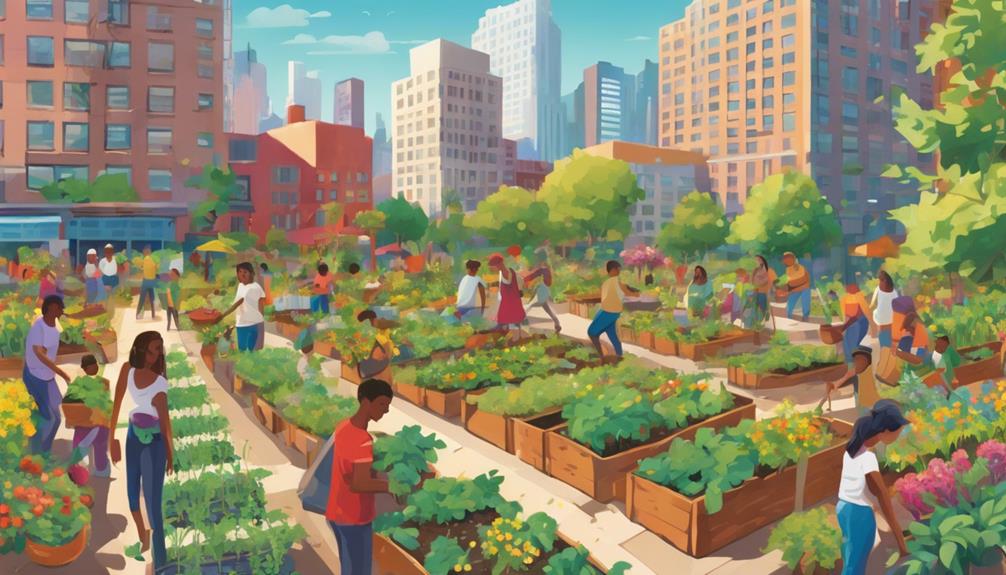
As cities continue to urbanize, community gardens and shared spaces are emerging as vibrant hubs of community engagement, providing residents with opportunities to grow their own food, socialize, and reconnect with nature. These spaces are not only fostering social cohesion but also promoting community engagement, as people from diverse backgrounds come together to share knowledge, resources, and experiences.
Here are some innovative ways community gardens and shared spaces are making a difference:
- Intergenerational connections: Community gardens bring together people of all ages, allowing for mentorship and knowledge-sharing between seniors and youth.
- Cultural exchange: Shared spaces celebrate cultural diversity, as community members share traditional recipes, cooking techniques, and cultural practices.
- Skill-building workshops: Community gardens offer workshops on topics like permaculture, composting, and sustainable gardening practices, empowering residents with new skills.
- Neighborhood revitalization: Vacant lots are transformed into thriving green spaces, enhancing the aesthetic appeal and property values of surrounding neighborhoods.
Urban Forestry and Tree Care
As cities continue to grow and develop, urban forestry and tree care become increasingly important aspects of maintaining healthy and sustainable urban green spaces. Effective tree maintenance strategies are essential in ensuring the longevity and vitality of urban canopies, which provide numerous ecological and social benefits. By adopting proactive approaches to urban forestry, cities can promote a greener, healthier, and more resilient environment for their residents.
Tree Maintenance Strategies
How can urban foresters and tree care professionals develop effective tree maintenance strategies that balance the needs of urban trees with the demands of urban development? As urbanization continues to shape our cities, it's important to prioritize tree maintenance to guarantee the health and longevity of urban canopies.
To achieve this balance, urban foresters and tree care professionals can employ the following strategies:
- Regular Tree Pruning: Pruning helps maintain tree structure, promotes healthy growth, and reduces hazards. It's essential to prune trees regularly to make sure they thrive in urban environments.
- Root Management: Urban trees often face root damage from construction, pavement, and other urban infrastructure. Effective root management involves protecting roots during construction, installing tree grates, and using root-friendly materials.
- Soil Care: Urban trees often suffer from poor soil quality, compacted soil, and limited soil volume. Implementing soil care practices like mulching, aeration, and fertilization can greatly improve tree health.
- Monitoring and Assessment: Regular monitoring and assessment of urban trees enable professionals to identify potential issues early, preventing minor problems from becoming major concerns.
Urban Canopy Development
What role can urban forestry and tree care play in shaping urban canopy development to guarantee a sustainable and resilient urban environment? As cities continue to urbanize, the importance of urban canopy development cannot be overstated. Urban forestry and tree care are vital components of this development, as they directly impact the health and resilience of urban ecosystems. One innovative approach is Canopy Mapping, which involves creating detailed maps of urban tree coverage to identify areas in need of improvement. This data-driven approach enables cities to develop targeted strategies for canopy expansion and maintenance. Urban Silviculture, the practice of cultivating and managing urban forests, is another key aspect of urban canopy development. By adopting these cutting-edge techniques, cities can enhance their urban forests, mitigate the urban heat island effect, and improve air quality. Additionally, urban canopy development can also provide habitat preservation, noise reduction, and mental health benefits for urban residents. By prioritizing urban forestry and tree care, cities can create thriving, sustainable environments that support the well-being of both humans and the environment.
Smart Parks and Green Infrastructure
Cities worldwide are incorporating smart parks and green infrastructure into their urban planning, integrating technology and nature to create sustainable, resilient, and healthy environments. This innovative approach combines Park Design principles with cutting-edge technology to optimize green spaces, enhancing the quality of life for urban residents.
Smart parks and green infrastructure offer numerous benefits, including:
- Improved air quality monitoring: Real-time air quality sensors provide accurate data, enabling cities to respond promptly to pollution spikes.
- Enhanced public safety: Smart lighting and surveillance systems establish a secure environment, reducing crime rates and fostering community trust.
- Optimized water management: Advanced irrigation systems and rainwater harvesting reduce water waste, minimizing the urban water footprint.
- Data-driven maintenance: IoT sensors and AI-powered analytics streamline park maintenance, predicting and preventing issues before they occur.
Frequently Asked Questions
How Do Urban Green Spaces Impact Local Air Quality and Pollution?
She explores how urban green spaces greatly impact local air quality and pollution. These spaces don't just provide aesthetic appeal; they're air purification powerhouses. Through pollutant absorption, urban greenery reduces airborne toxins, improving respiratory health. By incorporating more green spaces, cities can breathe easier, literally. In fact, studies show that a single tree can absorb up to 10 pounds of air pollutants per year. It's time to harness nature's air-purifying potential to create healthier urban environments.
Can Urban Gardens and Farms Really Provide Significant Food Sources?
Did you know that 15% of the world's food is grown in urban areas? Urban gardens and farms can be a significant food source, and innovative approaches make it possible. By implementing crop rotation and vertical farming, cities can increase yields while minimizing space. This not only provides fresh produce to local communities but also reduces transportation emissions. With creative solutions, urban agriculture can become an essential contributor to global food security.
Are There Any Zoning Regulations Hindering Green Space Development?
She notes that outdated zoning laws often impede green space development. Land use restrictions, rooted in outdated public policy, stifle urban planning innovation. Cities struggle to adapt, as rigid zoning laws prioritize commercial use over community-driven green spaces. By reevaluating and revising these policies, cities can open up opportunities for creative, sustainable, and community-focused land use. Furthermore, embracing modern zoning reforms can lead to the integration of green architecture in public spaces, enhancing both aesthetic appeal and environmental sustainability. By fostering collaboration between urban planners, landscape architects, and community organizations, cities can cultivate vibrant areas that promote social interaction and ecological balance. Ultimately, a reimagined approach to land use not only enriches urban environments but also fosters a healthier quality of life for residents.
How Do Green Roofs and Walls Affect Building Maintenance Costs?
Did you know that green roofs can reduce energy consumption by up to 25%? When it comes to building maintenance costs, green roofs and walls can have a significant impact. They require regular irrigation systems maintenance, waterproofing membranes inspections, and efficient drainage solutions to guarantee structural integrity. Roof access must be safe and convenient for maintenance personnel. Proper green infrastructure planning can reduce costs in the long run, making it a worthwhile investment.
Can Green Spaces Be Designed to Mitigate Urban Noise Pollution?
She explores the potential of green spaces to mitigate urban noise pollution. By incorporating noise reduction strategies, such as sound barriers and acoustic design, quiet zones can be created. This innovative approach can transform urban landscapes, providing peaceful oases amidst bustling cities. Green spaces can be designed to absorb and deflect noise, creating a more serene environment for urban dwellers.