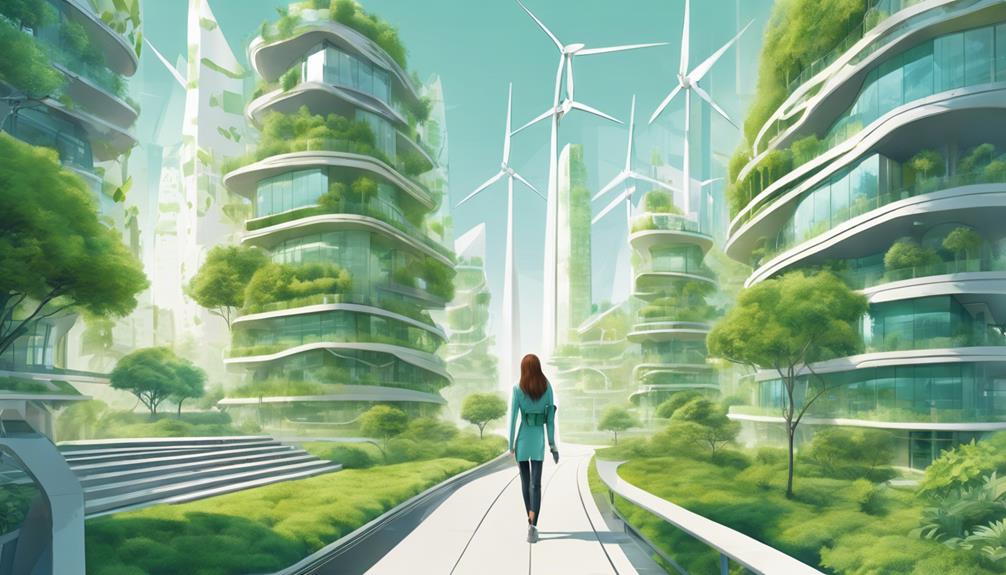
Building a career in environmental design requires a strong foundation in fields like architecture, interior design, or landscape architecture. Pursuing certifications like LEED AP or WELL AP demonstrates expertise in sustainable design principles. Key skills for success include creative thinking, project management, communication, and collaboration. Emerging trends like sustainable materials, green infrastructure, and circular economy principles offer opportunities for making a meaningful impact. To thrive in this field, professionals must stay updated on the latest research and technologies through ongoing training and education. As they explore the intersections of human needs and environmental sustainability, they'll discover a wealth of innovative solutions waiting to be uncovered.
Defining Environmental Design Principles
Environmental design principles emerge from the intersection of human needs, environmental stewardship, and innovative design solutions. This fusion of factors gives rise to a holistic approach that prioritizes the well-being of both people and the planet. At its core, environmental design is about creating sustainable systems that not only minimize environmental impact but also enhance the human experience.
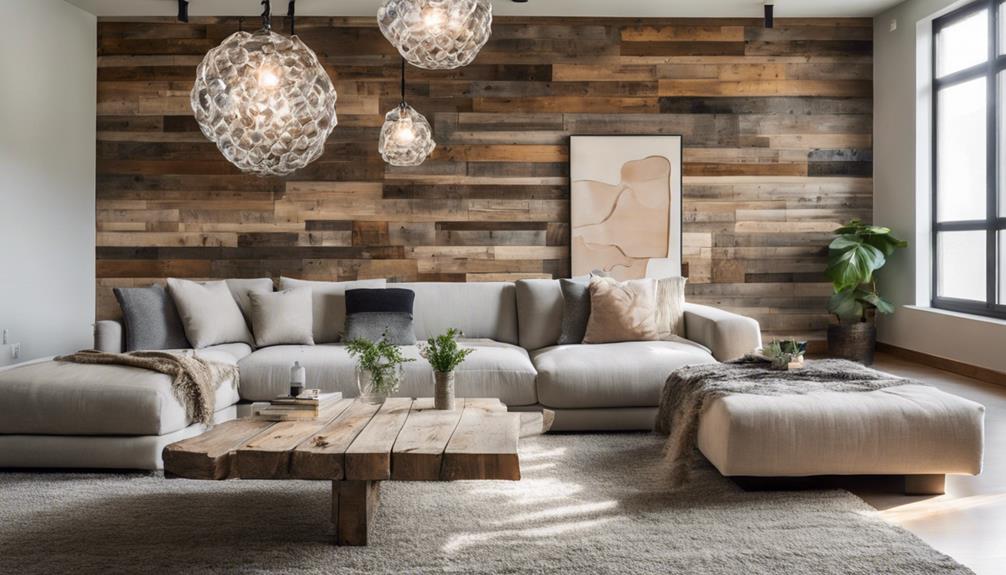
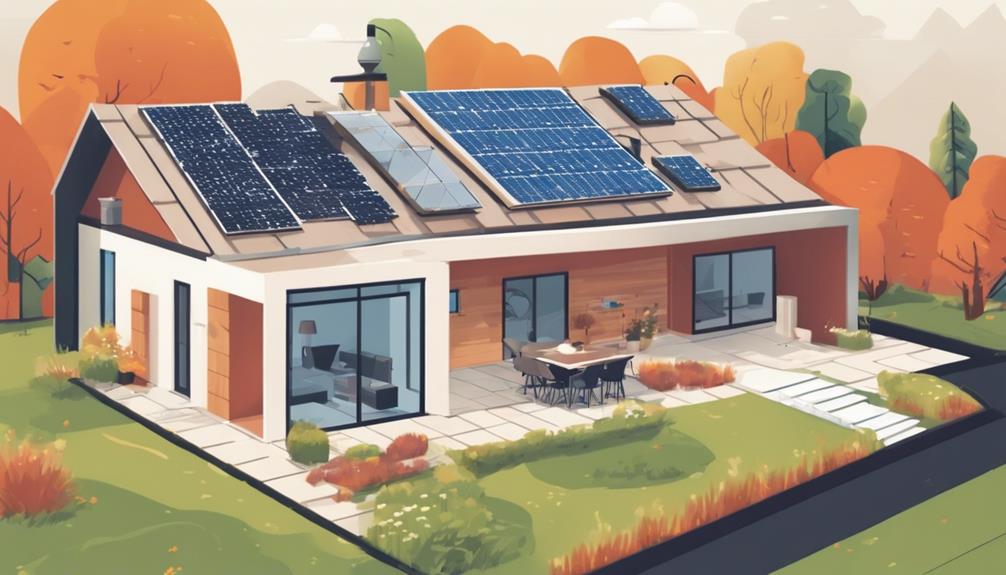
Innovative designers are leveraging eco-friendly materials to craft spaces that are both aesthetically pleasing and environmentally responsible. From recycled materials to energy-harvesting technologies, the possibilities for sustainable design are vast and rapidly evolving. By integrating green roofs, living walls, and renewable energy systems, environmental designers can create buildings that produce more energy than they consume.
The key to success lies in adopting a systems-thinking approach, where every element is carefully considered to maximize efficiency and minimize waste. This might involve specifying low-VOC paints, FSC-certified wood, and locally sourced materials to reduce carbon footprint. As the built environment continues to evolve, environmental designers will play a critical role in shaping a more sustainable future – one that balances human needs with the needs of the planet.
Education and Training Paths
Pursuing a career in environmental design typically begins with a strong educational foundation in a field such as architecture, interior design, or landscape architecture. These disciplines provide a solid understanding of the built environment and the impact of human activities on the natural world. To stay ahead in this field, it's essential to pursue a sustainable curriculum that integrates environmental considerations into every aspect of design.
Many colleges and universities now offer programs in environmental design, sustainable design, or green design. These programs often take an interdisciplinary approach, combining coursework from various fields such as architecture, engineering, ecology, and sociology. This holistic approach prepares students to tackle complex environmental challenges and develop innovative solutions.
In addition to formal education, many professionals in environmental design choose to pursue certifications such as the LEED AP (Leadership in Energy and Environmental Design Accredited Professional) or the WELL AP (Well Building Standard Accredited Professional). These certifications demonstrate expertise in sustainable design principles and practices.
As the field of environmental design continues to evolve, it’s essential for professionals to stay up-to-date with the latest research, technologies, and best practices. This may involve attending conferences, workshops, and online courses that focus on sustainable design, renewable energy, and eco-friendly materials. By combining formal education with ongoing training and certifications, professionals in environmental design can stay at the forefront of this innovative field. Networking with peers and industry leaders can also provide valuable insights into emerging trends and practices. Engaging in educational programs for environmental awareness not only enhances individual skill sets but also promotes a collective effort toward sustainability within communities. Ultimately, a commitment to continuous learning and collaboration ensures that environmental design professionals can make a significant impact in creating a more sustainable future.
Key Skills for Success
Several key skills are essential for environmental designers to master in order to succeed in this field. These skills not only enhance their creative thinking but also equip them to tackle complex projects efficiently. One of the most critical skills is creative thinking, which enables designers to develop innovative solutions that balance human needs with environmental sustainability. This skill allows them to think outside the box and come up with unique design concepts that are both functional and aesthetically pleasing.
Another crucial skill is project management, which involves coordinating and managing multiple stakeholders, timelines, and budgets. Environmental designers must be able to prioritize tasks, delegate responsibilities, and make sure that projects are completed on time and within budget. Effective project management enables designers to handle multiple projects simultaneously, ensuring that they meet client expectations and deliver high-quality results.
Additionally, environmental designers need to possess excellent communication and collaboration skills, as they often work with cross-functional teams, including architects, engineers, and contractors. They must be able to articulate their design vision, negotiate with stakeholders, and build consensus to achieve project goals. By mastering these key skills, environmental designers can deliver innovative, sustainable, and functional design solutions that exceed client expectations and make a positive impact on the environment.
Emerging Trends and Opportunities
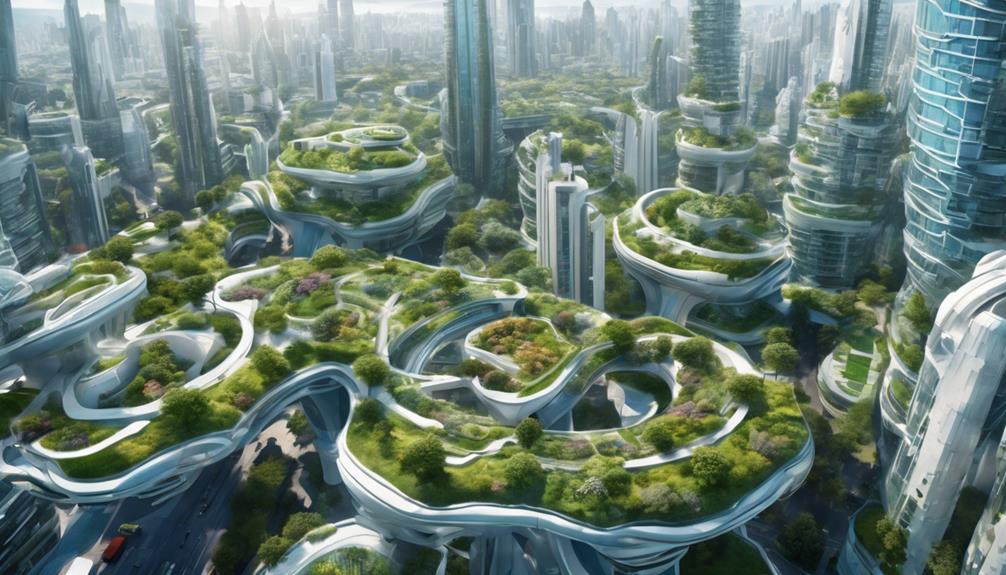
As the global focus shifts towards sustainable development, a plethora of emerging trends and opportunities are transforming the field of environmental design, from innovative materials and technologies to new business models and collaborative approaches. One of the most significant trends is the increasing adoption of sustainable materials in building design. These materials, such as recycled plastics, low-carbon concrete, and sustainably sourced wood, are revolutionizing the way buildings are constructed. Additionally, the incorporation of green infrastructure, such as green roofs, green walls, and urban parks, is becoming more prevalent. These features not only improve air quality and mitigate the urban heat island effect but also provide habitats for wildlife and enhance biodiversity.
Another trend is the rise of circular economy principles in environmental design. This approach encourages the reuse, recycling, and upcycling of materials, reducing waste and promoting sustainable consumption. Moreover, the integration of technology, such as building information modeling (BIM), virtual reality, and artificial intelligence, is streamlining the design process and improving collaboration among stakeholders. These emerging trends and opportunities are creating new avenues for environmental designers to make a meaningful impact on the built environment and contribute to a more sustainable future. As the field continues to evolve, environmental designers will play an essential role in shaping the future of sustainable development.
Launching a Rewarding Career
Environmental designers who want to make a lasting impact on sustainable development must take deliberate steps to launch a fulfilling and rewarding career. This requires a strategic approach to professional development, building relationships, and seeking guidance from experienced professionals.
| Career Development Strategies | Benefits |
|---|---|
| Professional Networking | Expand industry connections and stay updated on industry trends |
| Career Mentorship | Gain valuable insights and guidance from experienced professionals |
| Continuous Learning | Stay current with emerging trends and technologies |
| Volunteering | Gain practical experience and build a strong portfolio |
| Collaboration | Develop teamwork and communication skills |
Frequently Asked Questions
How Do I Balance Aesthetics With Sustainability in My Designs?
She navigates the delicate balance between aesthetics and sustainability by making intentional material choices that prioritize eco-friendliness without sacrificing visual harmony. By incorporating biophilic principles, she creates spaces that not only please the eye but also promote a deeper connection with nature. Her design ethics prioritize the human experience, ensuring that form and function converge in harmony. Through thoughtful consideration, she crafts environments that inspire and uplift, while minimizing their ecological footprint.
Can I Specialize in a Specific Area of Environmental Design?
Ironically, the pursuit of environmental design often leads to a jack-of-all-trades mentality, but what if she could carve out a niche for herself? Specializing in a specific area of environmental design is not only possible but encouraged. She could focus on niche markets, like sustainable urban planning or eco-friendly product design. Alternatively, she might take a regional focus, concentrating on environmental design solutions tailored to her local community's unique needs.
Are There Opportunities for Freelancing in Environmental Design?
She explores opportunities for freelancing in environmental design, finding a wealth of options. Freelance platforms, like Upwork and Fiverr, connect her with clients seeking sustainable solutions. With project variety at her fingertips, she tackles diverse assignments, from eco-friendly product design to green architecture. This flexibility allows her to build a diverse portfolio, attracting a broad client base and fueling her passion for innovative, environmentally conscious design.
How Do I Stay Current With New Technologies and Materials?
She stays ahead of the curve by tuning into the buzz around Material Innovations and Tech Trends. Attending industry conferences and seminars keeps her informed about the latest breakthroughs. Online forums, blogs, and social media also help her stay current. By doing so, she's always on the pulse of what's new and what's next, giving her an edge in the ever-evolving world of environmental design.
Can I Transition Into Environmental Design From Another Field?
She can certainly shift into environmental design from another field. Many skills are transferable, such as project management, problem-solving, and communication. It's a career reboot, not a complete overhaul. By leveraging her existing strengths and acquiring new skills, she can pivot into environmental design. It's an opportunity to refresh her professional path and make a meaningful impact on the environment.