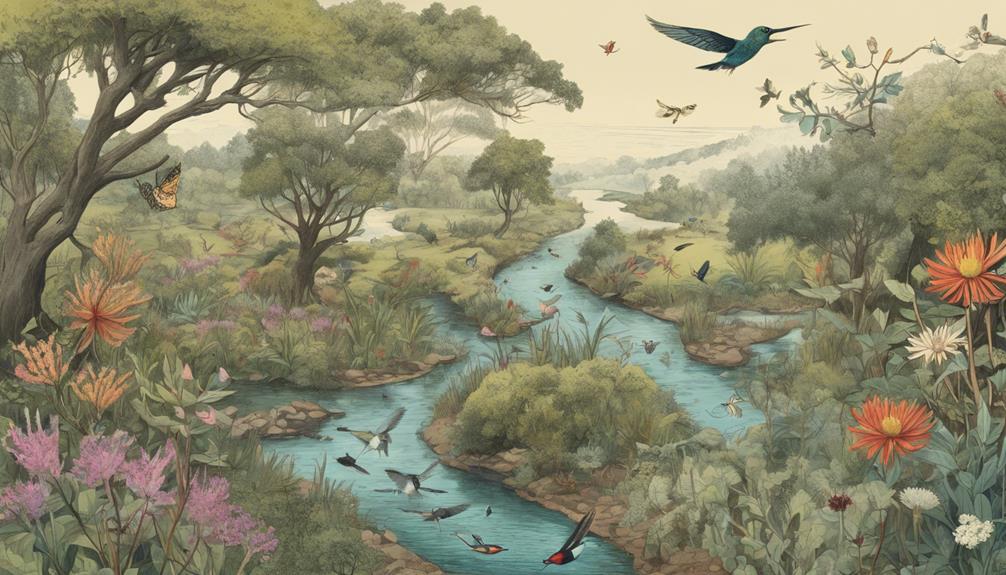
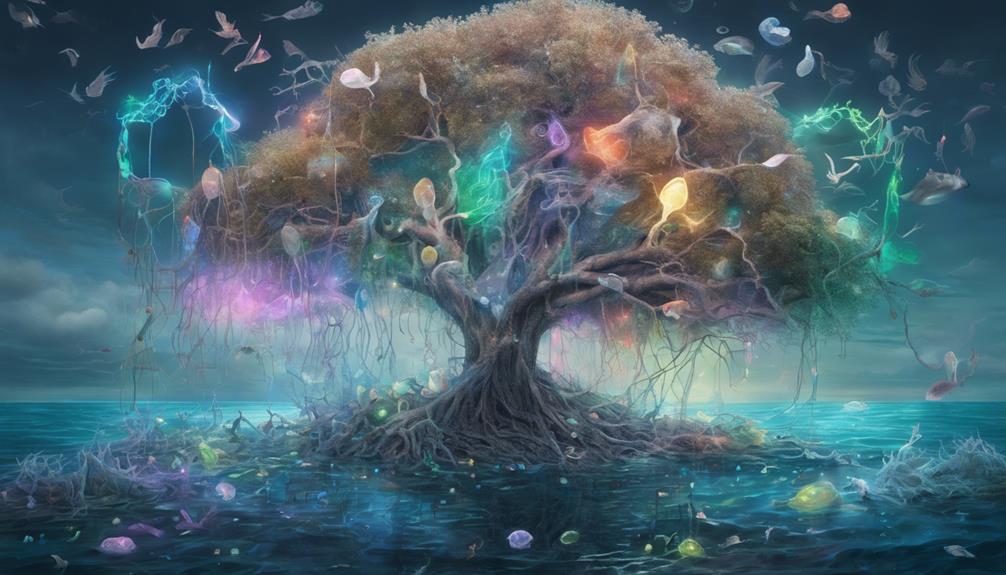
Art installations are inspiring environmental change by raising awareness about the devastating impact of human actions on the planet. Artists use discarded materials to create thought-provoking sculptures, simulating the consequences of climate change through virtual experiences, and bringing nature's forces to urban areas. These installations urge viewers to adopt sustainable practices, demand change from corporations, and take personal responsibility for their actions. From spotlighting endangered species to reviving urban landscapes, art is galvanizing a movement of climate leaders and inspiring a sense of urgency to protect the planet – and the journey to environmental awakening has just begun.
Waste Not: Sculptures of Devastation
Approximately 8 million tons of plastic waste enter the world's oceans every year, and artists are using this devastating reality as inspiration for thought-provoking sculptures that spark awareness and outrage. These sculptures, often created from discarded materials, serve as a powerful commentary on our disposable culture. By transforming trash into thought-provoking art, artists are challenging our relationship with waste and encouraging us to rethink our consumption habits.
The resulting "trash landscapes" are hauntingly beautiful, yet simultaneously disturbing. They evoke a sense of unease, forcing viewers to confront the consequences of their daily choices. By using plastic debris as a primary material, artists are highlighting the alarming rate at which we're polluting our planet. These sculptures serve as a stark reminder that our actions have consequences, and it's time to take responsibility for our impact on the environment.
Through their work, artists are inspiring a sense of urgency, encouraging viewers to adopt more sustainable practices and reduce their waste output. By sparking a sense of outrage and awareness, these sculptures have the power to inspire real change. As we navigate the complexities of our disposable culture, these thought-provoking sculptures serve as a powerful call to action, urging us to rethink our relationship with waste and work towards a more sustainable future.
Illuminating the Dark Side of Consumption
By casting a light on the unseen consequences of rampant consumerism, artists are exposing the dark underbelly of our throwaway society. Through thought-provoking installations, they're illuminating the devastating impact of consumption cycles on the environment. By shedding light on the overuse effects of natural resources, these artists are sparking a much-needed conversation about sustainability.
One such installation, "Cycle of Excess," features a maze of discarded packaging and plastic waste, highlighting the staggering volume of trash generated by our consumption habits. Another, "The Price of Progress," uses interactive displays to illustrate the environmental cost of our addiction to fast fashion and electronics. Viewers are confronted with stark visuals, such as images of polluted landscapes and endangered species, forcing them to confront the consequences of their purchasing decisions.
These installations serve as a wake-up call, urging viewers to rethink their role in the consumption cycle. By making the invisible visible, artists are inspiring a shift in consumer behavior, encouraging individuals to adopt more sustainable lifestyles. As visitors leave these exhibitions, they're armed with a newfound awareness of the environmental implications of their daily choices. It's a call to action, prompting them to demand change from corporations and governments, and to adopt habits that prioritize the health of the planet.
Virtual Realities of Climate Crisis
Through immersive virtual experiences, artists are now simulating the devastating consequences of climate change, transporting viewers into dystopian futures where rising sea levels engulf coastal cities and wildfires ravage entire ecosystems. By leveraging cutting-edge technology, these digital artists are creating climate refuges – virtual sanctuaries where people can confront the harsh realities of climate crisis without putting themselves in harm's way. These virtual realities are not only thought-provoking but also emotionally charged, sparking a digital awakening that inspires viewers to take action.
In these virtual worlds, artists are reimagining the consequences of inaction, allowing viewers to navigate the ruins of once-thriving cities or witness the extinction of beloved species. By making the abstract concrete, these installations humanize the climate crisis, evoking empathy and urgency. As viewers traverse these virtual landscapes, they are compelled to confront their own role in the climate crisis, sparking a sense of personal responsibility and agency.
Nature's Fury in Urban Landscapes
As virtual realities awaken our sense of urgency, artists are now bringing the fury of nature to urban landscapes, where concrete jungles become the battleground for climate resilience. Urban spaces, once thought to be immune to the whims of nature, are now being transformed into immersive experiences that simulate the intense forces of wild weather. Artists are harnessing the power of art to raise awareness about the impact of climate change on urban ecosystems.
By bringing the outdoors in, these installations are sparking important conversations about urban resilience and the need for sustainable infrastructure. They're challenging the status quo, urging cities to rethink their relationship with nature and prepare for the unpredictable.
Here are 4 ways art installations are redefining urban landscapes:
- Immersive experiences: Interactive exhibits that simulate extreme weather conditions, such as hurricanes or wildfires, to raise awareness about the human cost of climate change.
- Ephemeral architecture: Temporary structures that adapt to the forces of nature, demonstrating the potential for resilient urban design.
- Data-driven art: Visual representations of climate data, highlighting the impact of climate change on urban ecosystems.
- Community engagement: Participatory installations that empower citizens to take action, fostering a sense of collective responsibility for urban resilience.
Ephemeral Art for Endangered Species
In the fragile dance between humans and wildlife, ephemeral art installations are spotlighting the plight of endangered species, conjuring empathy and urgency in urban audiences. These immersive experiences raise awareness about the fragile existence of species on the brink of extinction, encouraging viewers to take action.
Artists are using innovative techniques to create powerful, ephemeral installations that vanish as suddenly as the species they represent. For instance, a recent exhibition featured a large-scale, 3D printed rhino, fragile and translucent, highlighting the species' precarious existence.
| Artist | Installation | Impact |
|---|---|---|
| Marina DeBris | "Gyre" | Raises awareness about plastic pollution's effect on marine life |
| Rebecca Moss | "Disappearing Act" | Showcases the decline of bee populations and their impact on ecosystems |
| Chris Drury | "Vanishing Landscapes" | Highlights the devastating effects of deforestation on indigenous species |
| Ana Mendieta | "Silueta" | Explores the relationship between humans and the natural environment |
Plastic Oceans and Human Impact
Marine plastic pollution, a pressing concern linked to the decline of endangered species, has reached catastrophic levels, with millions of tons of waste entering oceans every year. The Ocean Conservancy estimates that if we don't take immediate action, there will be more plastic than fish in the ocean by 2050. This staggering reality is a direct result of human impact, with plastic waste being a major contributor to sea pollution. The toxic legacy of our plastic addiction is evident in the devastating impact it has on marine life, from entangled sea turtles to microplastics ingested by fish.
Art installations have the power to raise awareness about this critical issue, inspiring individuals to take action and rethink their plastic usage. By visualizing the problem, artists can evoke an emotional response, encouraging viewers to contemplate their own role in the plastic legacy.
Here are four key ways art can drive change:
- Raising awareness: Art installations can educate the public about the severity of plastic pollution, sparking conversations and inspiring action.
- Inspiring innovation: Artists can encourage the development of sustainable solutions, driving innovation in plastic alternatives and waste management.
- Promoting policy change: By highlighting the human footprint on the ocean, art can influence policy makers to implement stricter regulations on plastic waste.
- Fostering community engagement: Art installations can bring communities together, encouraging collective action to reduce plastic waste and protect marine life.
Through art, we can reframe the narrative around plastic pollution, inspiring a new wave of environmental stewards to take action.
Forests of the Imagination Revived
She explores how art installations can revive ancient forests and create urban oases, transforming spaces that were once devoid of life. By doing so, these installations inspire a deeper appreciation for nature and encourage viewers to take action in preserving it. Through this revival of forests, artists are sparking a sense of wonder and responsibility in those who experience their work.
Ancient Forests Revived
Through immersive art installations, artists are reviving the mystical aura of ancient forests, inviting viewers to step into fantastical domains where nature's wonders await rediscovery. By recreating the enchanting ambiance of primeval woods, these installations inspire a sense of wonder and awe, reconnecting us with the natural world.
In these modern-day sanctuaries, the whispers of ancient forests come alive:
- Tree Canopies: Suspended above, intricate networks of twinkling lights mimic the dappled patterns of sunlight filtering through the forest canopy, evoking a sense of shelter and protection.
- Forest Whispers: Soft, eerie sounds, reminiscent of leaves rustling in the breeze, create an immersive audio experience, transporting viewers deep into the heart of the forest.
- The scent of damp earth and moss wafts through the air, further blurring the lines between reality and fantasy.
- As visitors wander through these dreamlike environments, they're encouraged to slow down, breathe deeply, and reconnect with the natural world.
Urban Oasis Created
Artists are transforming urban landscapes into vibrant oases, reviving forests of the imagination where city dwellers can escape the concrete jungle and reconnect with nature’s splendor. In the heart of bustling cities, green spaces are emerging as beacons of hope, fostering a sense of community and sustainability. These urban oases are not only aesthetically pleasing but also contribute to urban renewal by improving air quality, reducing noise pollution, and providing habitats for local wildlife. Through the integration of art and nature, these revitalized areas encourage social interaction and cultural engagement among residents. Sustainable public space design plays a crucial role in this transformation, ensuring that these green spaces are not only beautiful but also functional and eco-friendly. By prioritizing accessibility and biodiversity, cities can create environments that nurture both human well-being and the delicate ecosystems within them.
Through innovative installations, artists are reimagining urban spaces, incorporating native flora and fauna, and incorporating eco-friendly materials. These immersive experiences invite visitors to engage with nature, sparking a sense of wonder and environmental consciousness. By merging art, technology, and ecology, these urban oases are redefining the relationship between humans and the environment. As urban renewal projects, they demonstrate the potential for art to drive positive change, inspiring a new wave of eco-aware citizens to take action.
Electrifying Climate Activism
As climate change reaches a pivotal point, artists are using their platforms to sound the alarm and inspire collective action. Through immersive installations, they're highlighting the urgent need for environmental reform, sparking vital conversations, and motivating viewers to take a stand. By combining art and activism, they're creating a powerful catalyst for change.
Climate in Crisis
Raging wildfires, devastating hurricanes, and severe droughts are stark reminders that the climate crisis has reached a critical tipping point, demanding immediate attention and drastic action. The consequences of inaction are dire, and the world is witnessing the devastating effects of rising temperatures and climate change.
Climate refugees, forced to flee their homes due to environmental disasters, are a heartbreaking reality. The crisis is not just an environmental issue but a humanitarian one as well.
Here are some alarming facts about the climate crisis:
- 2019 was the hottest year on record, with temperatures 1.1°C above the 1961-1990 average.
- A million species are facing extinction due to human activities, including climate change.
- Sea levels are rising at an alarming rate, threatening coastal cities and ecosystems.
- Climate change is displacing millions, with the number of climate refugees expected to rise exponentially.
The art world is taking notice, and installations are being created to raise awareness and inspire action. It's time for us to take notice and demand change.
Activating Change Now
Through provocative installations, climate activists are electrifying the conversation, urging individuals to confront the crisis head-on and demanding tangible commitments from governments and corporations. This electrifying climate activism sparks a cultural shift, cultivating a sense of community engagement and personal accountability. By presenting innovative solutions, artists inspire fresh perspectives, encouraging individuals to rethink their daily habits and their impact on the environment. As people come together, collective action becomes the catalyst for meaningful change. Installations serve as a call to action, prompting viewers to take ownership of their ecological footprint and demand more from those in power. By merging art and activism, these installations galvanize a movement, inspiring a new wave of climate leaders who will drive transformative change. As the conversation around climate change evolves, these installations remain at the forefront, energizing the movement and igniting a sense of urgency that will propel humanity toward a more sustainable future.
Frequently Asked Questions
Can Art Installations Really Inspire Environmental Change in Individuals?
She wonders whether creative expressions can truly spark eco-friendly habits in individuals. Can art installations, in particular, inspire environmental change? The answer lies in their ability to forge personal connections and evoke emotional resonance. When people emotionally invest in a cause, they're more likely to take action. By tapping into our feelings, art installations can motivate individuals to adopt sustainable practices, driving meaningful environmental change.
How Do Artists Balance Aesthetics With Environmental Activism in Their Work?
Did you know that 75% of people are more likely to engage with environmental issues when presented with visually striking imagery? Artists today straddle the line between aesthetics and activism, negotiating creative tension to inspire change. By embracing visual responsibility, they craft pieces that not only stun but also spark meaningful conversations. This delicate balance allows artists to marry beauty with a call to action, galvanizing audiences to take environmental action.
Are Environmentally Focused Art Installations Only for Urban Audiences?
She wonders whether environmentally focused art installations are limited to urban audiences. While it's true that many exhibits are showcased in cities, she argues that rural accessibility is essential for widespread impact. To achieve cultural relevance, artists must consider the unique needs and concerns of rural communities, adapting their work to resonate with diverse audiences. By doing so, they can spark environmental awareness and inspire action across the globe.
Can Interactive Art Installations Increase Environmental Awareness More Effectively?
She believes interactive art installations can indeed increase environmental awareness more effectively. By leveraging sensory immersion, these installations create a multisensory experience that resonates deeply with viewers. This emotional resonance sparks a deeper connection, fostering a sense of personal responsibility and motivating individuals to take action. As a result, interactive art installations have the potential to inspire meaningful behavioral change, driving real environmental impact.
Do Art Installations Focused on Environmental Issues Only Appeal to Activists?
She wonders, do environmental art installations only resonate with the already converted, or can they spark change in a broader audience? It's a valid concern, as art elitism can limit the reach of these works, confining them to a niche circle of eco-warriors. However, she believes that by using immersive and interactive elements, these installations can transcend the limited audience, inspiring a wider range of people to take action against environmental degradation.