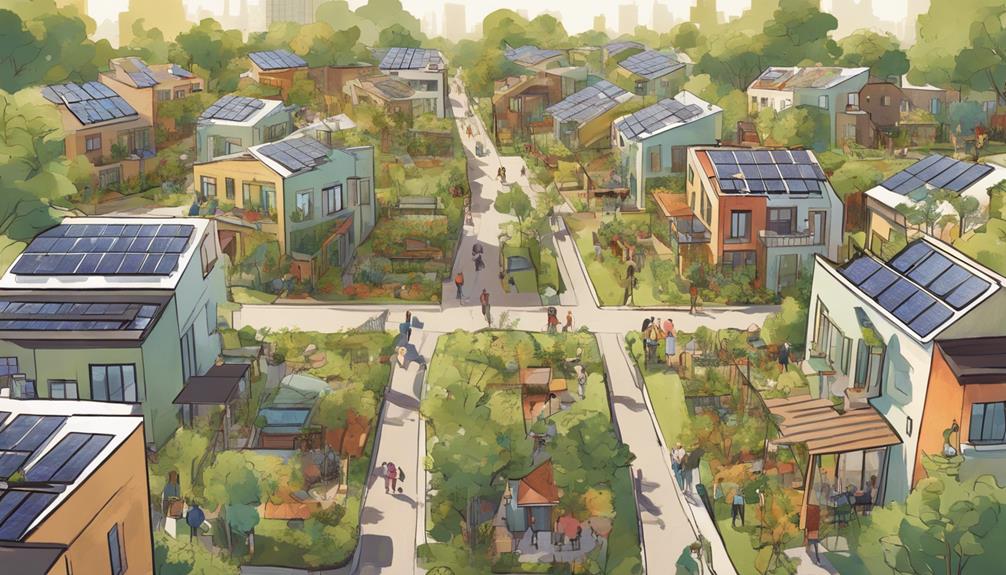

To craft a sustainable fashion statement, consumers are shifting towards mindful consumption, embracing ethical practices like buying second-hand, swapping, or repairing clothing. Investing in high-quality, timeless pieces reduces the demand for cheap, trendy items that contribute to landfill waste. Choosing sustainable fabrics, like eco-friendly cotton and recycled polyester, also reduces the industry's ecological footprint. By making conscious choices, individuals can promote responsible buying habits and a more sustainable fashion future. As they explore the world of sustainable fashion, they'll discover more ways to create a personal style that's both stylish and responsible.
Rethinking Fast Fashion Habits
Every year, millions of tons of discarded clothing end up in landfills, a staggering consequence of the fast fashion habits that have become the norm in many cultures. However, a growing number of consumers are recognizing the need for a shift towards mindful consumption. By adopting a sustainable mindset, individuals can make conscious choices that promote responsible buying habits and reduce the environmental impact of the fashion industry.
Fast fashion's 'take, make, dispose' approach has led to an unsustainable cycle of consumption and waste. To break free from this cycle, it's essential to rethink our relationship with fashion. This involves embracing ethical practices, such as buying second-hand, swapping or repairing clothing, and investing in high-quality, timeless pieces. By doing so, we can reduce the demand for cheap, trendy items that often end up in landfills after a single wear.
A sustainable fashion statement is not just about the clothes we wear, but about the values we uphold. It's about recognizing the human and environmental costs of fast fashion and choosing to do better. By making conscious, responsible choices, we can create a more sustainable fashion future that prioritizes people, planet, and profit equally. The time to rethink fast fashion habits is now – and it starts with a simple yet powerful choice: to consume fashion mindfully and responsibly.
Choosing Sustainable Fabrics Matter
As consumers become more mindful of their fashion choices, they're recognizing that the fabrics they wear have a notable impact on the environment, and opting for sustainable fabrics is an essential step towards reducing the industry's ecological footprint. The production and processing of fabrics can lead to water pollution, energy consumption, and waste generation. Hence, it's important to make informed choices when selecting fabrics.
Here are some sustainable fabric options to take into account:
| Fabric | Sustainable Benefits |
|---|---|
| Eco-friendly cotton | Reduces water and pesticide usage, promotes biodiversity |
| Organic denim | Eliminates toxic chemicals, reduces water pollution |
| Recycled polyester | Conserves non-renewable resources, reduces waste |
Eco-friendly cotton, for instance, is cultivated using organic farming practices, reducing water and pesticide usage. Organic denim, on the other hand, eliminates toxic chemicals, reducing water pollution. By choosing sustainable fabrics, consumers can notably reduce the environmental impact of the fashion industry. As the demand for sustainable fabrics grows, manufacturers are responding by incorporating eco-friendly materials into their production processes. By making conscious fabric choices, consumers can contribute to a more sustainable fashion future.
The Power of Second-Hand Shopping
By extending the life cycle of existing garments, consumers can greatly reduce the demand for new, resource-intensive clothing, making second-hand shopping a powerful tool in the quest for sustainable fashion. This approach not only reduces waste but also allows individuals to express their personal style while minimizing their environmental footprint.
- Second-hand shopping offers a treasure trove of unique, one-of-a-kind pieces that can't be replicated by fast fashion.
- Vintage scores and thrift hauls have become a badge of honor, symbolizing a commitment to sustainable swag and a rejection of the throwaway culture.
- Online marketplaces have made it easier than ever to shop second-hand, connecting buyers with sellers from around the world.
- As fashion nostalgia continues to drive the resale revolution, consumers are waking up to the idea that they can shop smart and still look great, all while doing their part for the planet.
Through second-hand shopping, individuals can detox their closet of unsustainable fashion choices and make way for a more mindful approach to style. As the resale revolution gains momentum, it's clear that this is more than just a trend – it's a fundamental shift in the way we think about fashion. By embracing second-hand shopping, consumers can make a real difference, one outfit at a time.
Quality Over Quantity Always
When it comes to building a sustainable wardrobe, quality truly trumps quantity. By focusing on durable, high-quality pieces, individuals can create a timeless style that won't need to be replaced anytime soon. This approach not only reduces waste but also encourages a more thoughtful, intentional approach to fashion.
Durable Pieces Matter Most
High-quality, durable pieces form the backbone of a sustainable wardrobe, offering a clear alternative to the fast-fashion mentality that dominates the industry. By investing in well-made garments, individuals can reduce their environmental footprint and promote a more responsible approach to fashion.
Here are some key benefits of prioritizing durable pieces:
- Extended garment lifecycle: Durable pieces can be worn and loved for years to come, reducing the need for frequent replacements and waste.
- Lower cost per wear: While the initial investment may be higher, durable pieces can provide a lower cost per wear over time, making them a more economical choice.
- Material hierarchy: By choosing high-quality materials that are sustainable and environmentally friendly, individuals can reduce their impact on the planet.
- Supply chain transparency: Durable pieces often come with transparent production ethics, ensuring that workers are treated fairly and the environment is respected.
Invest in Timeless Style
She curates a timeless wardrobe by focusing on a few statement pieces that exude effortless elegance, rather than succumbing to the trendy, fast-fashion trap. By doing so, she sidesteps the vicious cycle of constant purchases and waste. Instead, she invests in a Timeless Aesthetic that transcends seasons and trends. Her approach is rooted in the understanding that true style is not about following the latest fad, but about cultivating a personal sense of Seasonless Chic.
This approach not only reduces waste but also allows her to express her individuality. She's not bound by the constraints of fast fashion, where clothing is discarded after a single wear. Her timeless pieces are built to last, and she takes pride in mixing and matching them to create new, innovative outfits. This sustainable approach to fashion is a refreshing change in an industry plagued by excess and waste. By embracing Quality Over Quantity, she's making a bold statement – one that's both stylish and responsible.
Designing for Timeless Fashion
When designing for timeless fashion, it's crucial to focus on creating pieces that transcend trends and seasons. This approach involves reviving classic silhouettes, selecting high-quality fabrics, and incorporating versatile elements to guarantee garments remain relevant for years to come. By doing so, fashion enthusiasts can build a sustainable wardrobe that stands the test of time.
Classic Silhouette Revival
By reviving classic silhouettes, fashion designers can create timeless pieces that transcend fleeting trends and reduce waste in the industry. This approach not only appeals to consumers' desire for sustainable fashion but also allows designers to showcase their creativity and innovation. A classic silhouette revival can be achieved by incorporating elements of vintage revival, modern twist, and retro fusion, resulting in elegant shapes and sophisticated lines that exude timeless chic.
Some ways to incorporate classic silhouettes into modern fashion include:
- Revamping 1950s-inspired A-line dresses with modern fabrics and colors
- Updating 1920s-style flapper dresses with bold prints and bold accessories
- Reimagining 1980s-power suits with sleek, modern fabrics and cuts
- Infusing 1940s-inspired utility chic with modern textiles and details
Fabric Choice Matters
Sixty percent of a garment's environmental impact is attributed to the fabric used, making fabric choice a pivotal factor in designing for timeless fashion. As consumers become increasingly eco-conscious, designers are turning to sustainable fabric options that not only reduce waste but also promote a more responsible fashion industry. Natural fibers like organic cotton, hemp, and bamboo are gaining popularity due to their biodegradable and renewable properties. Meanwhile, synthetic alternatives like recycled polyester and nylon are being developed to reduce the reliance on virgin materials. Textile innovations, such as plant-based fabrics and lab-grown materials, are also emerging as viable alternatives. However, it's not just about the type of fabric used; material sourcing and supply chain transparency are equally essential. By prioritizing transparency and responsible sourcing, designers can ensure that their fabric choices have a positive impact on the environment and local communities. As the industry continues to evolve, fabric technology is likely to play a key role in shaping the future of sustainable fashion.
Versatility Is Key
They design for timeless fashion by creating garments that can be styled multiple ways, increasing their wearability and longevity. This approach encourages creativity and experimentation, allowing individuals to express their personal style while reducing the need for frequent purchases. By incorporating versatile pieces into their wardrobe, consumers can mix and match items to create fresh twists on familiar outfits.
Some key strategies for designing versatile fashion include:
- Creating wardrobe anchors that can be paired with multiple outfit anchors
- Developing fashion formulas that allow for endless options and combinations
- Incorporating style hacking techniques to breathe new life into closet essentials
- Designing garments that can be effortlessly dressed up or down, providing endless opportunities for self-expression
The Impact of Micro-Trends
In addition, the fashion industry's obsession with novelty reaches a fever pitch, micro-trends emerge and disappear at an alarming rate, leaving a trail of waste and environmental degradation in their wake. This rapid turnover of styles is fueled by flash sales, social pressures, and celebrity influence, which create a sense of urgency and exclusivity around each new trend. Algorithmic feeds on social media platforms perpetuate this cycle, serving users a curated stream of viral hype and instant gratification. The result is trend fatigue, as consumers are overwhelmed by the constant influx of new styles and the pressure to keep up.
This phenomenon contributes to cultural homogeny, as unique styles and individuality are sacrificed for the sake of conformity. The environmental impact is staggering, with fast fashion's 'take, make, dispose' approach resulting in massive amounts of waste and pollution. Moreover, the constant demand for newness has led to a culture of disposability, where garments are worn once or twice before being discarded. It's time to rethink our relationship with fashion and prioritize sustainability over the fleeting thrill of micro-trends. By doing so, we can reduce waste, support environmentally conscious designers, and cultivate a more mindful approach to fashion consumption.
Buying Better, Not More
By shifting the focus from frequent, trendy purchases to investing in timeless, high-quality pieces, consumers can greatly reduce their environmental footprint and support a more sustainable fashion industry. This approach, known as Slow Fashion, encourages mindful consumption and a more thoughtful approach to fashion. It's about valuing quality over quantity, and investing in pieces that will stand the test of time.
- Invest in classic, timeless pieces that won't go out of style quickly
- Look for high-quality materials and construction that will guarantee durability
- Consider the cost per wear, rather than the initial purchase price
- Prioritize versatility, and choose pieces that can be styled multiple ways
Caring for Your Clothing
Properly caring for your clothing can greatly extend its lifespan, reducing the need for frequent replacements and the environmental impact that comes with them. By adopting a few simple habits, you can keep your garments looking their best for longer. Start by establishing a thoughtful laundry routine that includes gentle stain removal techniques and fabric softening methods to prevent wear and tear. Implementing a regular cleaning schedule can also help prevent the buildup of dirt and odors.
Beyond laundry, organizing your closet and garment storage can help reduce wrinkles and creases, making ironing a breeze. Invest in a few essential tools, such as a steamer and a lint roller, to keep your clothes looking fresh. When it comes to storing your garments, consider using acid-free tissue paper and breathable storage bags to prevent damage. For delicate items, consider hand washing and air drying to prevent shrinkage. By mastering a few simple mending techniques, you can extend the life of your clothes even further. Finally, develop a folding method that works for you, and hang clothes in a way that prevents stretching and creasing. With these simple habits, you can enjoy your clothes for seasons to come, reducing waste and supporting a more sustainable fashion future.
The Role of Upcycling Creativity
As the fashion industry shifts towards sustainability, upcycling creativity takes center stage, enabling designers to reinvent old materials, craft new narratives, and challenge the traditional waste culture. By breathing new life into discarded items, upcyclers not only reduce waste but also create unique, eco-friendly pieces that tell a story. Through this innovative approach, they're redefining the fashion landscape, one repurposed item at a time.
Reinventing Old Materials
Designers are now revamping discarded materials, transforming them into high-fashion statements that not only reduce waste but also redefine the notion of style and sustainability. This creative approach to fashion is redefining the industry's relationship with waste, as designers breathe new life into discarded materials.
Through Material Revival and Creative Repurposing, designers are pushing the boundaries of innovation, transforming:
- Old CDs into intricately designed jewelry
- Plastic bottles into durable, waterproof fabrics
- Vintage clothing into one-of-a-kind, haute-couture pieces
- Industrial scraps into statement accessories
Designing New Narratives
Through upcycling, creators are not only reimagining discarded materials but also crafting new stories that redefine the essence of fashion, as they weave together fragments of the past to create a sustainable future. This creative freedom allows designers to break free from conventional norms, embracing an artistic voice that resonates with their brand identity. Upcycling becomes an act of fashion activism, sparking cultural commentary and encouraging consumers to rethink their relationship with clothing. Visual storytelling emerges as a powerful tool, conveying the narrative of sustainable fashion through every stitch, fold, and texture. As designers explore new aesthetics, they're not just creating garments – they're crafting a personal expression of their values. This fusion of creativity and consciousness gives birth to innovative designs that not only make a statement but also inspire a movement. In this domain of upcycling creativity, designers are free to experiment, pushing the boundaries of fashion and challenging the status quo.
Transforming Waste Culture
By reworking discarded materials, upcycling creativity transforms the cultural narrative of waste, redirecting the trajectory of fashion's environmental impact. This shift in perspective sparks a cultural shift, where waste reduction becomes a badge of honor, and mindful living is the new normal. The fashion industry, often criticized for its environmental footprint, is poised for a system overhaul. Upcycling creativity paves the way for responsible production, encouraging designers to think outside the box and craft innovative pieces from discarded materials.
- Upcycled materials reduce the need for new, resource-intensive production
- Conscious consumption becomes the mantra, as consumers prioritize sustainable fashion
- Designers are encouraged to experiment, pushing the boundaries of creativity and innovation
- The environmental impact of fashion is greatly reduced, as waste becomes a valuable resource rather than a liability
Investing in Timeless Pieces
Regularly incorporating high-quality, timeless pieces into her wardrobe allows a fashion-conscious individual to reduce her environmental footprint while maintaining a stylish edge. By investing in Eternal Classics, she can create a Forever Chic wardrobe that stands the test of time. These pieces are crafted with exceptional quality, guaranteeing they won't end up in landfills after a single season. Instead, they'll remain a staple in her wardrobe for years to come, minimizing the need for frequent purchases and reducing waste.
Timeless pieces also offer versatility, allowing her to mix and match them with ease. A classic white shirt, for instance, can be paired with distressed denim jeans for a casual look or with a flowy skirt for a more elegant affair. This flexibility reduces the urge to constantly buy new items, further diminishing her environmental impact. Additionally, investing in high-quality materials and craftsmanship ensures that these pieces will remain in excellent condition, requiring minimal maintenance and repairs.
Building a Conscious Closet
As she curates her closet with intention, she's able to identify and eliminate unnecessary items, making room for a more thoughtful and streamlined wardrobe that aligns with her personal style and values. This process of closet detox allows her to redefine her fashion identity and adopt a more mindful approach to consumption.
By doing so, she's able to create a cohesive personal uniform that reflects her intentional style. This style evolution is a result of careful wardrobe editing, where she's intentional about the pieces she keeps, and the stories they tell about her personal values.
Some key takeaways from building a conscious closet include:
- Identifying personal values: Understanding what matters most to her, and letting those values guide her fashion choices.
- Curating with intention: Selecting pieces that align with her personal style, and avoiding impulse purchases.
- Embracing mindful consumption: Considering the environmental and social impact of her fashion choices.
- Evoking style evolution: Continuously refining her personal uniform, and staying true to her intentional style.
Through this process, she's able to craft a sustainable fashion statement that not only reduces waste but also reflects her true self. By building a conscious closet, she's making a conscious choice to prioritize her values, and the planet, with every outfit she wears.
Frequently Asked Questions
Can I Still Follow Fashion Trends and Be Sustainable?
She wonders if it's possible to stay on-trend without sacrificing the planet. Can she still follow fashion trends and be sustainable? The answer lies in her Fashion Diaries, where she documents her Personal Style evolution. As a Conscious Consumer, she adopts Trendy Ethics, blending Sustainable Chic with Eco Friendly habits. By doing so, she redefines fashion, proving that style and sustainability can coexist in perfect harmony.
Are Expensive Sustainable Fashion Brands Worth the Cost?
She wonders if expensive sustainable fashion brands are worth the cost. Luxury justification often relies on quality, durability, and unique designs, but cost transparency is key. When brands openly disclose their sustainable practices, material sourcing, and production processes, the higher price tag becomes more justifiable. Transparency builds trust, making the investment worthwhile for consumers seeking high-end, eco-friendly fashion that aligns with their values.
How Do I Know if a Brand Is Genuinely Sustainable?
She wants to know if a brand is genuinely sustainable. To verify, she looks for certification standards like GOTS or Oeko-Tex, which guarantee eco-friendly practices. She also checks for supply chain transparency, where brands openly disclose their manufacturing processes and material sourcing. By doing so, she can trust that her fashion choices align with her values and contribute to a more sustainable future.
Can I Make a Difference as an Individual in the Fashion Industry?
She wonders if her individual actions can truly impact the fashion industry. The answer is a resounding yes. As a consumer, she wields significant personal agency, and her choices can spark meaningful change. By exercising her consumer power, she can vote with her wallet, supporting brands that prioritize sustainability and ethics. Every purchase decision is an opportunity to drive the industry towards a more responsible future, proving that individual actions can collectively create a significant impact.
Is Renting Clothes a Sustainable Alternative to Buying?
As she donned her 19th-century gloves, she pondered the modern dilemma: is renting clothes a sustainable alternative to buying? It's an intriguing concept – clothing sharing, a wardrobe refresh without the environmental guilt. Renting platforms reduce waste, encourage circularity, and offer variety without the hefty price tag. It's a revolutionary approach, and she's excited to give it a try.