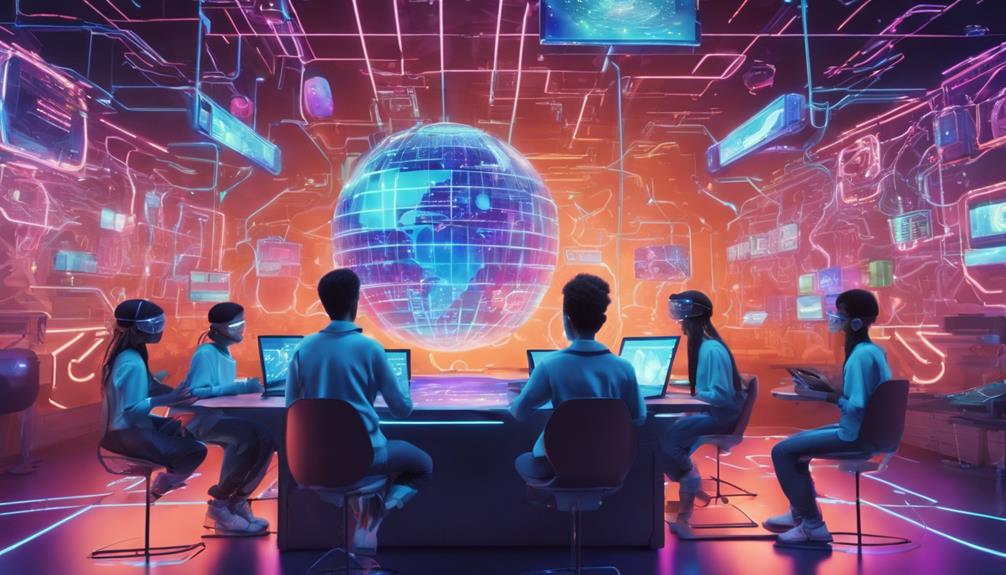
Technology has transformed the education landscape, revolutionizing traditional classrooms into immersive, interactive, and inclusive learning environments. Smart Boards, multimedia resources, and adaptive tools enable personalized learning experiences, enhancing accessibility for students with disabilities. Virtual learning environments cater to diverse learners, and online education offers flexibility and accessibility. Interactive teaching methods, gamification, and virtual field trips engage students, while data-driven instructional design and enhanced collaboration promote critical thinking and problem-solving skills. As tech continues to evolve, the possibilities for innovation in education become endless, and the future of learning looks brighter than ever.
Revolutionizing the Classroom Experience
Integrating technology into the classroom experience is revolutionizing the way students learn, interact, and engage with educational content. The traditional chalkboard has given way to interactive Smart Boards, which enable teachers to create immersive lessons that captivate students' attention. With a few swipes and taps, teachers can access a vast array of multimedia resources, making complex concepts more accessible and engaging.
However, harnessing the full potential of technology requires more than just installing new hardware. Effective teacher training is pivotal to guarantee a seamless integration of technology into the curriculum. Teachers need to be equipped with the skills to design and deliver technology-enhanced lessons that promote deeper learning and understanding. This necessitates ongoing professional development that focuses on building teachers' confidence and competence in using educational technology.
When teachers are adequately trained, they can unleash the full potential of technology to create personalized learning experiences that cater to diverse learning styles. By leveraging technology, teachers can facilitate collaborative learning, encourage critical thinking, and provide instant feedback – all of which are essential for preparing students to thrive in an increasingly digital world. As educators continue to harness the power of technology, they’re opening up new opportunities for students to succeed, and ultimately, shaping the future of education. Moreover, the integration of technology in the classroom can also support sustainable education initiatives that promote environmental awareness and social responsibility. By employing digital tools, teachers can guide students in researching global challenges and developing innovative solutions that contribute to a more sustainable future. This forward-thinking approach not only enriches the learning experience but also empowers students to become proactive citizens who are equipped to tackle the pressing issues of their time.
Accessibility for All Learners
Technology has democratized access to education by providing adaptive tools that empower teachers to create inclusive learning environments, where students with disabilities can engage with academic content on an equal footing. This shift has enabled educators to cater to diverse learning needs, fostering a culture of inclusivity and equity. Inclusive tools and assistive software have become essential components of modern education, bridging the gap between learners with disabilities and their peers.
Here are four ways technology is promoting accessibility in education:
- Text-to-Speech Software: Assistive software like NaturalReader and ClaroRead enable students with dyslexia or visual impairments to access written content through audio.
- Accessible Digital Content: Digital textbooks and online resources are being designed with accessibility features, such as font size adjustment and high contrast mode, to accommodate learners with visual impairments.
- Speech-to-Text Tools: Tools like Dragon NaturallySpeaking and Apple Dictation enable students with mobility or dexterity impairments to express themselves through written communication.
- Virtual Learning Environments: Online platforms and learning management systems are being designed to accommodate students with disabilities, providing equal access to educational resources and opportunities.
Personalized Learning Made Easy
As educators aim to create tailored learning experiences, technology integration plays a pivotal role in making personalized learning a reality. By leveraging digital tools, teachers can create diversified learning paths that cater to individual students' needs and abilities. This approach is further enhanced by adaptive assessments that reveal a more precise understanding of students' strengths and weaknesses, enabling content to be tailored precisely to their requirements.
Learning Paths Diversified
By diversifying learning paths, educators can create personalized learning experiences that cater to individual students' needs, abilities, and learning styles. This approach empowers students to take ownership of their learning journey, exploring topics at their own pace and depth. Technology integration plays a pivotal role in facilitating this diversification, providing educators with the tools to design tailored learning experiences.
To achieve this level of personalization, educators can leverage the following strategies:
- Skill trees: Visual representations of learning objectives, allowing students to navigate and explore concept connections.
- Learning portfolios: Digital collections of student work, showcasing progress and achievements over time.
- Adaptive resources: Interactive materials that adjust complexity and content based on student performance and learning style.
- Micro-learning modules: Bite-sized lessons that cater to different learning styles, such as video, text, or interactive simulations.
Adaptive Assessments Unlocked
Educators can liberate themselves from the constraints of traditional, one-size-fits-all assessments by harnessing the power of adaptive assessments, which dynamically adjust their level of difficulty and content in real-time to provide a more thorough measure of student knowledge. This innovative approach enables teachers to pinpoint areas where students need extra support, allowing for targeted interventions and data-driven instruction. With adaptive assessments, educators can tap into formative insights, gaining a deeper understanding of student strengths and weaknesses. By analyzing these insights, teachers can create personalized learning paths tailored to each student's unique needs. Additionally, adaptive assessments enable skill profiling, providing a detailed picture of student proficiency across various subjects and skills. This detailed level of insight enables educators to identify knowledge gaps and address them proactively. By leveraging adaptive assessments, educators can access a more efficient and effective approach to teaching, one that's tailored to the unique needs of each student.
Content Tailored Precisely
With adaptive assessments providing a detailed understanding of student strengths and weaknesses, teachers can now tailor educational content precisely to individual needs, creating personalized learning paths that cater to each student's unique requirements. This tailored approach enables teachers to create customized lesson plans that align with curriculum standards, ensuring that learning objectives are met with precision.
To take it to the next level, educators can leverage technology to:
- Curate relevant content: Align educational resources with specific learning objectives, ensuring that students receive targeted instruction.
- Adjust instructional pace: Accelerate or decelerate the learning pace based on individual student needs, promoting optimal understanding and retention.
- Provide real-time feedback: Offer instant assessment and feedback, enabling students to adjust their approach and stay on track.
- Monitor progress: Track student progress, identifying areas of strength and weakness, and adjusting instruction accordingly.
The Rise of Online Learning
Online learning has become an increasingly popular alternative to traditional classroom instruction, offering students the flexibility to learn at their own pace and on their own schedule. This shift towards online education has led to a significant increase in the number of students pursuing virtual degrees, which are now being offered by top universities worldwide. With the rise of online learning, digital mentorship has also become an essential aspect of the educational experience. These benefits of online learning include access to a broader range of courses and resources, allowing students to tailor their education to their personal interests and career goals. Moreover, online platforms often incorporate interactive tools and collaborative projects, enhancing engagement and fostering a sense of community among learners. As technology continues to evolve, the opportunities for innovation in online education will likely expand, making it an even more viable option for future generations.
Institutions are now investing heavily in creating robust online platforms that facilitate seamless communication between students and instructors. This digital mentorship allows students to receive personalized guidance and feedback, ensuring they stay on track with their studies. Additionally, online learning platforms are now equipped with advanced analytics, enabling instructors to track student progress and identify areas where students need additional support.
The rise of online learning has also led to increased accessibility, allowing students from diverse backgrounds and locations to access quality education. This, in turn, has led to a more diverse and inclusive learning environment, where students can engage with peers from all over the world. As online learning continues to evolve, it's clear that it's here to stay, offering students a flexible, personalized, and accessible way to achieve their academic goals.
Interactive Teaching Methods
As educators explore innovative ways to captivate students, interactive teaching methods have become a key focus in tech-integrated classrooms. By incorporating engaging virtual classrooms, teachers can create immersive experiences that foster collaboration and participation. Additionally, gamification in learning has shown great promise in boosting student motivation and academic performance.
Engaging Virtual Classrooms
Teachers incorporating interactive elements, such as gamification, simulations, and multimedia, into their virtual classrooms are more likely to captivate their students' attention and foster a deeper understanding of the material. This engaging approach enables educators to create an immersive learning experience, breaking down geographical barriers and providing equal access to education. By leveraging technology, teachers can establish virtual mentorship, guiding students through complex topics and encouraging active participation.
To create an engaging virtual classroom, consider the following strategies:
- Establish virtual etiquette: Set clear expectations for online behavior, promoting respectful interactions and maintaining a professional tone.
- Use multimedia content: Incorporate videos, images, and audio files to convey complex concepts, making them more accessible and engaging.
- Foster collaboration: Encourage students to work in virtual groups, promoting teamwork and problem-solving skills.
- Provide real-time feedback: Utilize digital tools to offer immediate feedback, enabling students to track their progress and adjust their learning strategies accordingly.
Gamification in Learning
By incorporating game design elements, educators can transform traditional lessons into engaging, competitive, and rewarding experiences that motivate students to learn and achieve more. Gamification in learning is a powerful tool that leverages human psychology to drive student engagement and motivation. By introducing Reward Systems, educators can create a sense of accomplishment and recognition among students, encouraging them to aim for excellence. Learning Quests, for instance, provide a structured framework for students to progress through a series of challenges, fostering a sense of progression and achievement. This approach not only boosts student motivation but also enhances their problem-solving skills, critical thinking, and collaboration. Additionally, gamification in learning enables educators to track student progress, identify knowledge gaps, and tailor their instruction to meet individual needs. By harnessing the power of gamification, educators can create a dynamic and immersive learning environment that inspires students to take ownership of their learning journey.
Gamification in Education
Gamification, a growing trend in education, leverages the psychological aspects of game design to engage students and boost their motivation to learn. By incorporating elements of game play, educators can tap into the intrinsic motivation of students, encouraging them to take ownership of their learning. This approach has been shown to increase student engagement, improve academic performance, and enhance the overall learning experience.
Here are four ways gamification is revolutionizing education:
- Motivation metrics: Gamification platforms provide real-time feedback on student progress, allowing educators to track motivation metrics and adjust their teaching strategies accordingly.
- Skill trees: By creating a visual representation of skills and knowledge, educators can help students see the connections between different concepts and build a roadmap for their learning journey.
- Friendly competition: Gamification encourages healthy competition among students, fostering a sense of community and promoting collaborative learning.
- Personalized learning paths: Gamification platforms can adapt to individual learning styles, providing tailored lessons and activities that cater to each student's unique needs and abilities.
Virtual Field Trips Unleashed
Virtual field trips are transforming the way students explore and interact with complex concepts, allowing them to venture into immersive, realistic environments that simulate real-world experiences. This innovative approach is redefining the traditional classroom, where students can now partake in Digital Expeditions that transcend geographical boundaries. As Virtual Explorers, they can immerse themselves in the depths of the ocean, investigate the ancient ruins of Machu Picchu, or even visit the surface of Mars – all from the comfort of their classroom.
These virtual journeys are not only engaging but also offer a more personalized and interactive learning experience. Students can manipulate virtual objects, collect data, and conduct experiments in a safe and controlled environment. Additionally, virtual field trips cater to diverse learning styles, allowing students to absorb information through visual, auditory, and kinesthetic means. This flexibility enables teachers to tailor their instruction to meet the unique needs of their students, fostering a more inclusive and effective learning environment.
Flipped Classrooms for Success
In the flipped classroom model, educators are reinventing traditional learning by reversing the typical lecture-homework format. By providing video lectures and readings at home, students can work on activities and projects in class, enhancing student engagement and promoting a more interactive learning environment. This innovative approach enables teachers to offer personalized support and feedback, leading to improved student outcomes.
Reinventing Traditional Learning
Teachers are revolutionizing traditional learning environments by adopting flipped classrooms, where students absorb core material at home and engage in collaborative, project-based learning during class time. This innovative approach enables educators to tailor instruction to individual needs, fostering deeper understanding and improved outcomes. By reversing the traditional lecture-homework format, teachers can create more interactive and immersive experiences, bridging the Digital Divide and promoting inclusivity.
To maximize the effectiveness of flipped classrooms, educators can:
- Leverage Learning Analytics to track student progress and identify areas for improvement.
- Create personalized learning paths tailored to individual students' needs and learning styles.
- Incorporate multimedia resources to engage students and enhance comprehension.
- Foster collaborative learning environments that encourage peer-to-peer support and knowledge sharing.
Enhancing Student Engagement
By reversing the traditional lecture-homework format, flipped classrooms empower educators to craft engaging, interactive experiences that captivate students' attention and foster a deeper connection with the material. This innovative approach ignites student motivation, as learners take an active role in their education, exploring concepts and solving problems in a collaborative environment. Teachers, in turn, receive instant feedback, allowing them to tailor their instruction to meet the unique needs of their students. With the flipped classroom model, educators can focus on providing individualized support, offering targeted guidance, and facilitating meaningful discussions. By leveraging technology to deliver instruction, teachers can free up class time for hands-on activities, project-based learning, and dynamic group work. As a result, students develop essential skills, such as critical thinking, creativity, and communication, preparing them for success in the 21st century. By harnessing the power of flipped classrooms, educators can unlock the full potential of their students, fostering a love of learning that lasts a lifetime.
Data-Driven Instructional Design
Educators harness the power of data to inform instructional design, creating targeted lessons that address specific student needs and skill gaps. By leveraging learning analytics, teachers can identify areas where students require additional support, and tailor their instruction to meet those needs. This data-driven approach enables educators to exercise teacher autonomy, taking ownership of their instructional design and making informed decisions about curriculum mapping.
To successfully integrate data-driven instructional design, educators should focus on the following key areas:
- Developing data literacy: Educators must be able to collect, analyze, and interpret data to inform their instruction.
- Aligning with educational frameworks: Instructional design should be grounded in established educational frameworks, ensuring alignment with learning objectives and standards.
- Curriculum design and mapping: Educators should use data to inform curriculum design, mapping learning objectives to specific instructional strategies and assessments.
- Selecting effective instructional models: By analyzing data, educators can identify the most effective instructional models for their students, and adapt their instruction accordingly.
Enhanced Student Collaboration
Technology integration in the classroom fosters enhanced student collaboration, as students work together to solve complex problems and share knowledge in a virtual learning environment. By leveraging collaborative tools, students can share resources, exchange ideas, and receive peer feedback in real-time. This leads to a more dynamic and interactive learning experience, where students can learn from one another's strengths and weaknesses.
In a tech-integrated classroom, students can work together on projects, share documents, and engage in discussions using online platforms. Collaborative tools, such as Google Classroom, Trello, or Asana, enable students to assign tasks, track progress, and set deadlines. This promotes accountability, organization, and time management skills. Additionally, peer feedback and peer review become more accessible, allowing students to receive constructive criticism and suggestions from their peers.
The benefits of enhanced student collaboration are numerous. It promotes critical thinking, problem-solving, and communication skills. It also helps to break down social barriers, as students from diverse backgrounds work together towards a common goal. By integrating technology into the classroom, educators can create a more inclusive, engaging, and effective learning environment. As a result, students develop essential skills that prepare them for success in an increasingly interconnected world.
Breaking Down Language Barriers
Language barriers, a long-standing obstacle to effective learning, are crumbling in the face of innovative educational technologies. With the world becoming increasingly interconnected, the need to cater to linguistic diversity has never been more pressing. Fortunately, technology is rising to the challenge, providing a range of innovative solutions to break down language barriers and foster cultural sensitivity.
Thanks to advanced translation tools, language learning platforms, and multimedia resources, educators can now reach students from diverse linguistic backgrounds more effectively. This not only promotes inclusivity but also enhances the overall learning experience. Here are just a few ways technology is bridging the language gap:
- Real-time translation: AI-powered translation tools enable instant language conversion, facilitating seamless communication between teachers and students.
- Personalized language learning: Adaptive learning platforms offer tailored language instruction, catering to individual students' needs and learning styles.
- Multilingual resources: Educational multimedia content is now available in multiple languages, ensuring equal access to knowledge for students worldwide.
- Virtual language exchange programs: Online platforms connect students from diverse linguistic backgrounds, fostering cross-cultural understanding and language proficiency.
Frequently Asked Questions
How Do Teachers Prevent Tech Distractions in the Classroom?
Teachers set clear tech boundaries to prevent digital distractions in the classroom. They establish digital discipline by outlining acceptable tech use, ensuring students stay focused on lesson plans. By communicating these expectations, teachers empower students to manage their own tech habits, fostering a productive learning environment. With clear guidelines, students learn to prioritize tasks, avoiding digital temptations that hinder academic performance. Effective teachers maintain authority, promoting responsible tech use that enhances, not hinders, education.
Can Online Learning Platforms Ensure Student Data Privacy?
In the digital domain, a veil of secrecy shrouds student data, posing the question: can online learning platforms guarantee student data privacy? The answer lies in the strengthening of data encryption, a digital shield that safeguards sensitive information. Additionally, parental consent acts as an essential gatekeeper, granting permission for data collection. By embracing these measures, online platforms can safeguard the sanctity of student data, nurturing trust among parents and educators alike.
What Is the Ideal Student-To-Device Ratio in a Classroom?
She asserts that the ideal student-to-device ratio in a classroom hinges on Device Accessibility and its impact on Classroom Dynamics. A 1:1 ratio allows for personalized learning, but 2:1 or 3:1 can foster collaboration and social skills. Ultimately, the most favorable ratio depends on the teacher's instructional style and the learning objectives. By striking a balance, educators can harness technology to enhance, rather than dictate, the learning experience.
How Can Educators Balance Tech With Hands-On Learning Activities?
"A million educational apps can't replace the magic of hands-on learning! Educators must strike a balance between tech and tactile experiences. They can do this by incorporating sensory exploration into project-based learning activities. By combining digital tools with real-world applications, students engage on a deeper level. This fusion of tech and hands-on learning cultivates a more immersive, interactive, and effective educational experience, empowering students to thrive in a rapidly changing world."
Are There Any Limitations to Virtual Field Trip Experiences?
She acknowledges that virtual field trip experiences, while innovative, have limitations. One major constraint is virtual fatigue, where students experience mental exhaustion from prolonged screen time. Technical glitches, such as connectivity issues or poor video quality, can also disrupt the experience. These limitations can hinder the effectiveness of virtual field trips, underscoring the necessity for educators to meticulously plan and execute these experiences to guarantee they remain engaging and interactive.