
To build better money habits, individuals should start by setting clear financial goals and creating a budget that they stick to. Automating savings helps establish consistent habits, as tracking spending provides insights into patterns. Using cash for discretionary expenses keeps spending in check. It’s additionally wise to review subscriptions to verify they align with personal goals. Educating oneself on personal finance strengthens financial literacy. By implementing these strategies, they can access further tips for financial success.
Article Highlights
- Set clear financial goals to provide direction and motivation for your spending and saving habits.
- Create and stick to a budget by tracking income and categorizing expenses for better financial awareness.
- Automate savings by setting up direct deposits to consistently build your savings without effort.
- Regularly review financial commitments to ensure they align with your goals and free up funds for more meaningful expenses.
- Celebrate small financial wins to reinforce positive habits and maintain motivation for achieving larger goals.
Set Clear Financial Goals

Setting clear financial goals is crucial for anyone looking to improve their money habits. By establishing a financial vision, individuals can create a roadmap that guides their spending and saving decisions. Goal setting helps clarify what they truly want to achieve, whether it’s saving for a vacation, paying off debt, or building an emergency fund. This process not only provides motivation but also promotes a sense of accountability. When goals are specific, measurable, and time-bound, it becomes easier to track progress and make adjustments as needed. In the end, having a well-defined financial vision empowers individuals to take control of their finances, ensuring they remain focused on their objectives as they develop healthier money habits over time. Additionally, adopting a savings mindset can significantly enhance the effectiveness of these financial goals.
Create a Budget and Stick to It
Creating a budget is one of the most effective ways for individuals to manage their finances and gain control over their spending. By implementing proper budgeting techniques, they can cultivate financial discipline and avoid unnecessary debt. Here are four crucial steps to create a budget and stick to it:
- Track Income and Expenses: Record all sources of income and categorize monthly expenses.
- Set Realistic Limits: Determine spending limits for each category based on past spending habits.
- Review and Adjust: Regularly evaluate the budget to confirm it meets financial goals and modify as necessary.
- Stay Committed: Remind oneself of the reasons for budgeting, reinforcing the importance of adhering to the plan for long-term success.
Additionally, embracing the 80/20 rule can help individuals focus on high-value expenses while maintaining financial balance.
With dedication, anyone can master their finances through effective budgeting.
Automate Your Savings
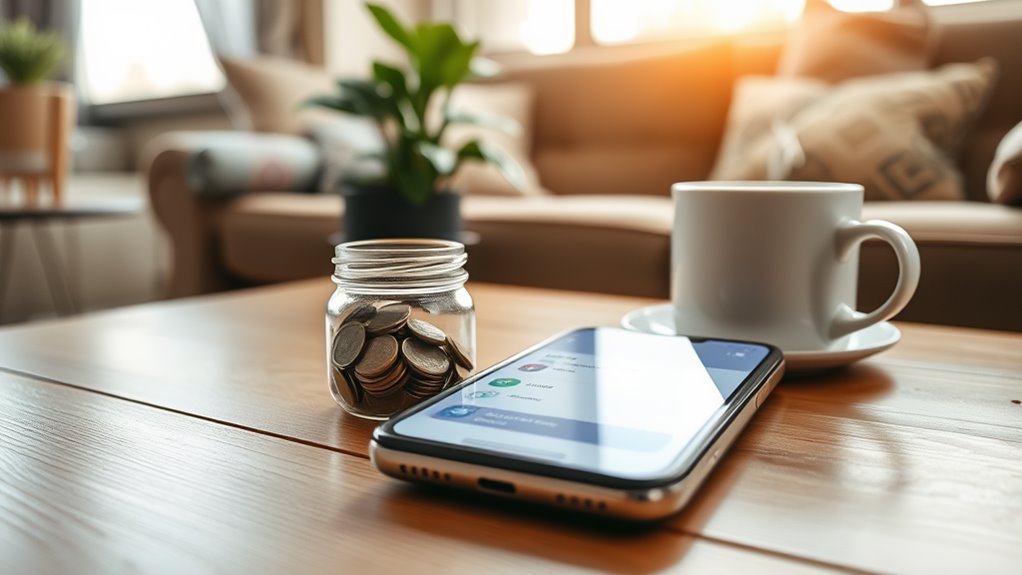
To improve their savings, individuals should consider automating the process. Setting up direct deposit can guarantee a portion of their paycheck goes straight into savings, as well as using savings apps can simplify tracking and growing those funds. By taking these steps, they can make saving a seamless part of their financial routine. Additionally, starting early with early search for scholarships can enhance financial stability by allowing individuals to secure funding opportunities that align with their educational goals.
Set Up Direct Deposit
One effective way to automate savings is by setting up direct deposit with your employer. This method not only simplifies the saving process but also showcases several direct deposit benefits. By having a portion of your paycheck automatically transferred to a savings account, you can build your savings effortlessly. Here are some key points to take into account when setting up direct deposit:
- Consistency: Regular deposits help maintain a steady savings habit.
- Financial security: Less cash on hand means less temptation to spend.
- Goal-oriented: Allocate specific amounts for different savings goals.
- Convenience: Direct deposit eliminates the need for manual deposits, saving time.
Ultimately, setting up direct deposit can greatly improve your financial health.
Use Savings Apps
As people seek to simplify their saving habits, using savings apps can be a transformative tool. These apps often come packed with valuable savings app features, like automatic transfers and goal-setting options, making it easier for users to save without thinking about it. Many of them analyze spending patterns, allowing for customized recommendations that improve the user experience. By automating savings, individuals can effortlessly set aside money for emergencies, vacations, or future investments. This not only helps in achieving financial goals but additionally cultivates a sense of accountability. With the right savings app, users can track their progress and stay motivated, turning saving into a seamless part of their everyday routine.
Track Your Spending
Tracking spending is crucial for anyone looking to improve their financial habits. By monitoring daily expenses and utilizing budgeting apps, individuals can gain valuable insights into their spending patterns. This awareness not merely helps in making informed decisions but likewise in achieving long-term financial goals. Additionally, understanding cash flow management can provide insights into optimizing resource allocation for better financial outcomes.
Monitor Daily Expenses
Though managing finances can feel overwhelming, monitoring daily expenses is a crucial step toward developing better money habits. By focusing on expense tracking, individuals can gain a clearer picture of their spending patterns. Here are four effective strategies to improve daily budgeting:
- Keep Receipts: Collect all receipts to have a tangible record of expenses.
- Use a Notebook: Write down daily purchases, which helps reinforce awareness of spending habits.
- Review Weekly: Set aside time each week to analyze spending and identify areas for improvement.
- Set Spending Limits: Establish daily or weekly spending limits for different categories, promoting mindful spending.
Use Budgeting Apps
Using budgeting apps can greatly simplify the process of tracking spending, allowing individuals to gain better control over their finances. These apps often come with budgeting app features like expense categorization, real-time alerts, and goal setting, making it easier to visualize spending habits. Many of the best budgeting apps also integrate bank accounts, offering a thorough view of one’s financial environment. By regularly monitoring expenses through these tools, users can identify areas for improvement and adjust their habits accordingly. In addition, the convenience of mobile accessibility means individuals can track their spending anytime, anywhere. Ultimately, embracing budgeting apps can lead to smarter financial decisions and healthier money habits for anyone looking to improve their financial well-being.
Use Cash for Discretionary Expenses

When individuals opt to use cash for discretionary expenses, they often find it easier to stick to their budgets. By implementing a cash envelope system, they promote expense awareness and financial discipline. This approach encourages mindful spending and helps them visualize their limits.
Here are four tips to improve this practice:
- Set Spending Limits: Determine a specific amount for each category, like entertainment or dining.
- Use Cash Rewards: Choose cash-back options when possible to maximize savings.
- Engage in Tangible Transactions: Physically handling cash makes individuals more aware of their spending.
- Adopt a Budgeting Mindset: Regularly review and adjust envelopes to reflect changing needs and goals.
This method cultivates a healthier relationship with money.
Review Subscriptions and Memberships
As individuals endeavor to build better money habits, reviewing subscriptions and memberships can reveal hidden expenses that silently drain their budgets. Many people sign up for various services without realizing how these costs accumulate over time. A thorough membership evaluation can help identify which subscriptions are truly valuable and which can be eliminated. By conducting a subscription cancellation for those underused or unnecessary services, individuals can free up funds for more meaningful expenses. It is crucial to regularly assess these commitments, ensuring they align with personal goals and financial health. This simple yet effective strategy empowers individuals to take control of their finances, making room for smarter spending habits and a more sustainable budget. Additionally, embracing a cash-only lifestyle can further enhance financial discipline and provide clarity in managing expenses.
Educate Yourself on Personal Finance
After reviewing subscriptions and memberships, individuals can take their financial health a step further by educating themselves on personal finance. Building financial literacy is essential for making informed decisions. Here are some key areas to focus on:
- Budgeting: Learn to create and stick to a budget that aligns with financial goals.
- Debt Management: Understand various strategies to manage and reduce debt effectively.
- Investment Basics: Get familiar with stocks, bonds, and mutual funds to grow wealth over time.
- Retirement Planning: Start planning for retirement early to guarantee financial security in later years. Furthermore, cultivating financial literacy is crucial for empowering individuals to make informed choices and reduce financial stress.
Celebrate Small Wins
Celebrating small wins can greatly boost motivation and reinforce positive financial habits. When individuals take the time to acknowledge their progress, it encourages them to continue on their financial expedition. They can celebrate milestones such as saving a specific amount or sticking to a budget for a month. Rewarding progress, no matter how small, helps maintain momentum and nurtures a positive mindset. Additionally, adopting mindful consumption can enhance financial well-being by promoting thoughtful spending habits.
| Milestone Achieved | Reward | Date |
|---|---|---|
| Saved $100 | Treat yourself | 01/01/2023 |
| Stuck to budget | Movie night | 01/15/2023 |
| Paid off a bill | New book | 02/01/2023 |
| Increased savings | Weekend trip | 02/15/2023 |
| Reached a goal | Dinner out | 03/01/2023 |
Frequently Asked Questions
How Do I Stay Motivated to Stick to My Financial Goals?
Staying motivated to stick to financial goals can feel like climbing a steep mountain. To make the expedition easier, he should practice goal visualization, picturing the rewards of his efforts. Finding accountability partners can likewise help; sharing progress with someone can boost motivation and commitment. By regularly revisiting his goals and celebrating small victories, he’ll keep his spirits high and stay on track, making the climb less intimidating and more rewarding.
What Are Some Effective Budgeting Apps to Consider?
In terms of effective budgeting apps, there’re several great options available. Many users find tools like Mint and YNAB (You Need A Budget) helpful for tracking expenses and managing budgets. These budgeting tools allow users to set financial goals and monitor spending habits easily. Furthermore, apps like PocketGuard and EveryDollar serve as excellent expense trackers, ensuring users stay on top of their finances as they make informed decisions about their money.
How Often Should I Review My Budget?
In regards to reviewing a budget, experts recommend conducting monthly reviews. This regular check-in allows individuals to assess their spending patterns and make necessary budget adjustments. By analyzing their financial situation each month, they can identify areas for improvement and guarantee they’re staying on track with their financial goals. Consistent reviews not just improve accountability but additionally empower individuals to adapt their strategies as circumstances change.
Can I Still Have Fun While Saving Money?
When considering whether one can still have fun during saving money, the answer is a resounding yes. With effective saving strategies, enjoying life doesn’t have to take a backseat. By prioritizing budget-friendly fun activities, individuals can strike a balance between leisure and financial responsibility. They can explore local events, host game nights, or find free outdoor adventures. With a little creativity, saving money and having a great time can coexist harmoniously.
What Are Some Common Budgeting Mistakes to Avoid?
In terms of budgeting, many people often throw caution to the wind. Common budgeting pitfalls include failing to track expenses, which can lead to financial overspending. Furthermore, not setting realistic goals can derail their plans. It’s essential to overlook small expenses, as they can add up quickly. Finally, neglecting to adjust the budget after changes in income or expenses can create unnecessary stress. Avoiding these mistakes can pave the way for better financial health.