Innovative agricultural practices are essential for a greener future. Precision farming, which leverages technologies like GPS and drones, increases yields while reducing waste. Regenerative agriculture promotes soil health and biodiversity, and vertical farming maximizes space while minimizing water consumption. Crop rotation and sustainable water management systems are also key. By adopting these practices, farmers can reduce their environmental impact while producing high-quality crops. As the world continues to evolve, so do the methods for growing a sustainable food system – and there's more to explore in the journey towards a greener future.
Precision Farming for Increased Yields
By leveraging advanced technologies like GPS, drones, and satellite imaging, farmers can adopt precision farming practices that maximize crop yields while minimizing waste and environmental impact. This innovative approach enables farmers to gather precise data on soil conditions, crop health, and weather patterns, allowing them to make informed decisions about irrigation, fertilization, and pest control. With farm robotics, farmers can automate tasks such as pruning, planting, and harvesting, reducing labor costs and increasing efficiency.
Data analytics plays a critical role in precision farming, as it enables farmers to analyze large amounts of data and identify trends and patterns that can inform their decision-making. By analyzing data on soil moisture levels, temperature, and crop growth, farmers can optimize their farming practices to achieve maximum yields while minimizing waste. For instance, data analytics can help farmers identify areas of the farm where crops are under stress, allowing them to target their irrigation and fertilization efforts more effectively.
Regenerative Agriculture in Action
As farmers shift towards regenerative agriculture, they're adopting practices that not only enhance soil health but also promote ecosystem services, biodiversity, and resilient agroecosystems. This approach focuses on working with nature, rather than against it, to create a more sustainable food system.
Regenerative agriculture in action involves several key strategies that benefit both the environment and farmers. Some of the most effective methods include:
- Cover Crop Strategies: Planting cover crops in between cash crops helps to reduce soil erosion, increase organic matter, and provide habitat for beneficial insects.
- Agroforestry Benefits: Integrating trees into farming systems promotes biodiversity, improves soil health, and creates additional income streams for farmers.
- Minimum Tillage: Reducing tillage helps to preserve soil structure, reduce erosion, and promote soil biota.
- Rotational Grazing: Moving livestock to fresh pastures regularly enhances soil carbon sequestration, reduces soil compaction, and increases livestock productivity.
Vertical Farming Urban Revolution
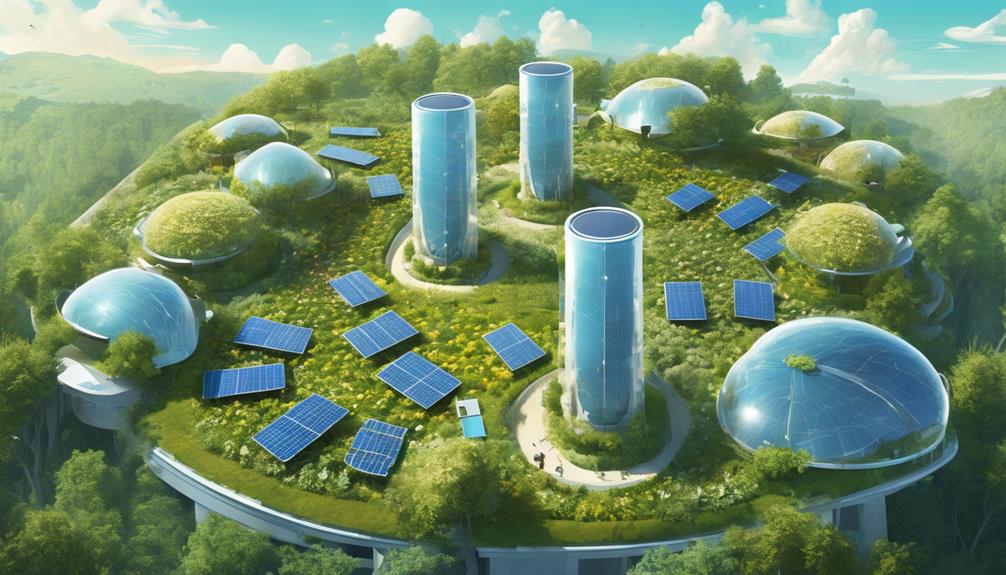
Urban agriculture is experiencing a significant transformation, with vertical farming emerging as a groundbreaking approach to grow fresh produce in the midst of bustling cities. This innovative method not only increases crop yields but also reduces the environmental impact of traditional farming practices. By stacking layers of crops vertically, vertical farming maximizes space, reduces water consumption, and eliminates the need for pesticides and fertilizers.
As cities continue to grow, urban planning must adapt to incorporate sustainable agricultural practices. Green roofs, once a novelty, are now becoming a staple in urban architecture. These living roofs provide insulation, reduce stormwater runoff, and create habitats for urban wildlife. Additionally, they offer a unique opportunity for urban agriculture, allowing cities to produce fresh produce locally, reducing transportation emissions and increasing food security.
| Benefits | Challenges | Solutions |
|---|---|---|
| Increased crop yields | High initial investment | Government incentives for vertical farming startups |
| Reduced water consumption | Limited access to natural light | LED lighting technology for indoor farming |
| Reduced environmental impact | High energy consumption | Renewable energy sources for vertical farms |
| Increased food security | Limited public awareness | Educational programs and workshops on vertical farming |
As the world's population becomes increasingly urbanized, innovative agricultural practices like vertical farming will play an essential role in shaping the future of our cities. By embracing this revolution, we can create a more sustainable, self-sufficient, and food-secure urban landscape.
Crop Rotation for Soil Health
Crop rotation, a timeless agricultural technique, breathes new life into exhausted soil, rejuvenating its fertility and structure. By alternating between different crops, farmers can break disease and pest cycles, improve soil health, and boost biodiversity. This simple yet effective practice has been used for centuries, but its benefits are more vital than ever in today's agricultural landscape.
Crop rotation offers numerous benefits, including:
- Soil aeration: By changing the rooting depth and growth habits of crops, soil aeration is improved, allowing for better water infiltration and reduced soil compaction.
- Microbial diversity: Crop rotation fosters a diverse range of microorganisms, which are essential for decomposing organic matter, fixing nitrogen, and fighting plant diseases.
- Nutrient cycling: Different crops have varying nutrient requirements, and rotating them helps to balance nutrient levels, reducing the need for synthetic fertilizers.
- Pest and disease management: By breaking the life cycle of pests and diseases, crop rotation reduces the reliance on chemical pesticides and fungicides, promoting a healthier ecosystem.
Sustainable Water Management Systems
Farmers are adopting sustainable water management systems to optimize their water usage, reducing their environmental footprint and ensuring a resilient agricultural future. By implementing innovative water-saving techniques, farmers can greatly reduce their water consumption, making their operations more sustainable and environmentally friendly.
One such technique is drip irrigation, which delivers water directly to the roots of plants, reducing evaporation and runoff. This method allows farmers to irrigate their crops with precision, minimizing waste and conserving water. Additionally, drip irrigation promotes healthy plant growth, as plants receive the exact amount of water they need, when they need it.
Rainwater harvesting is another sustainable water management practice gaining popularity. By collecting and storing rainwater, farmers can supplement their irrigation needs, reducing their reliance on municipal water supplies. This approach not only conserves water but also reduces the energy required to treat and transport water. Moreover, rainwater harvesting can help mitigate flood risks and reduce stormwater runoff, making it a win-win for both farmers and the environment.
Frequently Asked Questions
Can Genetically Modified Crops Be Used in Regenerative Agriculture?
She argues that genetically modified crops can, in fact, be used in regenerative agriculture. Gene editing allows for precise modifications, enabling crops to thrive in challenging environments while maintaining crop diversity. This approach can increase yields, reduce pesticides, and promote ecosystem services. By embracing genetically modified crops, regenerative agriculture can become more resilient and sustainable, ultimately contributing to a greener future.
How Does Vertical Farming Impact Local Food Systems and Economies?
In the heart of concrete jungles, a revolutionary garden blooms, symbolizing hope for a sustainable future. Vertical farming transforms urban landscapes, boosting local food systems and economies. By increasing food production, urban agriculture addresses concerns of food security, providing fresh produce to urban dwellers. As a beacon of innovation, vertical farming illuminates the path to a greener tomorrow, where cities thrive on fresh, locally grown goodness.
Are There Any Government Incentives for Adopting Sustainable Agriculture Practices?
Governments worldwide are offering incentives to farmers adopting sustainable agriculture practices. They provide farm subsidies and green subsidies to encourage eco-friendly farming methods. For instance, the European Union's Common Agricultural Policy offers subsidies for organic farming and agro-ecological practices. Similarly, the US Department of Agriculture provides grants for farmers shifting to sustainable practices. These incentives not only benefit the environment but also boost local economies and promote food security.
Can Crop Rotation Be Used for Crops Other Than Corn and Soybeans?
She believes crop rotation can be applied to various crops beyond corn and soybeans. In fact, crop diversification through rotation strategies can enhance soil health, reduce pests, and increase yields for many crops. Farmers can rotate vegetables, fruits, and grains to minimize disease and pest buildup, promoting a more resilient and sustainable agricultural system. By adopting diverse rotation strategies, farmers can cultivate a thriving ecosystem.
What Role Do Cover Crops Play in Maintaining Soil Health?
She emphasizes that cover crops play a crucial role in maintaining soil health. By incorporating cover crops, farmers can improve soil aeration, allowing oxygen to penetrate deeper into the soil. This, in turn, supports microbial diversity, which breaks down organic matter and recycles nutrients. As a result, soil structure and fertility are enhanced, creating a thriving ecosystem that benefits future crops.