To create an urban garden oasis, they begin by evaluating their space, observing sunlight patterns and microclimates to guide plant selection. They choose plants that thrive in urban conditions, incorporating textures, colors, and fragrances for a sensory experience. By designing for serenity, incorporating sound barriers and mindfulness zones, and utilizing vertical space with trellises and wall-mounted planters, they can transform small spaces into lush retreats. Adding decorative elements like statues, birdbaths, and water features completes the ambiance. As they carefully balance these elements, they'll uncover the secrets to crafting a tranquil urban haven that's uniquely their own, and discover even more ways to cultivate serenity.
Assessing Your Urban Space
Before designing an urban garden oasis, she assesses her outdoor space, taking stock of the unique challenges and opportunities presented by her urban landscape. This essential first step helps her identify the site's strengths and weaknesses, informing her design decisions and ensuring a thriving oasis.
She begins by observing sunlight patterns, noting the direction and duration of sunlight exposure throughout the day. This knowledge will later guide her plant selection and placement, ensuring that each species receives the best amount of light.
Next, she considers the urban microclimates that exist within her outdoor space. She recognizes that tall buildings, pavement, and adjacent structures can create microclimates with distinct temperature and humidity profiles. By understanding these microclimates, she can adapt her design to mitigate their impact and create a more resilient oasis.
Choosing the Right Plants
She selects plants that not only thrive in her urban garden's specific conditions but also provide a sensory experience, incorporating a mix of textures, colors, and fragrances to create a dynamic oasis. By choosing plants with varying heights, shapes, and bloom times, she creates a visually appealing space that's engaging and dynamic. Drought-tolerant plants, such as succulents and sedums, are ideal for urban gardens, as they're low maintenance and can thrive in areas with limited water supply.
Incorporating pollinator-friendly plants, like bee balm and lavender, not only attracts beneficial insects but also adds a sweet fragrance to the garden. She also considers plants with interesting foliage, like coleus and heuchera, which add depth and visual interest to the space. Native plants, like coneflowers and black-eyed susans, are also great choices, as they're well-adapted to the local climate and require minimal care.
Designing for Serenity
To create a serene atmosphere in her urban garden oasis, she arranges the carefully selected plants in a way that invites relaxation and calmness. She considers the visual flow, ensuring that the plants are strategically placed to guide the eye through the garden, creating a sense of tranquility. By incorporating sound barriers, such as tall grasses or bamboo, she minimizes the impact of urban noise pollution, allowing the sounds of nature to take center stage.
Mindfulness zones are also carefully crafted to encourage meditation and contemplation. A focal point, like a water feature or sculpture, serves as a visual anchor, drawing the eye inward and promoting introspection. The thoughtful placement of seating areas, such as a hammock or bench, invites visitors to linger and unwind. Soft, diffused lighting is used to create ambiance, making the space feel cozy and intimate.
As she designs her urban garden oasis, she considers the sensory experiences that will evoke feelings of serenity. The rustle of leaves, the chirping of birds, and the gentle breeze all work together to create a sense of calm. By incorporating these elements, she crafts a haven that not only soothes the senses but also nourishes the soul. This carefully curated space becomes a refuge from the chaos of city life, a true oasis in the midst of concrete and steel.
Utilizing Vertical Space
By incorporating trellises, arbors, and wall-mounted planters, urban gardeners can maximize their vertical space, adding depth and visual interest to their oasis. This clever use of vertical real estate allows gardeners to make the most of their compact urban plots, creating a lush and vibrant atmosphere. One of the most innovative ways to utilize vertical space is through the creation of Living Walls, also known as Green Walls or Vertical Gardens. These stunning features involve training plants to grow upwards, using a trellis or wall-mounted system, creating a breathtaking display of foliage and color. Green Screens, another popular option, involve training vines or climbing plants to grow up a trellis or screen, providing a natural, leafy barrier between spaces. Not only do these features add visual appeal, but they also provide shade, improve air quality, and create habitats for urban wildlife. By thinking vertically, urban gardeners can transform even the smallest of spaces into thriving, three-dimensional oases. With a little creativity and some clever design, it's possible to turn a cramped city plot into a lush, vibrant retreat that's the envy of the neighborhood.
Adding Decorative Elements
Incorporating decorative elements, such as statues, birdbaths, and sundials, brings a touch of personality to the urban garden oasis, transforming it into a unique and inviting space that reflects the gardener's style. These decorative elements not only add visual appeal but also create a sense of serenity and tranquility, making the space perfect for relaxation and entertainment.
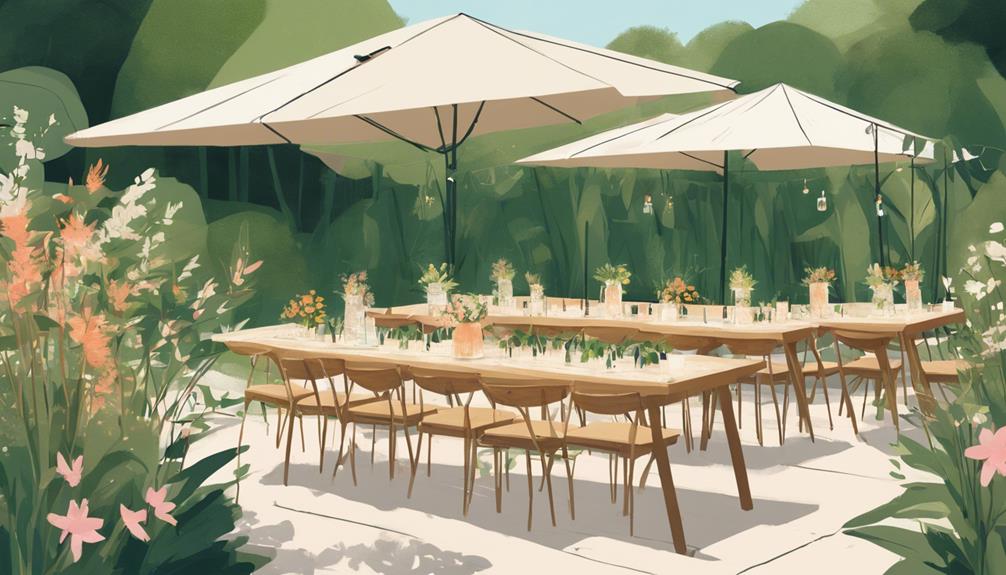
Lighting accents can also play an important role in enhancing the ambiance of the garden. Strategically placed string lights, lanterns, or tabletop torches can create a warm and cozy atmosphere, perfect for evening gatherings. Additionally, they can highlight specific features of the garden, such as a water feature or a statue, drawing attention to its beauty.
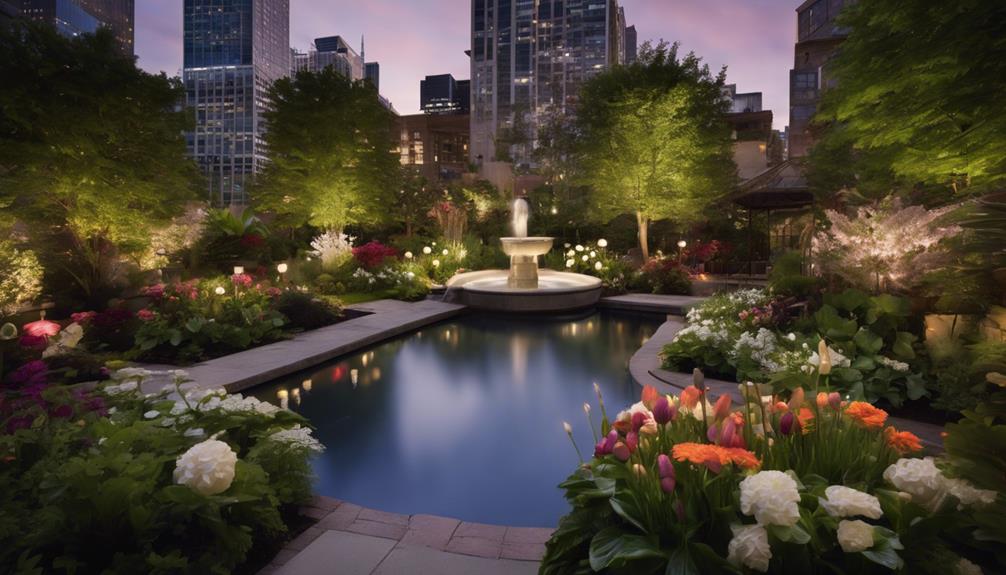
Water features, such as small ponds, fountains, or birdbaths, are another essential element in creating an urban garden oasis. The soothing sound of running water creates a calming atmosphere, blocking out the hustle and bustle of city life. Additionally, they can attract wildlife, such as birds and butterflies, adding to the garden's biodiversity.
Frequently Asked Questions
How Do I Keep Pests Out of My Urban Garden?
She keeps pests out of her urban garden by embracing natural deterrents and innovative techniques. She plants marigolds alongside tomatoes to deter nematodes, and basil with peppers to repel aphids. Using companion planting, she creates a balanced ecosystem, minimizing the need for chemicals. By incorporating these sustainable methods, she enjoys a thriving, pest-free garden that's as beautiful as it is bountiful.
Can I Grow an Urban Garden in a Shaded Area?
She can definitely create a thriving urban garden in a shaded area. She'll need to choose shade-tolerant plants like ferns, hostas, or impatiens that don't require direct sunlight. To maximize space, she can try vertical gardening using trellises, arbors, or wall-mounted planters. This innovative approach will allow her to make the most of her shaded space and enjoy a lush, vibrant garden despite the lack of direct sunlight.
How Often Should I Water My Urban Garden?
Like a gentle summer rain, watering is essential for a thriving urban garden. She checks the soil moisture daily, ensuring it's not too parched or waterlogged. A consistent water schedule is key, but it's not one-size-fits-all. She adjusts it based on weather forecasts, soil type, and plant needs. Aim for about 1-2 inches of water per week, either from rain or irrigation. By finding this delicate balance, her urban oasis will flourish, a verdant haven in the midst of concrete.
Can I Have a Dog in My Urban Garden?
She wonders if her furry friend can join the urban garden party. Absolutely! With dog-friendly plants like lavender and rosemary, her urban oasis can be pet-approved. By incorporating pet-accessible paths, she can guarantee her dog's paws stay clean and safe. By choosing the right plants and designing with pet-friendliness in mind, she can create a harmonious haven for both humans and canines to enjoy.
Do I Need a Permit to Create an Urban Garden?
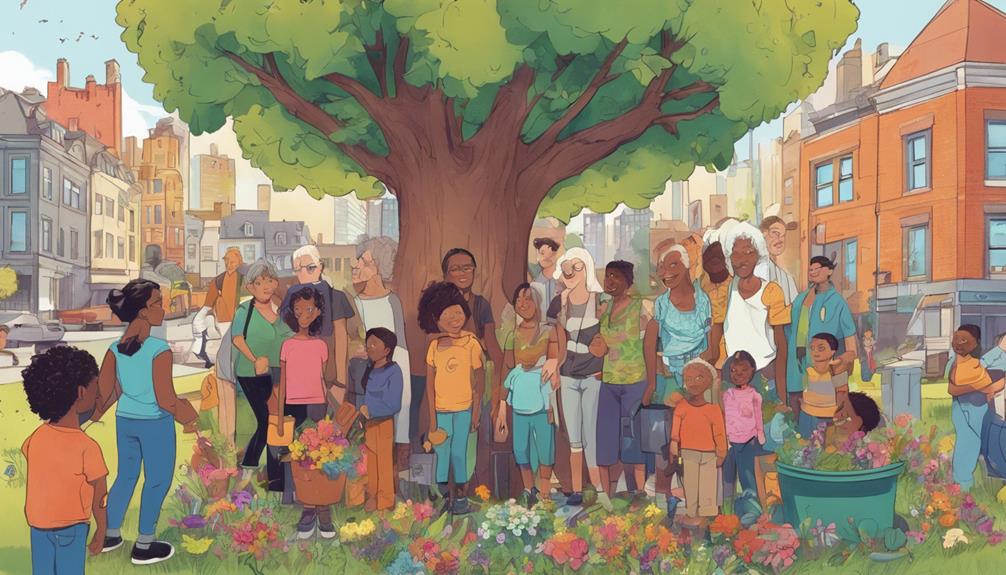
She’s surprised to learn that 90% of urban gardens operate without proper permits. When creating an urban garden, she needs to navigate zoning laws and neighborhood regulations. Before breaking ground, she must check with local authorities to guarantee compliance. Permits may be required for structures, water features, or even specific plant species. It’s essential to research and obtain necessary permits to avoid costly fines or even garden removal. She also discovers that many successful urban gardens have become vital community assets, contributing to community gardens and urban revitalization efforts. By fostering a sense of community and encouraging local participation, these gardens can transform neglected spaces into vibrant areas for social interaction and environmental sustainability. Thus, understanding and adhering to regulations not only protects her garden but also enhances its potential impact on the neighborhood.