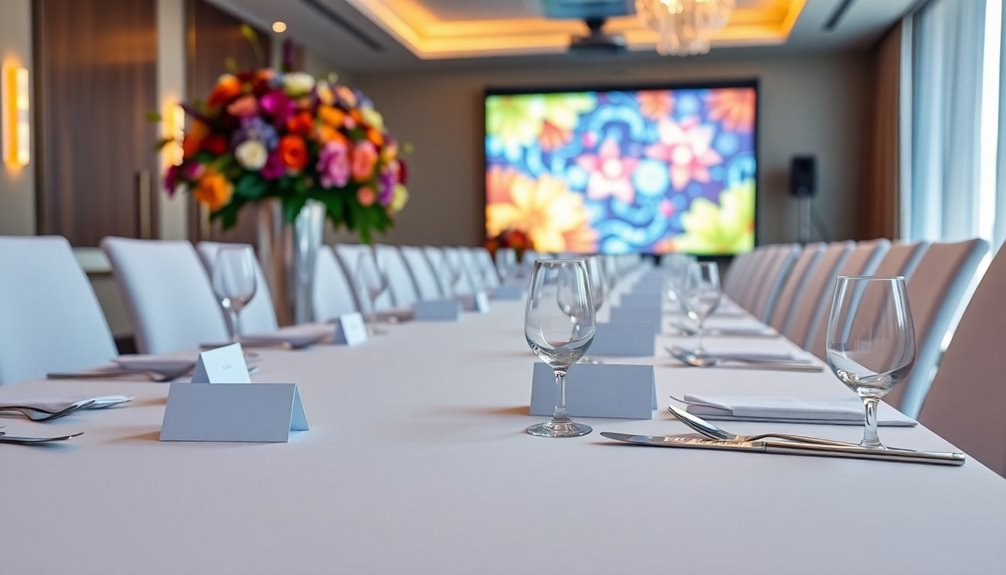
Event planning details can greatly boost a company’s image by focusing on strategic venue selection, cohesive branding, and engaging experiences. First impressions matter, and choosing a venue that aligns with the brand identity strengthens connections. Customized decor and interactive elements improve attendee engagement, as sustainability practices reflect corporate social responsibility. Collaborating with expert planners guarantees every detail resonates with the intended message. As companies explore these strategies, they’ll uncover more insights into effective planning and execution.
Article Highlights
- Select a venue that reflects your brand identity, enhancing attendees’ perceptions and creating a lasting impact.
- Incorporate tailored decor and branded elements to reinforce brand recognition and connect with your audience.
- Implement eco-friendly practices to align with corporate social responsibility goals, improving your company’s image.
- Utilize real-time analytics to monitor engagement, allowing for immediate adjustments that enhance attendee experiences.
- Define clear marketing objectives and leverage multiple channels to increase attendance and visibility, while tracking ROI for continuous improvement.
The Importance of Venue Selection in Event Planning
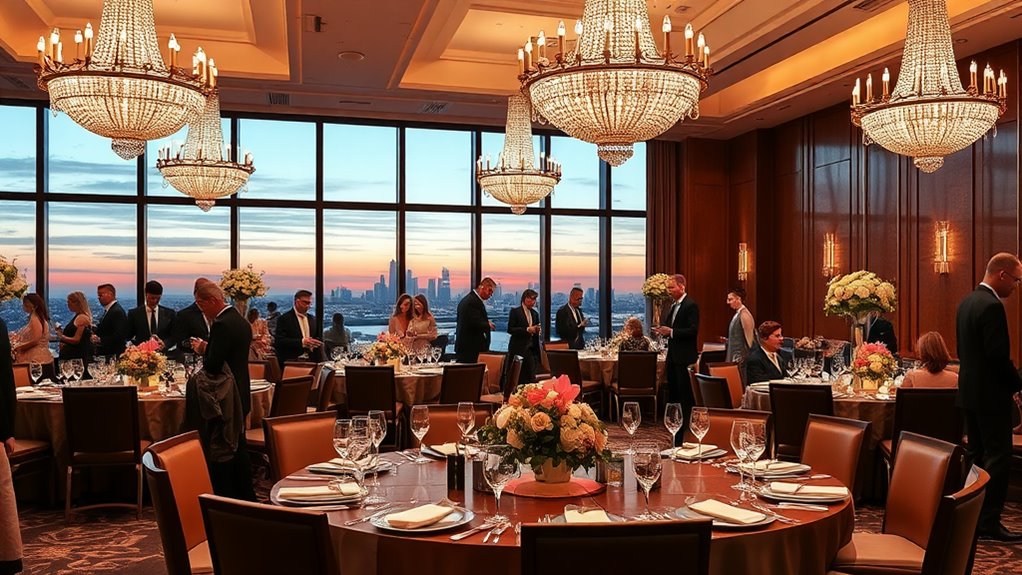
When planning an event, selecting the right venue isn’t just a logistical choice; it’s a critical element that shapes attendees’ perceptions of the brand. The venue selection should resonate with the company’s brand identity, enhancing brand perception and reinforcing its core values. Conducting site visits is vital, as experiencing a space firsthand allows for informed decisions that visuals alone can’t provide. A venue equipped with advanced AV systems and suitable layouts guarantees seamless event execution and boosts attendee engagement. By choosing a venue that mirrors the company’s image, planners create a lasting impact on attendees, cultivating connections and strengthening brand loyalty. In the end, the right venue selection is key to an innovative and memorable event experience.
Creating a Cohesive Brand Experience Through Decor
Creating a cohesive brand experience through decor is essential for leaving a lasting impression on attendees. Tailoring event decor to reflect the company’s color scheme improves brand recognition and creates a cohesive visual experience. Bespoke decor elements that resonate with the industry not just reinforce the brand’s identity but deepen the connection with the audience. Branded signage and customized table settings communicate values consistently, enriching the atmosphere. Emphasizing modern minimalism—clean lines and elegant arrangements—projects a polished corporate image that resonates with innovation. Furthermore, offering branded gifts serves as memorable takeaways, further solidifying the brand’s message long after the event. By focusing on these elements, companies can truly raise their brand and create unforgettable experiences. Additionally, establishing a strong online presence through strategic content creation can enhance the overall impact of the event beyond its duration.
Utilizing Interactive Elements to Engage Attendees
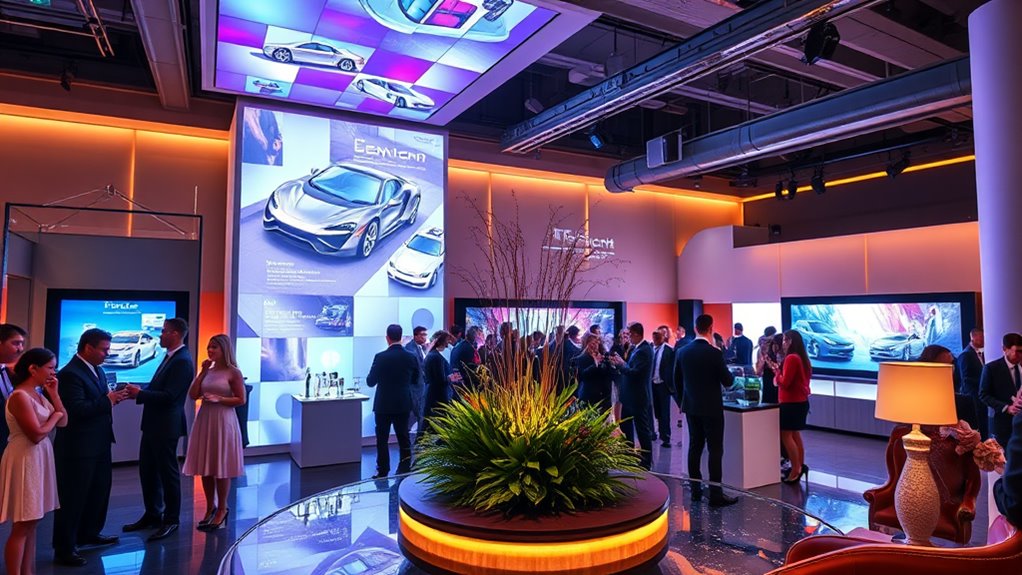
How can event planners improve attendee engagement? By incorporating interactive elements, they can transform corporate events into memorable experiences. Utilizing digital displays and touch-screen booths allows attendees to engage directly with brand messages, nurturing deeper connections. Live polls and Q&A sessions create a dynamic atmosphere where opinions are valued, enhancing overall participation. Gamification techniques, like scavenger hunts, not only boost engagement levels but likewise make events enjoyable and impactful. Furthermore, interactive walls for guest feedback provide insights into attendee perceptions, as well as showcasing company achievements through digital galleries reinforces brand awareness. In the end, these innovative strategies in event planning lead to creating experiences that resonate with attendees long after the event concludes. Additionally, integrating augmented reality shopping into event displays can further captivate attendees and enhance their interaction with products. Even simple aesthetic elements, such as a red carpet runner, can elevate the attendee experience, providing a sense of exclusivity and occasion.
Emphasizing Sustainability in Your Event Practices
Event planners have the opportunity to amplify their impact not merely through engagement but further by prioritizing sustainability in their practices. Emphasizing eco-friendly initiatives not only improves a company’s image but aligns with corporate social responsibility goals. Here are three innovative strategies to reflect upon:
- Utilize Local Vendors: Supporting local businesses minimizes transportation emissions and cultivates community ties.
- Incorporate Recycling Stations: Setting up recycling and composting can divert up to 75% of waste, showcasing commitment to sustainability.
- Choose Energy-Efficient Venues: Opt for venues with sustainable features and integrate live greenery for a beautiful, air-purifying environment. Additionally, consider implementing grey water recycling systems to further enhance environmental responsibility during events.
Collaborating With Expert Event Planners
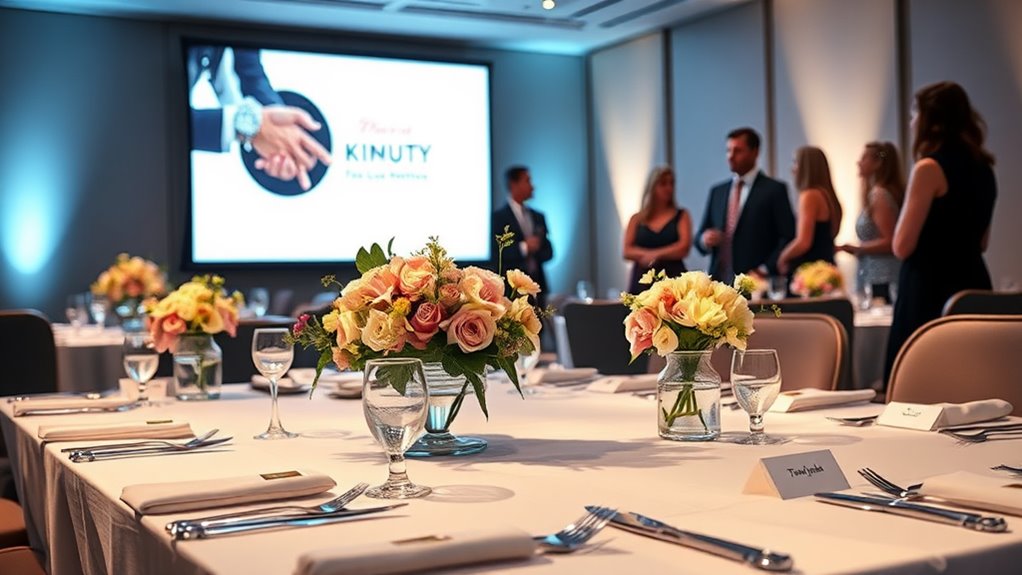
Collaborating with expert event planners brings significant benefits, from industry knowledge to streamlined logistics. Selecting the right planner is essential for aligning with a company’s vision and goals. Effective communication strategies guarantee that everyone stays on the same page throughout the planning process.
Benefits of Expert Collaboration
When companies partner with expert event planners, they tap into a wealth of specialized knowledge that can improve the quality of their corporate gatherings. This expert collaboration brings several benefits:
- Streamlined Planning: Professional planners manage logistics and timing, aligning events with the company’s strategic goals and brand identity.
- Improved Engagement: Experienced event planners create immersive and interactive experiences that resonate with attendees, nurturing emotional connections and satisfaction.
- Maximized ROI: Established relationships with venue staff and vendors enable better negotiation on pricing, optimizing the event budget and driving stronger networking opportunities.
Selecting the Right Planner
Finding the right event planner can greatly improve a company’s gatherings, enhancing both the experience for attendees and the overall impact on the brand. Expert planners bring invaluable industry knowledge, crafting memorable events that align with corporate values. They seamlessly integrate branding elements into the event’s design, creating unique experiences that resonate with guests. By managing logistics and onsite coordination, planners allow teams to focus on relationship building rather than getting bogged down in details. Their established networks can likewise secure better pricing and higher quality services, further elevating the perception of a company’s events. In the end, collaborating with seasoned event planners encourages innovation and emotional connections, ensuring that each gathering leaves a lasting impression on attendees and strengthens the brand’s image.
Effective Communication Strategies
How can effective communication transform the event planning process? By collaborating with expert event planners, companies can improve their approach and achieve innovative outcomes. Effective communication strategies play an essential role in aligning event objectives with stakeholder expectations.
- Utilize project management tools to guarantee clear, consistent updates throughout the planning process.
- Schedule regular check-ins for real-time feedback and adjustments, creating engaging experiences that resonate with the target audience.
- Leverage industry insights from seasoned planners to uplift brand identity and guarantee cohesive execution.
Leveraging Technology for Enhanced Attendee Experience
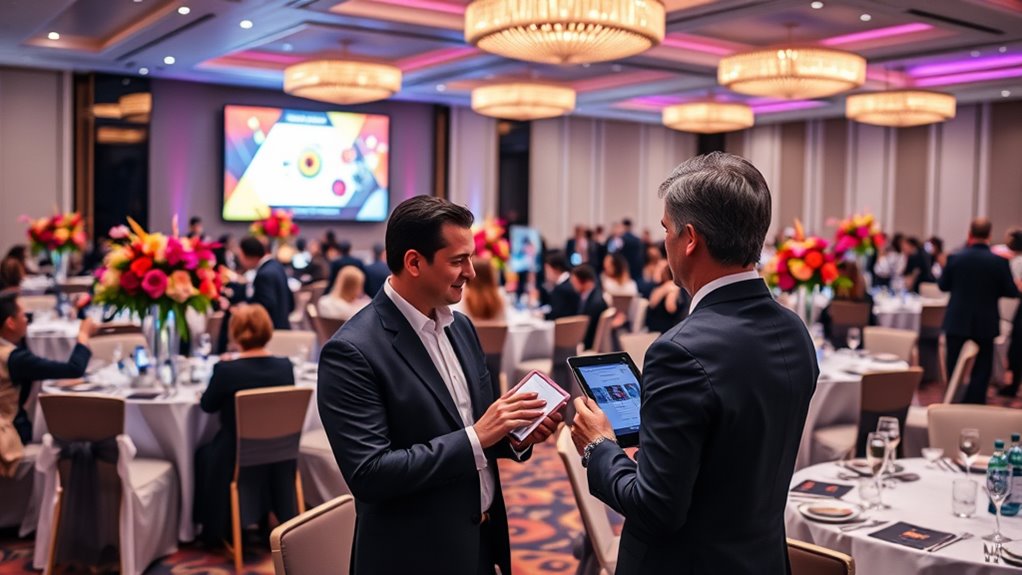
In today’s event environment, technology plays an essential role in enhancing the attendee experience. Virtual event platforms, along with interactive engagement features and real-time analytics tools, offer organizers valuable insights and opportunities for connection. By leveraging these tools, events can create more engaging and memorable experiences for all participants.
Virtual Event Platforms
Virtual event platforms play a crucial role in enhancing the attendee experience by leveraging advanced technology. These platforms not only streamline event management but additionally create dynamic environments for engagement. To maximize impact, consider the following:
- Robust Streaming Capabilities: Guarantee high-quality audio and video to captivate a diverse audience.
- Interactive Features: Implement live polls, Q&A sessions, and breakout rooms to boost attendee engagement and networking.
- Analytics Integration: Utilize thorough analytics to track engagement, gather feedback, and refine future events.
Incorporating real-time updates through dedicated event apps and integrating social media can greatly amplify your event’s reach, encouraging attendees to share their experiences and enhancing your brand visibility.
Interactive Engagement Features
Even though attendees often seek meaningful connections at events, interactive engagement features can greatly improve their experience. By incorporating interactive digital displays and touch-screen booths, companies can create engaging content that promotes a direct connection with their brand. Gamification elements, like quizzes and challenges, not only encourage participation but also stimulate interaction among attendees, transforming the event into a memorable and impactful experience. Virtual reality experiences immerse participants in unique product explorations, whereas interactive walls or message boards nurture a sense of community. Moreover, mobile event apps provide personalized experiences, serving as a central hub for real-time updates and networking opportunities. These innovative approaches can greatly improve your brand and guarantee attendees leave with lasting impressions.
Real-Time Analytics Tools
Interactive engagement features lay the groundwork for a richer attendee experience, and real-time analytics tools take this a step further. By employing these innovative tools, event planners can:
- Monitor attendee engagement and participation rates instantly.
- Gather valuable feedback to make quick adjustments during the event.
- Analyze demographics and behaviors for targeted marketing strategies.
These insights enable personalized experiences, ensuring attendees feel valued. Additionally, real-time analytics optimize resource allocation, enhancing ROI by identifying successful elements of the event. Utilizing mobile apps equipped with these capabilities allows seamless integration of interactions, providing data for thorough post-event analysis. In the end, real-time analytics tools empower organizers to create memorable events that resonate with attendees and drive future success.
Crafting an Effective Marketing Strategy for Your Event
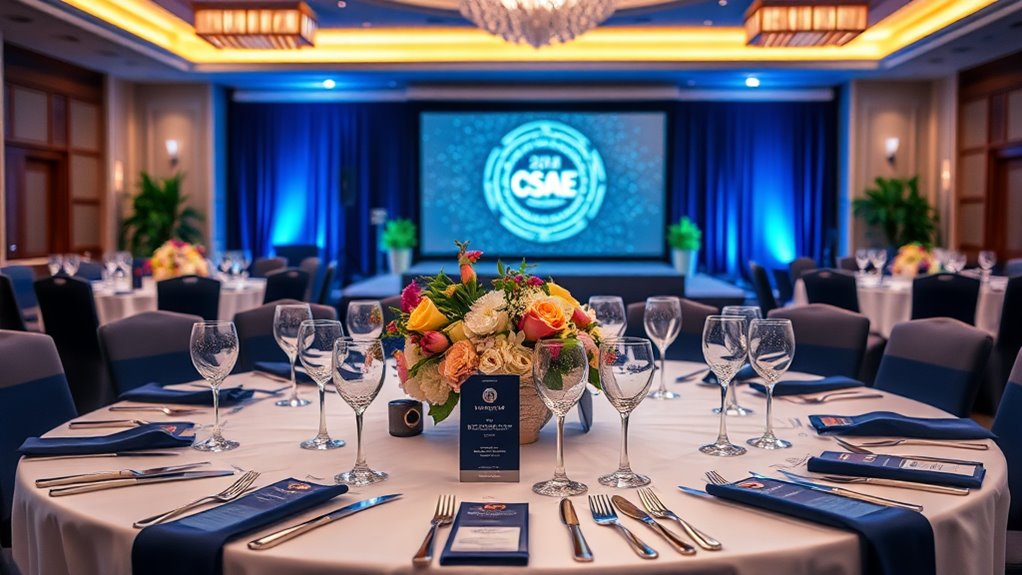
When planning an event, crafting an effective marketing strategy is essential for driving attendance and engagement. A successful strategy should include clear objectives, targeting specific demographics and interests. Utilizing a mix of channels like social media and email campaigns can boost visibility, helping to showcase your brand effectively. Creating engaging content that provides valuable information can increase registration rates considerably. Staying informed about market trends allows you to tailor your event messaging to resonate with your target audience.
| Strategy Element | Action Items | Expected Outcome |
|---|---|---|
| Define Objectives | Increase attendance by 30% | Greater engagement |
| Multi-Channel Approach | Use email, social media, ads | 24% higher ROI |
| Leverage Influencers | Align with event theme | Improved credibility |
Evaluating Event Success Through Post-Event Analysis
A thorough post-event analysis is crucial for comprehending an event’s overall success and areas that need improvement. It not merely captures attendee feedback but additionally evaluates critical metrics that shape future strategies.
Key components of a robust post-event analysis include:
- Return on Investment (ROI): Evaluating financial outcomes against costs to inform future planning.
- Engagement Levels: Analyzing attendance rates and interaction on social media to gauge attendee satisfaction.
- Brand Visibility: Tracking changes in social media mentions and website traffic pre- and post-event to measure branding effectiveness.
Frequently Asked Questions
What Are the 5 C’s of Event Planning?
The 5 C’s of event planning are vital for success. They include concept, which sets the event’s vision; cost, focusing on budget allocation strategies; calendar, emphasizing event timeline management; coordination, which guarantees seamless collaboration among stakeholders; and communication, fundamental for marketing event promotions and engaging attendees. Incorporating technology integration solutions can improve the experience, whereas post-event evaluation methods provide insights for future enhancements. Together, these elements create impactful and innovative events.
What Are the 5 P’s of Event Planning?
When considering the 5 P’s of event planning, one must focus on event timeline management, budget allocation strategies, and venue selection tips. It’s essential to improve the guest experience through customized activities and thoughtful vendor coordination techniques. Furthermore, innovative marketing event promotions can draw in attendees, whereas post-event evaluation methods guarantee that feedback is gathered for continuous improvement. By integrating these elements, one can create a memorable and impactful event.
What Are the 5 A’s of Event Planning?
In the domain of event planning, the five A’s symbolize the expedition of a butterfly, transforming an ordinary experience into something extraordinary. It starts with Anticipation, where Budget Management and Theme Development create excitement. Arrival guarantees guests feel welcomed through careful Venue Selection and Vendor Coordination. The Atmosphere captivates through thoughtful design, as Activity engages attendees with innovative timelines. Finally, Appreciation through Post Event Evaluation nurtures lasting connections, guaranteeing every event leaves a memorable mark.
What Makes a Good Event Planning Company?
A good event planning company thrives in client communication, ensuring a clear comprehension of goals and expectations. They master budget management, carefully allocating resources during quality maintenance. Strong vendor relationships facilitate seamless logistics, enhancing the overall attendee experience. With innovative event marketing strategies, they attract participants and create buzz. Furthermore, their expertise in timeline creation and venue selection guarantees smooth execution, ultimately delivering memorable and engaging events that resonate with the audience.