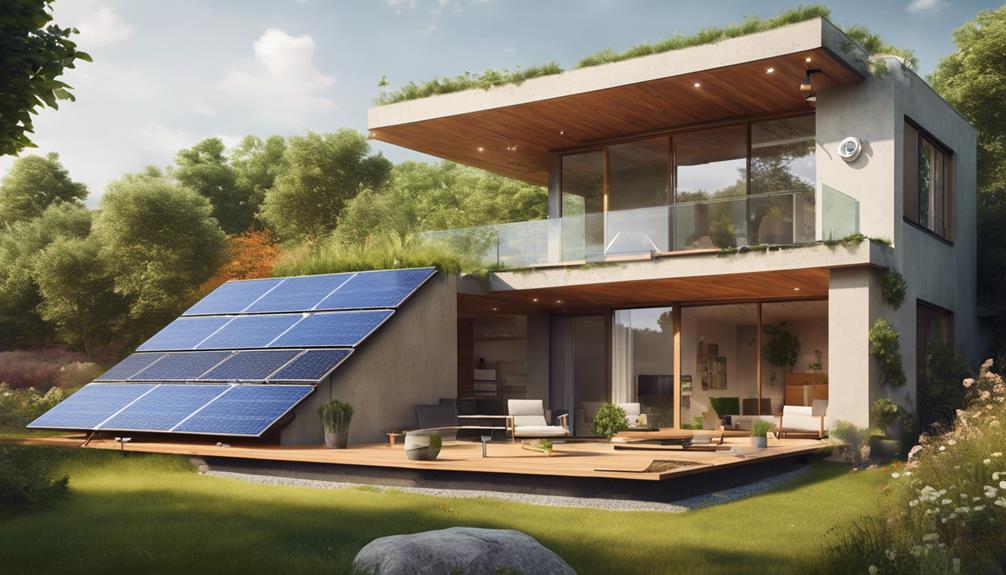
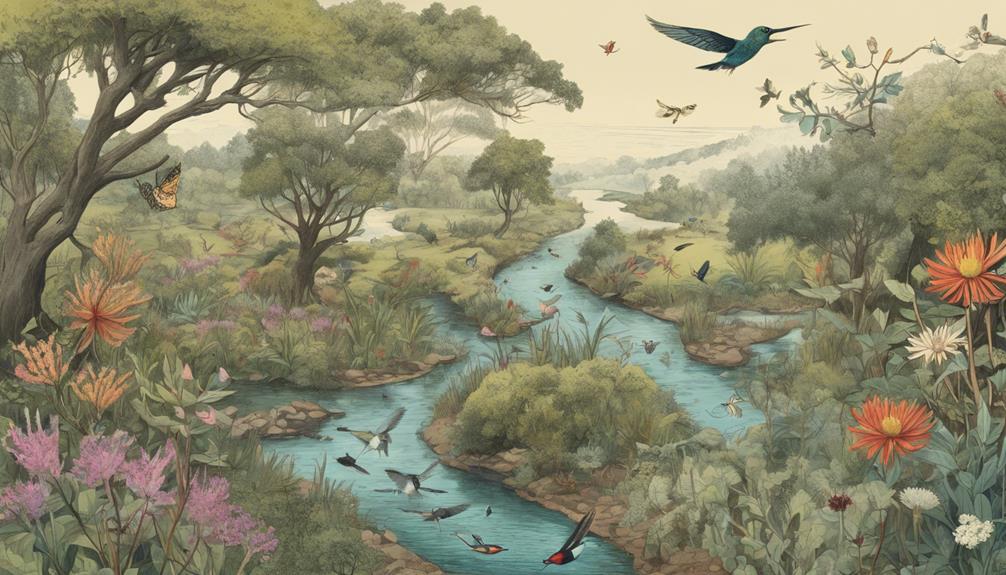
Designing landscapes to support biodiversity requires a multifaceted approach. By incorporating native plants, designers create a haven for local wildlife, supporting biodiversity. Reducing lawn areas and incorporating wildlife corridors, water features, and pollinator-friendly habitats further enhance ecosystem resilience. Effective soil management, ecological corridors, and sustainable practices also play an essential role. By considering these factors, landscapes can be designed to promote ecological balance, supporting a diverse range of species. As designers continue to explore innovative strategies, the potential for biodiverse landscapes that thrive and support local ecosystems becomes increasingly promising.
Native Plants for Local Wildlife
In addition, native plants, adapted to local climate and soil conditions, provide a natural haven for local wildlife, offering them the perfect environment to thrive. By incorporating native plants into landscape designs, homeowners can create a welcoming space for local species to flourish. These plants have evolved over time to develop unique relationships with local wildlife, providing the perfect conditions for seed dispersal and germination. For instance, native flowers attract pollinators, which in turn facilitate seed dispersal, allowing new plant species to emerge.
Wildlife observers have long recognized the importance of native plants in supporting local biodiversity. By planting native species, homeowners can attract a diverse range of wildlife, from birds and butterflies to bees and beneficial insects. These plants also provide a natural source of food, shelter, and habitat for local species, allowing them to thrive in their natural environment. Additionally, native plants require minimal maintenance, reducing the need for pesticides, fertilizers, and irrigation, which can harm local ecosystems. By incorporating native plants into landscape designs, homeowners can create a thriving ecosystem that supports local biodiversity, while also promoting a healthier environment for both humans and wildlife. By making this simple yet effective change, individuals can contribute to a larger movement towards preserving and protecting local ecosystems.
Reducing Lawn Areas for Biodiversity
In their efforts to create landscapes that support biodiversity, designers are finding innovative ways to reduce lawn areas. By doing so, they're making room for alternative landscaping features that not only benefit local wildlife but also enhance the overall aesthetic. From native plants to wildlife corridors, the possibilities for biodiversity-rich landscapes are vast and varied.
Lawn Alternatives Abound
What if the typical suburban lawn, often a sea of manicured grass, could be transformed into a biodiverse oasis? This vision is becoming a reality as homeowners and landscape designers explore innovative lawn alternatives. By reducing lawn areas, we can create spaces that not only support biodiversity but also showcase personal style. Lawn ornaments, such as sculptures or birdbaths, can add visual interest to a yard. For a quick fix, turf paint can be used to create patterns or designs on existing grass. However, for a more drastic change, grass substitutes like clover or creeping thyme can be used to create a low-maintenance, eco-friendly lawn. Yard decor, outdoor furniture, and garden art can then be incorporated to create a unique outdoor space. To highlight these features, landscape lighting can be strategically placed to create ambiance. Finally, decorative stones or gravel can be used to create pathways or borders, adding texture and depth to the yard. By embracing these alternatives, we can transform our outdoor spaces into thriving ecosystems that support local wildlife.
Native Plants Thrive Here
By incorporating native plants into their outdoor spaces, homeowners can create thriving habitats that support local biodiversity and reduce the need for lawn areas. This approach not only benefits the environment but also requires less maintenance and care. To guarantee the success of native plants, soil preparation is essential. Homeowners should test their soil type and pH level to determine the best plants for their specific conditions.
| Native Plant | Soil Preference |
|---|---|
| Black-eyed Susan | Well-draining soil, pH 6.0-7.0 |
| Butterfly Weed | Dry to medium soil, pH 6.0-7.0 |
| Purple Coneflower | Well-draining soil, pH 6.0-7.0 |
Plant profiling is also critical in selecting the right native plants for a specific region. By understanding the plant's growth habits, bloom times, and sun requirements, homeowners can create a diverse and thriving ecosystem. By choosing native plants that are well-suited to the local climate and soil conditions, homeowners can create a low-maintenance and biodiverse outdoor space that supports local wildlife.
Wildlife Corridors Matter
About 75% of lawn areas in the United States could be repurposed as wildlife corridors, providing essential connectivity for species migration and habitat expansion. By reducing lawn areas, urban planning can prioritize conservation strategies that enhance habitat connectivity and mitigate fragmentation effects. Wildlife corridors can be integrated into urban landscapes, promoting ecological networks and facilitating species migration. This approach can also address road ecology concerns, as corridors can be designed to minimize the impact of roads on wildlife movement. Landscape metrics can be used to assess the effectiveness of these corridors, ensuring that they meet conservation goals. By adopting innovative design approaches, cities can transform underutilized lawn areas into thriving ecological networks, supporting biodiversity and enhancing ecosystem resilience. By doing so, urban planners can create sustainable, nature-based solutions that benefit both humans and wildlife, ultimately redefining the role of urban landscapes in conservation efforts.
Creating Wildlife Corridors and Connectors
Wildlife corridors and connectors play an essential role in maintaining biodiversity by providing routes for species migration, genetic exchange, and adaptation to changing environmental conditions. These corridors enable species to move freely, maintaining population viability and promoting ecological resilience. Effective corridor placement is paramount, as it can maximize connectivity between habitats, facilitating species dispersal and reducing fragmentation. Habitat bridging, which involves connecting isolated habitats, is a key strategy in corridor design. This approach helps to reestablish ecological processes, enhancing biodiversity and ecosystem services.
Landscape mosaics, which integrate corridors and habitats, offer a holistic approach to conservation. By incorporating connectivity metrics, designers can assess the effectiveness of corridors and identify areas for improvement. Fragmentation reduction is a primary goal, as corridors help to reunite isolated habitats, promoting species movement and genetic exchange. By considering the complex interactions between species, habitats, and landscapes, designers can create resilient and adaptive ecosystems. By embracing innovative design principles, we can create functional corridors and connectors that support biodiversity, ultimately enriching the natural world.
Incorporating Water Features and Ponds
Incorporating water features and ponds into landscape designs can greatly enhance biodiversity by providing habitats for aquatic species and supporting ecosystem services. These water bodies can serve as vital habitats for various aquatic species, from fish and amphibians to insects and plants. Additionally, they can help regulate water quality by filtering out pollutants and sediments, thereby maintaining a healthy ecosystem.
The design of water features and ponds can greatly impact their ecological value. For instance, incorporating aquatic edges with varying depths and vegetation can create diverse habitats for aquatic species. Shallow areas with emergent vegetation can provide breeding grounds for amphibians, while deeper areas can support fish populations. Additionally, incorporating rocks, logs, or other submerged structures can increase habitat complexity and support a wider range of species.
Water quality is also an important consideration in designing water features and ponds. By incorporating natural filtration systems, such as wetlands or vegetated buffers, landscape designers can maintain good water quality and reduce the need for chemical treatments. This not only benefits aquatic species but also supports human health and well-being. By thoughtfully designing water features and ponds, landscape designers can create thriving ecosystems that support biodiversity and ecosystem services.
Designing for Pollinators and Insects
As landscape designers turn their attention to pollinators and insects, they're finding ways to create habitats that cater to these essential species, from bees and butterflies to beneficial wasps and ants. By incorporating specific design elements, they can provide the necessary resources for these tiny creatures to thrive. One innovative approach is the installation of bee hotels and insect shelters, which offer a cozy haven for solitary bees and other beneficial bugs. These structures can be integrated into pollinator pathways, which are specifically designed to attract a diverse range of pollinators. By planting a variety of flowers, including native wildflowers and herbs, along these pathways, designers can create a rich source of nectar and pollen. Flower strips, which are narrow strips of land planted with a mix of flowers, can also be used to create a corridor for pollinators to move through the landscape. By incorporating these design elements, landscape designers can create thriving habitats that support the complex relationships between pollinators and insects. By doing so, they can help sustain the delicate balance of ecosystems and promote the long-term health of our environment.
Using Mulch and Compost Effectively
By strategically applying mulch and compost, landscape designers can create a fertile foundation for plants to flourish, while also supporting the complex networks of microorganisms that underpin ecosystem health. This powerful duo not only enhances soil fertility but also contributes to carbon sequestration, a critical component of mitigating climate change. As mulch breaks down, it aerates the soil, allowing oxygen to penetrate deeper, promoting microbe growth and nutrient cycling. This, in turn, supports a thriving ecosystem where plants can thrive.
Effective mulching also leads to weed suppression, reducing the need for herbicides and other chemicals that can harm local wildlife. Additionally, mulch regulates soil temperature, providing thermal insulation that keeps soil cooler in the summer and warmer in the winter. This thermal regulation, combined with the moisture retention properties of mulch, reduces the need for irrigation, conserving precious water resources.
Compost, rich in organic matter, further enriches the soil, providing a nutrient-dense food source for microorganisms. As compost decomposes, it releases nutrients, supporting a balanced ecosystem where plants and microorganisms coexist harmoniously. By incorporating mulch and compost into their designs, landscape architects can create resilient, biodiverse landscapes that support ecological balance and promote ecosystem services.
Minimizing Chemical Fertilizers and Pests
Chemical fertilizers, often touted as a quick fix for struggling plants, can wreak havoc on ecosystem balance, so landscape designers should prioritize alternative solutions that promote ecological harmony. By adopting integrated management strategies, designers can reduce their reliance on chemical fertilizers and mitigate their environmental impact. This can be achieved through soil remediation techniques, such as adding organic matter, which enhances soil structure and fertility. Fertilizer alternatives, like compost tea, can also provide essential nutrients to plants while minimizing toxicity.
Moreover, designers can employ pest resistance strategies, such as introducing beneficial insects or using physical barriers, to reduce the need for pesticides. This not only safeguards local wildlife but also protects human health. By adopting these sustainable practices, landscape designers can create resilient ecosystems that thrive without compromising the environment. It’s essential to recognize that the long-term benefits of ecological balance far outweigh the short-term gains of relying on chemical fertilizers. By prioritizing ecological harmony, designers can create landscapes that not only support biodiversity but also promote a healthier environment for future generations. Additionally, incorporating vertical farming advantages and innovations can further enhance the sustainability of landscape designs. By utilizing vertical space for growing food, designers can contribute to local food security while minimizing land use and reducing carbon footprints. This holistic approach not only fosters environmental stewardship but also engages communities in sustainable practices that foster a deeper connection to nature.
Maintaining Ecological Balance and Resilience
In maintaining ecological balance and resilience, designers should focus on provisioning ecosystem services that support biodiversity. This involves mitigating habitat fragmentation by creating corridors that connect isolated habitats, thereby preserving native species. By adopting these strategies, landscapes can better withstand environmental stressors and maintain their ecological integrity.
Ecosystem Service Provision
How can landscape designers effectively maintain ecological balance and resilience through ecosystem service provision? By integrating ecosystem services into their designs, landscape architects can promote ecosystem resilience and support human well-being. Ecosystem services, such as climate regulation, soil formation, and air and water purification, are essential for maintaining ecological balance. Effective environmental governance is vital in ensuring that these services are protected and preserved. Landscape designers can incorporate ecosystem services into their designs by creating multifunctional landscapes that provide habitat for diverse species while also supporting human needs. For instance, green roofs can provide insulation, reduce urban heat islands, and create habitats for wildlife. Similarly, urban forests can mitigate climate change, improve air quality, and enhance human well-being. By prioritizing ecosystem service provision, landscape designers can create resilient and sustainable landscapes that support biodiversity and human life. By doing so, they can contribute to a healthier and more sustainable future for all.
Habitat Fragmentation Mitigation
Landscape designers can mitigate habitat fragmentation by incorporating ecological corridors and connectivity elements into their designs, ensuring the long-term survival of species and maintaining ecological balance. This approach helps to reconnect fragmented populations, allowing species to migrate, find mates, and adapt to changing environments.
To achieve this, designers can incorporate the following features into their designs:
- Ecological bridges: connecting isolated habitats, enabling species to move freely
- Wildlife tunnels: allowing animals to safely cross roads and other barriers
- Green infrastructure: incorporating natural habitats into urban planning, reducing fragmentation
Native Species Preservation
By preserving native species, designers can maintain ecological balance and resilience in their landscapes, allowing ecosystems to adapt and thrive in the face of environmental changes. Native species preservation is essential in maintaining the delicate balance of ecosystems, ensuring that each species occupies its unique ecological niche. This approach not only supports biodiversity but also acknowledges the cultural significance of native species to indigenous communities.
Designers can incorporate native species into their designs by selecting plants that are well-suited to the local climate and soil conditions. This approach reduces the need for irrigation, fertilizers, and pesticides, creating a more sustainable landscape. Additionally, preserving native species helps to maintain ecosystem services such as pollination, pest control, and nutrient cycling. By doing so, designers can create resilient landscapes that can withstand the impacts of climate change and other environmental stressors. By prioritizing native species preservation, designers can create innovative and sustainable landscapes that support biodiversity and ecological balance.
Frequently Asked Questions
How Can I Ensure My Landscape Design Is Accessible to People With Disabilities?
As a conductor orchestrates harmony, a landscape designer harmonizes accessibility. Ensuring a landscape is inclusive for people with disabilities is essential. She creates accessible pathways, wide and obstacle-free, allowing everyone to wander. Sensory gardens, rich in texture and color, engage visitors of all abilities. By incorporating these elements, her design becomes a symphony of accessibility, welcoming all to the natural world.
What Are Some Alternatives to Traditional Grass Lawns for Playgrounds and Parks?
As landscape designers think outside the box, they're ditching traditional grass lawns for innovative alternatives. For playgrounds and parks, native groundcovers are a fantastic option, offering low-maintenance and eco-friendly solutions. Meadowscaping, which incorporates diverse flora, is another trendy approach. This style not only reduces lawn care but also attracts pollinators and creates a unique, dynamic landscape. By embracing these alternatives, designers can create vibrant, sustainable spaces that inspire imagination and exploration.
Can I Still Have a Beautiful Landscape With Limited Water Availability?
As the sun beats down, the landscape before her seems to wither away, leaving only dust and despair. But wait, for she envisions a vibrant oasis, defying the odds of limited water. With drought-tolerant plants, she crafts a resilient beauty, where succulents and cacti thrive. Water-efficient irrigation systems, precision-crafted to minimize waste, bring life to this arid landscape. And lo, her imagination unfolds, a stunning demonstration of innovation, where water scarcity meets ingenuity.
How Do I Balance the Needs of Different Species in a Shared Habitat?
She balances the needs of different species in a shared habitat by embracing species coexistence. She creates a habitat hierarchy, prioritizing essential resources like food and shelter. By layering vegetation, she provides varied habitats, supporting diverse species. It's not a competition, but a harmonious coexistence. She innovatively designs a thriving ecosystem, where each species flourishes, and biodiversity prospers.
Are There Any Specific Certifications for Biodiversity-Friendly Landscapers?
Did you know that 75% of global biodiversity is found in just 17 megadiverse countries? When it comes to certifications for biodiversity-friendly landscapers, she looks for professionals with Wildlife Specialist credentials. Additionally, landscapers with Eco Friendly Accreditation demonstrate a commitment to sustainable practices. These certifications guarantee that landscapers prioritize ecological balance, creating harmonious habitats for diverse species. By supporting certified professionals, we can drive innovation in eco-friendly landscaping.