

Mortgage interest rates are the percentage lenders charge to borrow money for a home, and they directly shape monthly payments and total loan cost. Higher rates usually mean higher payments and more interest over time, whereas lower rates improve affordability. Rates can vary based on credit score, loan term, down payment, and market conditions. Fixed rates stay stable, while adjustable rates can change later. A closer look can clarify how these pieces affect a household budget.
Article Highlights
- Mortgage interest rates determine how much you pay to borrow, while APR, or annual percentage rate, includes certain fees for a broader cost comparison.
- Higher mortgage rates increase monthly payments and total interest paid, reducing overall home affordability over the loan term.
- Fixed-rate loans keep payments stable, while adjustable-rate loans can start lower but may rise later.
- Lenders set rates based on credit score, debt-to-income ratio, down payment, loan-to-value ratio, and market conditions.
- Budget for rate changes by comparing offers and estimating payments, including taxes, insurance, and maintenance.
What Are Mortgage Interest Rates?
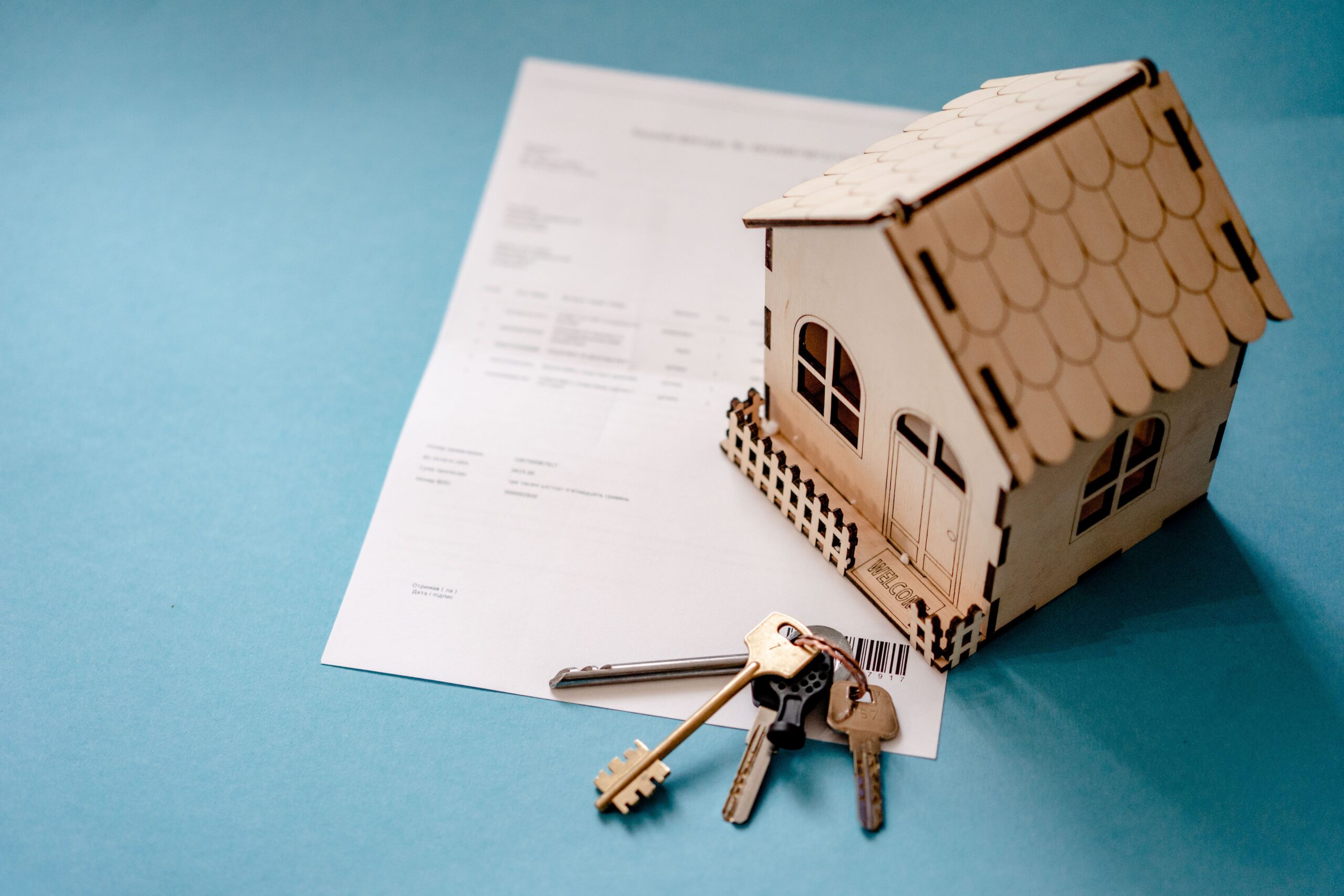
Mortgage interest rates are the percentage a lender charges a borrower for using borrowed funds in a home loan. Within mortgage basics, this percentage helps define borrowing cost over time and appears in common interest rate definitions. It is usually expressed as an annual figure, though the charge accrues according to the loan terms and balance.
How Do Mortgage Rates Affect Payments?
Monthly Payment Changes
As the interest rate directly shapes how much of each payment goes toward interest rather than principal, even a small rate increase can noticeably raise a borrower’s monthly housing cost. When rates rise, the same loan amount produces a higher required payment, which can reduce affordability and limit home choices.
Monthly payment changes matter because they affect cash flow, qualification, and budgeting consistency. A lower rate can create breathing room for savings, maintenance, or other expenses, whereas a higher rate can strain a household’s monthly plan. This is why down payment planning matters: a larger upfront contribution can reduce the amount borrowed and soften rate-driven increases. Careful comparison of loan estimates also helps prevent payment shock by helping borrowers anticipate realistic monthly obligations before committing to a mortgage.
Total Interest Costs
Beyond changing the monthly bill, interest rates determine how much a borrower pays over the life of the loan. A higher rate means a larger share of each payment goes toward interest, especially during the early years, which increases total borrowing costs substantially. Even a small rate difference can add thousands of dollars over a 15- or 30-year term.
Lower rates reduce cumulative interest, helping borrowers build equity faster. This can improve flexibility later, including access to refinancing options if market conditions shift. At the same time, while principal and interest are central, borrowers should keep in mind that escrow costs for taxes and insurance are separate expenses that affect the full housing budget. Reviewing amortization schedules can clarify how rate changes affect long-term affordability and overall loan costs over time.
What Factors Change Your Mortgage Rate?

Several key factors can change the mortgage rate a borrower receives. Lenders often weigh credit score heavily, yet the loan term also affects whether the rate is higher or lower. Broader market rate shifts further influence pricing, sometimes changing borrowing costs even when a borrower’s profile stays the same. Interest rate changes can also reflect broader monetary policy trends, which influence how lenders price loans over time.
Credit Score Impact
A borrower’s credit score often directly affects the mortgage interest rate a lender offers. Lenders use credit bureau checks to review borrowing behavior, debt levels, and account stability. A stronger score often signals lower risk, which can lead to more favorable pricing. A weaker score may lead to a higher rate, increasing monthly costs and reducing budget flexibility. Payment history matters most, since consistent on-time payments suggest reliability.
- Relief may follow when good habits earn a lower rate.
- Frustration can grow when past missteps continue affecting present costs.
- Hope remains, since steady improvement can strengthen future loan offers.
Understanding this connection helps borrowers see why credit management matters before applying for a mortgage or refinancing later.
Loan Term Length
The length of time a borrower chooses to repay the loan can greatly influence the mortgage interest rate. Shorter terms often carry lower rates because lenders recover funds faster and face less long-term uncertainty. Longer terms may raise the rate, but they usually reduce the monthly payment. The chosen term also shapes the amortization schedule, determining how quickly principal declines over time. Some borrowers also compare prepayment options, since added flexibility can affect overall cost and payoff timing.
| Term Length | Typical Effect |
|---|---|
| 15 years | Lower rate, higher payment |
| 20 years | Moderate rate and payment |
| 30 years | Higher rate, lower payment |
| Flexible prepayment features | May improve payoff control |
A careful term choice balances affordability, interest expense, and repayment speed for household budgets.
Market Rate Shifts
Mortgage rates move with broader financial conditions; a borrower’s quoted rate can change even when personal finances stay the same. Lenders adjust pricing as bond markets react to inflation, Federal Reserve signals, employment data, and other economic indicators. These forces create rate volatility, sometimes within a single day, affecting affordability and monthly payment expectations.
- A sudden rate jump can shrink buying power, creating frustration and urgency.
- A modest decline may bring relief, making a planned purchase feel possible again.
- Uncertainty often causes hesitation, especially when households are balancing tight budgets.
Because lenders price risk continuously, timing matters as much as credit strength and down payment size. Borrowers benefit from monitoring market trends, comparing offers, and understanding that mortgage pricing reflects both personal qualifications and changing investor expectations across the broader economy.
Fixed vs. Adjustable Mortgage Rates

| Fixed Rate | Adjustable Rate |
|---|---|
| Stable interest | Changing interest |
| Predictable payments | Payments may rise |
| Easier long-term budgeting | Lower initial rate |
| Less rate risk | More market exposure |
A fixed rate may suit households valuing consistency. An adjustable rate may suit buyers expecting to relocate, see income growth, or repay early. The better choice depends on financial goals and comfort with payment changes.
How Your Credit Score Affects Rates
Beyond loan type, a borrower’s credit score plays a major role in the interest rate a lender offers. Higher scores often suggest dependable repayment behavior, which can reassure lenders and lead to lower rates. Lower scores may raise concerns, thereby increasing borrowing costs even when income appears stable.
- A strong score can bring relief, signaling a smoother path to approval.
- A weaker score can create frustration, especially when monthly costs rise unexpectedly.
- Small score changes can spark hope, since better terms may become possible.
How to Budget Around Mortgage Rates

When interest rates shift, a household budget often needs to adjust. Higher mortgage rates can raise monthly payments, reduce affordability, and limit room for other expenses. A careful budget begins with estimating payments under several rate scenarios, including taxes, insurance, and maintenance. This approach helps identify a comfortable price range before choosing a loan.
Frequently Asked Questions
Can I Pay off My Mortgage Early Without Penalties?
Yes, you can often pay off a mortgage early without penalties, though terms vary by lender and loan type. Like a gate with hidden hinges, the fine print determines how smoothly that path opens. A borrower should review prepayment terms carefully, since some loans charge fees for early payoff. It may also help to negotiate lender options in advance, especially when refinancing or making large extra principal payments.
How Do Mortgage Points Work, and Are They Worth Buying?
Mortgage points explained: upfront fees paid to a lender for a lower interest rate, typically with one point costing 1% of the loan amount. They are worth buying when the borrower expects to keep the mortgage long enough for monthly savings to exceed the upfront cost. A careful lender fee comparison helps determine value, especially by calculating the break-even period and long-term savings potential.
Should I Choose a 15-Year or 30-Year Mortgage?
Borrowers should choose based on cash flow, goals, and risk tolerance: 15-year loans suit those who prioritize lower total interest and faster equity, while 30-year loans suit those who need lower monthly payments. Like two hikers choosing steep stairs or a winding trail, each reaches the summit differently. For example, a $300,000 loan often costs far less interest over 15 years but requires higher monthly payments.
What Closing Costs Should I Expect Besides the Down Payment?
Besides the down payment, buyers should expect lender fees, appraisal, inspection, title insurance, escrow funding, prepaid taxes, homeowners insurance, recording fees, and possibly attorney charges. Closing costs often range from 2% to 5% of the home price, depending on location and loan type. Some expenses may be reduced through seller credits negotiated in the purchase agreement. Carefully review the loan estimate to understand which charges are fixed and which may change.
Can Refinancing Lower My Monthly Payment Later?
Yes, refinancing can lower your monthly payment later if interest rates fall, your credit improves, or you extend the repayment period. A borrower may benefit from lower principal and interest payments, but fees and qualification standards apply. Lower payments can involve trade-offs in loan terms, such as paying more over time. Refinancing from an adjustable loan may also reduce adjustable-rate risk, depending on the new mortgage structure and current market conditions.