To prevent costly home repairs before they start, homeowners should conduct regular inspections of their roof, plumbing, HVAC system, and electrical systems. They should likewise keep an eye out for signs of pests and ascertain gutters and downspouts are clear. Sealing windows and doors can boost energy efficiency, whereas maintaining landscaping helps protect the home’s exterior. Creating an emergency repair fund prepares for unexpected expenses. By taking these proactive steps, they’ll safeguard their investment and discover even more insightful tips.
Article Highlights
- Schedule seasonal roof inspections to catch issues early and extend your roof’s lifespan, saving on costly repairs.
- Conduct regular plumbing maintenance to identify leaks and prevent water damage, ensuring efficient water use and lower bills.
- Keep gutters and downspouts clean to prevent clogs and water damage; inspect them at least twice a year.
- Perform routine HVAC system checks and replace air filters regularly to enhance efficiency and reduce breakdown risks.
- Create an emergency repair fund to prepare financially for unexpected home repairs, prioritizing it within your monthly budget.
Regularly Inspect Your Roof
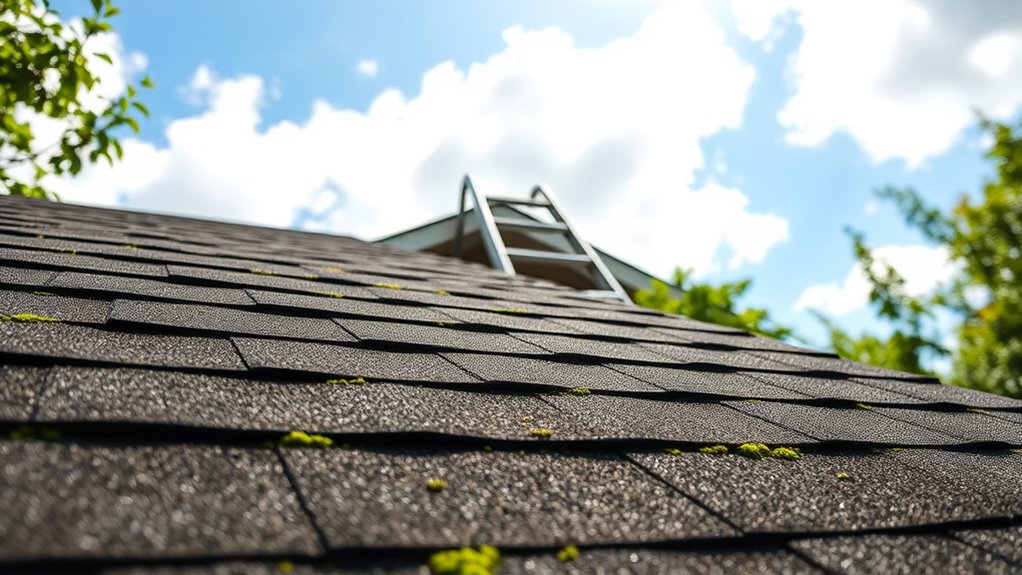
Regular roof inspections are vital for maintaining a safe and secure home. Homeowners should schedule seasonal inspections to identify potential issues before they escalate. Different roof materials, such as shingles, tiles, or metal, can wear down at varying rates, making it important to tailor inspections accordingly. During these evaluations, it’s important to check for missing shingles, cracks, or signs of water damage. Early detection can save significant repair costs and extend the roof’s lifespan. Furthermore, seasonal changes can impact roof performance; heavy snowfall or intense heat can exacerbate existing problems. By committing to regular inspections, homeowners can guarantee their roofs remain in good condition, ultimately protecting their investment and providing peace of mind.
Maintain Your Plumbing System
To keep a home’s plumbing system in top shape, regular inspections and maintenance are crucial. Homeowners should fix leaks quickly to prevent bigger issues down the road and consider protecting pipes against freezing during colder months. These simple steps can save time and money as well as ensuring a smooth-running plumbing system.
Regular Inspections and Maintenance
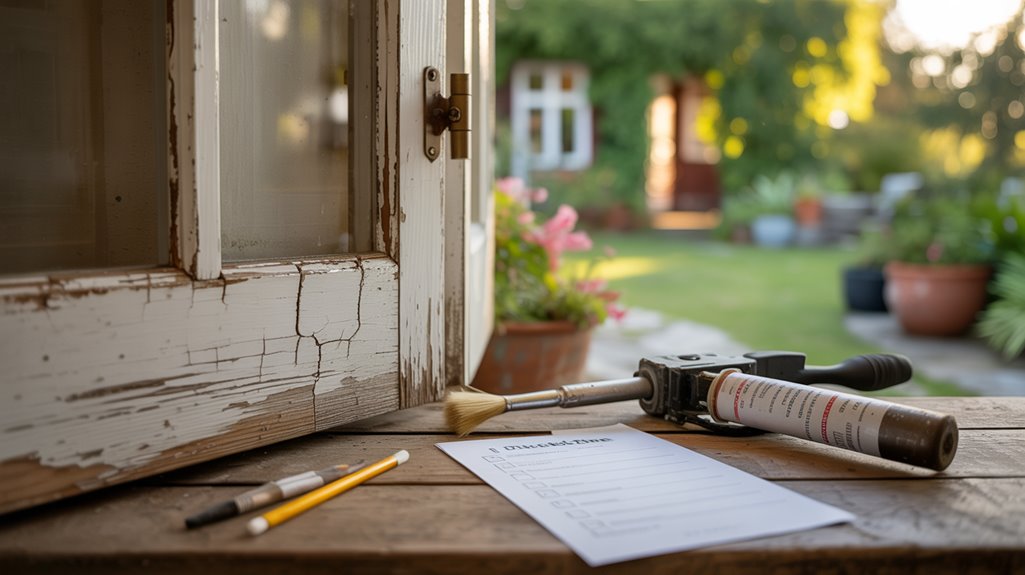
Though many homeowners prioritize visible areas of their property, neglecting the plumbing system can lead to costly repairs down the line. Regular inspections and maintenance are crucial to guarantee everything runs smoothly. Creating a maintenance checklist can help keep track of necessary tasks, preventing issues before they escalate.
Homeowners should consider the following:
- Schedule routine home inspections to identify potential plumbing issues early.
- Regularly check water pressure and temperature settings to avoid strain on the system.
- Clean out drains and gutters to prevent backups and clogs.
Fix Leaks Promptly
Ignoring leaks, no matter how small, can lead to significant damage and increased water bills over time. Timely leak detection is essential for maintaining a plumbing system’s integrity. Homeowners should regularly check for leaks in faucets, pipes, and appliances to avoid costly repairs.
| Leak Type | Potential Damage |
|---|---|
| Faucet Leak | Increased water bills |
| Pipe Leak | Structural damage to walls |
| Appliance Leak | Water damage to flooring |
Addressing leaks quickly prevents water damage and promotes a more efficient plumbing system. Homeowners can save money and maintain their property’s value by being proactive about leak detection and repair. Regular maintenance is key to avoiding these issues.
Protect Against Freezing Pipes
As temperatures drop, homeowners must take precautions to protect their plumbing systems from freezing pipes. A burst pipe can lead to expensive repairs and significant water damage. To prevent this, they should consider the following:
- Use pipe insulation: Wrapping pipes with insulation helps maintain warm temperatures, especially in unheated areas like basements and attics.
- Adjust thermostat settings: Keeping the thermostat set to a consistent temperature, even when away, guarantees that the home stays warm enough to protect plumbing.
- Let faucets drip: Allowing a small trickle of water to flow can relieve pressure and prevent freezing.
Service Your HVAC System
In terms of preventing costly repairs, servicing the HVAC system is essential. Regular filter replacement, annual maintenance scheduling, and ductwork inspections can greatly extend the system’s lifespan. Neglecting these tasks can lead to inefficiencies and unexpected breakdowns.
Regular Filter Replacement
Regular filter replacement is crucial for maintaining an efficient HVAC system, especially since a clean filter helps confirm ideal airflow and air quality. Homeowners should pay attention to different filter types and their recommended replacement frequency to avoid unnecessary repairs and guarantee optimal performance.
- Fiberglass Filters: Replace every 30 days.
- Pleated Filters: Change every 3 months.
- HEPA Filters: Typically last up to 6 months.
Schedule Annual Maintenance
Scheduling annual maintenance for your HVAC system can greatly reduce the risk of unexpected breakdowns and costly repairs. Regular servicing helps guarantee efficient operation, prolongs the system’s lifespan, and can even save on energy bills. Homeowners should utilize seasonal checklists and maintenance reminders to stay on track.
| Task | Frequency |
|---|---|
| Replace Air Filters | Every 3 months |
| Clean Coils | Annually |
| Inspect Thermostat | Annually |
Inspect Ductwork Integrity
While many homeowners focus on the visible components of their HVAC systems, inspecting ductwork integrity is equally crucial for maintaining overall efficiency. Neglecting ductwork can lead to costly repairs and reduced airflow, which in turn affects comfort and energy bills. Regularly evaluating ductwork guarantees a smooth and efficient operation.
Homeowners should consider the following:
- Ductwork cleaning: Remove dust and debris to improve air quality and system performance.
- Airflow evaluation: Check for leaks or blockages that hinder efficient air distribution.
- Regular inspections: Schedule professional assessments to identify potential issues before they escalate.
Check for Signs of Pests
To protect a home from costly repairs, it is vital to keep an eye out for signs of pests. Homeowners should regularly inspect their properties for indications of infestations, such as droppings, gnaw marks, or damage to wood. Early pest identification can save time and money. If someone notices these signs, it’s wise to act quickly and consult a pest control professional. They can assess the situation, determine the extent of the infestation, and recommend effective treatments. Furthermore, sealing cracks and gaps around the home can help prevent pests from entering in the first place. By being proactive and vigilant about pest control, homeowners can avoid the headaches and expenses that come with severe pest-related damage. Additionally, understanding pest behavior can help develop effective control strategies.
Clean Gutters and Downspouts
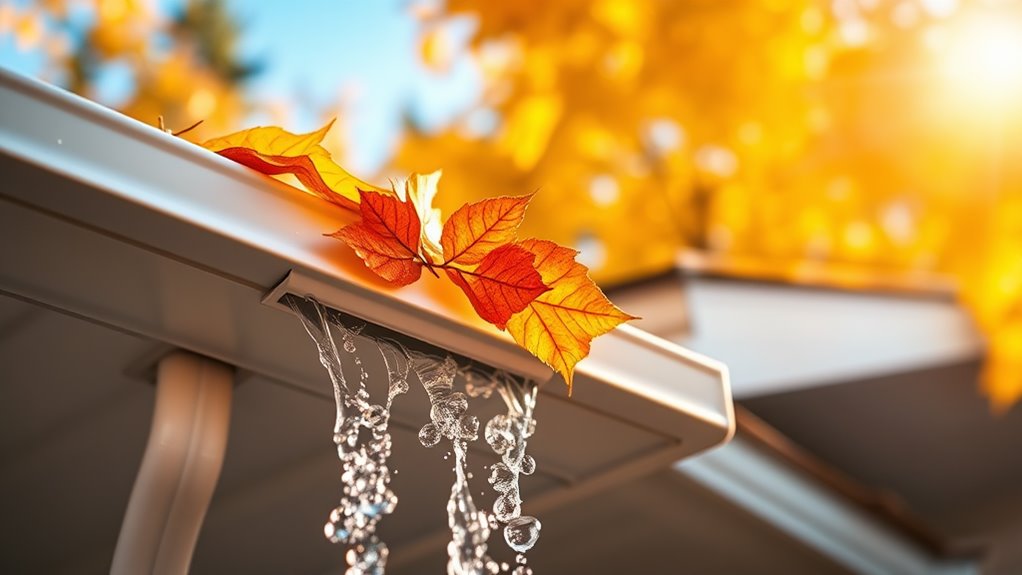
Regularly cleaning gutters and downspouts is essential for maintaining a home’s integrity, as clogged systems can lead to water damage and costly repairs. Homeowners should prioritize gutter cleaning and downspout maintenance to guarantee proper water flow. Here are a few tips to help:
- Schedule cleanings at least twice a year, especially before the rainy season.
- Inspect for damage: Look for rust, holes, or sagging sections that might need repair.
- Clear debris: Remove leaves, twigs, and dirt that can obstruct water flow.
Monitor Electrical Systems
Since electrical systems are crucial for a home’s safety and functionality, monitoring them regularly can help prevent serious hazards. Homeowners should schedule circuit inspections to verify everything’s in good working order. Ignoring potential issues can lead to costly repairs or even dangerous situations. Additionally, understanding economic indicators can help homeowners prioritize which electrical upgrades may enhance their property’s value and efficiency.
| Action | Frequency | Benefits |
|---|---|---|
| Inspect outlets | Every 6 months | Identify wear & tear |
| Test GFCI breakers | Monthly | Guarantee electrical safety |
| Check for frayed wires | Annually | Prevent fires |
| Review circuit panels | Every 6 months | Spot overloaded circuits |
| Upgrade old systems | As needed | Improve efficiency |
Seal Windows and Doors
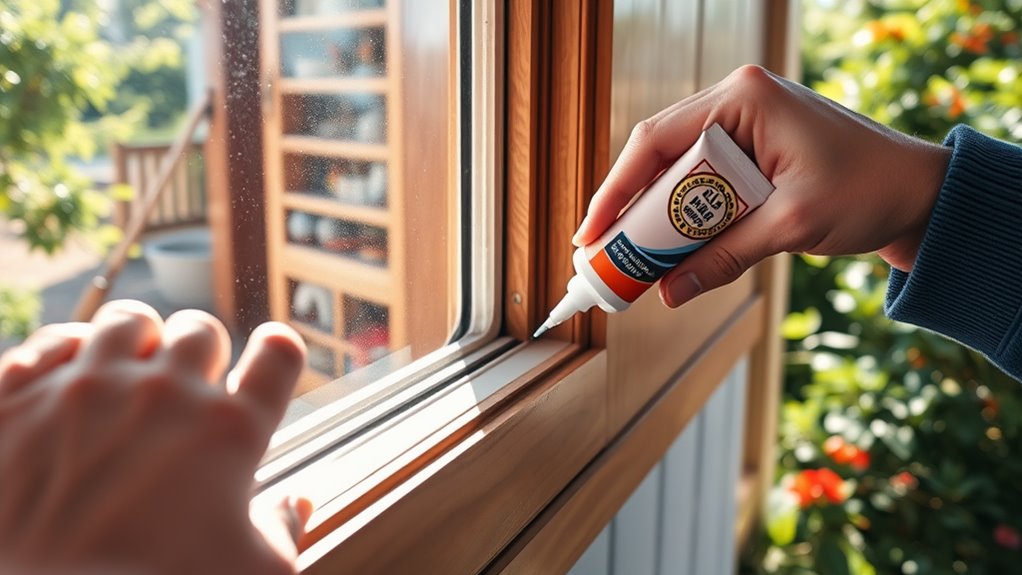
Although many homeowners might overlook them, sealing windows and doors is essential for maintaining energy efficiency and preventing costly repairs. Properly sealed openings help avoid drafts, which can lead to increased heating and cooling costs. Here are a few key steps to guarantee effective sealing:
- Inspect for gaps: Regularly check around windows and doors for any cracks or openings.
- Use door sweeps: Installing door sweeps can block gaps at the bottom of doors, preventing cold air from entering.
- Consider window treatments: Heavy curtains or thermal blinds can add an extra layer of insulation. Additionally, enhancing energy efficiency through proper sealing can lead to significant cost savings in the long run.
Maintain Your Landscaping
Maintaining your landscaping is crucial for preventing potential issues that can arise from overgrown plants or poorly managed outdoor spaces. A well-thought-out landscaping design not only improves curb appeal but additionally minimizes risks like water drainage problems and pest infestations. Regular seasonal pruning helps keep plants healthy, promoting growth whilst eliminating dead or diseased branches that could pose hazards. Homeowners should also verify that trees are trimmed away from roofs and electrical lines to avoid damage during storms. Furthermore, maintaining clear pathways and keeping mulch levels consistent can prevent soil erosion and encourage proper drainage. By investing time in landscaping maintenance, one can save money on costly repairs and create a safe, inviting outdoor environment.
Create an Emergency Repair Fund
Creating an emergency repair fund is a smart financial strategy for homeowners looking to safeguard against unexpected expenses. By allocating a portion of their budget to emergency savings, they can avoid financial strain when repairs arise. Here are a few tips for building that fund:
- Set a monthly savings goal: Determine a realistic amount to contribute each month to grow your fund steadily.
- Prioritize your fund: Treat your emergency repair fund like a bill, ensuring it’s part of your monthly budget allocation.
- Utilize windfalls: Whenever receiving extra income, like tax returns or bonuses, consider adding a portion to the fund. Additionally, understanding market trends can help homeowners anticipate potential repair needs based on property age and condition.
Frequently Asked Questions
How Often Should I Perform Home Inspections?
In terms of home inspections, it’s recommended that homeowners conduct seasonal inspections at least four times a year. By doing so, they can identify potential issues before they escalate. Using an inspection checklist can help guarantee no area is overlooked, covering everything from the roof to plumbing systems. Regular checks can save time and money in the long run, as catching problems early often prevents costly repairs down the line.
What Tools Are Essential for Home Maintenance?
In terms of home maintenance, having the right tools can make all the difference. Picture facing a leaky faucet without a wrench—frustrating, right? Important tools include a hammer, screwdriver set, pliers, and a tape measure. These basics are vital for any maintenance checklist. A level and utility knife can likewise come in handy for those unexpected projects. Being prepared guarantees one’s home stays in top condition, avoiding costly repairs down the line.
Are DIY Repairs Safe for Everyone?
When considering if DIY repairs are safe for everyone, one must weigh the repair risks involved. Not everyone possesses the same skill level or knowledge, which can lead to accidents or incomplete work. DIY safety is vital; individuals should assess their capabilities before attempting projects. Although some enjoy the challenge and succeed, others might face hazards. It is important to know one’s limits and seek professional help when necessary to avoid potential dangers.
How Can I Find a Reliable Contractor?
When searching for a reliable contractor, one should consider several hiring tips. It’s essential to check contractor credentials, like licenses and insurance, to guarantee they’re qualified. Asking for recommendations from friends or online reviews can likewise help. Furthermore, interviewing multiple candidates allows for comparing their experience and estimates. By taking these steps, one can find a trustworthy contractor who meets their needs and expectations, finally leading to a successful project.
What Is the Average Cost of Home Maintenance?
Many homeowners believe that home maintenance costs are negligible, but that’s often a misconception. On average, experts suggest budgeting about 1% to 3% of a home’s value annually for maintenance and repairs. This means a $300,000 home might require a repair budget of $3,000 to $9,000 each year. By comprehending these figures, homeowners can better prepare for the inevitable upkeep and avoid the shock of unexpected expenses down the road.