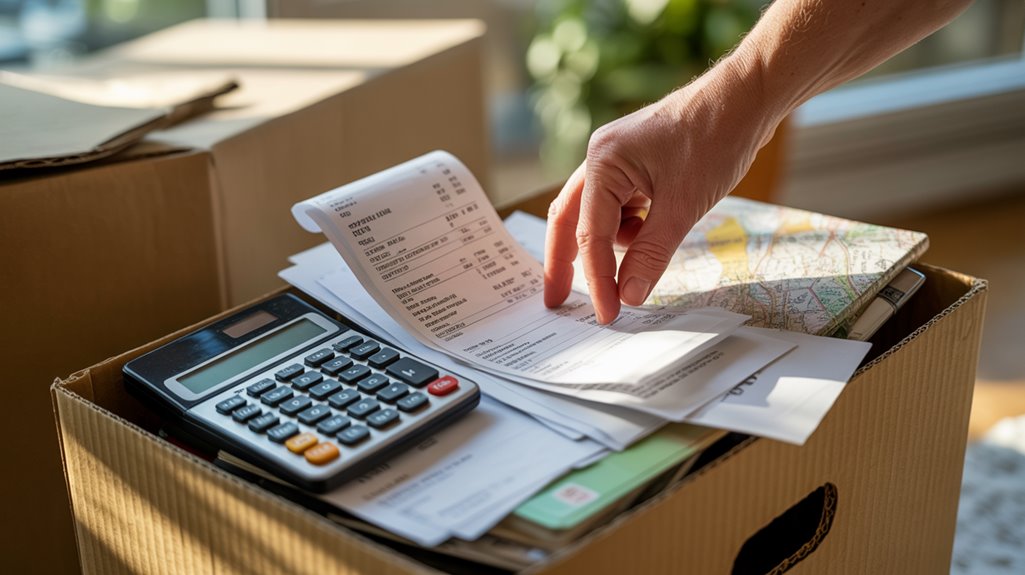
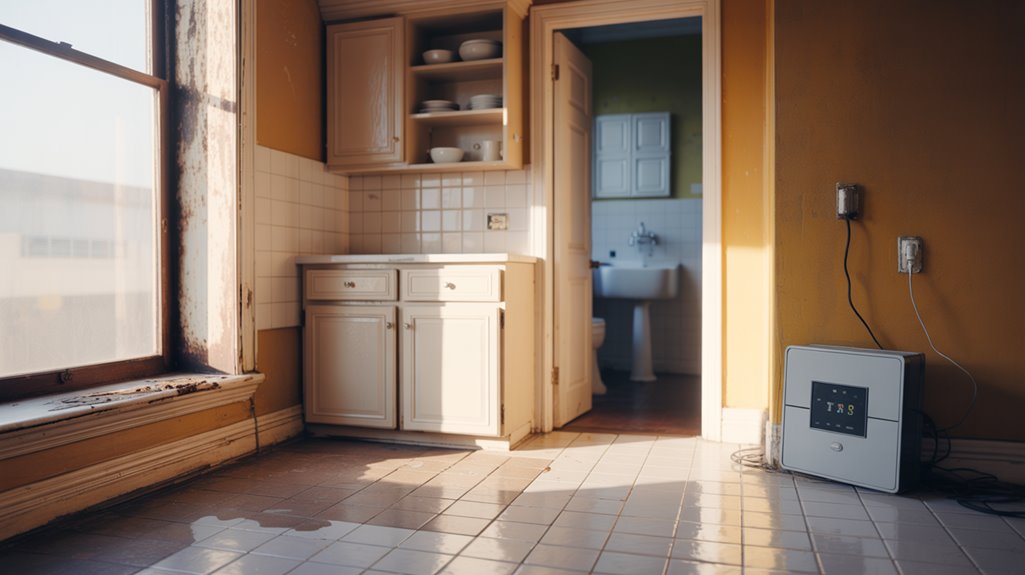
Many buyers forget to check for hidden damages during their final walkthrough, such as mold or structural issues. They often overlook verifying agreed-upon repairs and may not test all appliances for proper function. Confirming that included items and fixtures are present is crucial, too. Furthermore, outdoor spaces like landscaping and lighting can be neglected. Being thorough helps avoid unexpected issues, and there’s more useful information to explore on ensuring a successful walkthrough.
Article Highlights
- Inspect hidden areas for mold or damage, such as behind appliances and under sinks, to avoid future issues.
- Verify all agreed-upon repairs are completed and meet quality standards as outlined in the contract.
- Test all major appliances and systems to ensure they are functioning properly before finalizing the purchase.
- Confirm the presence and condition of included items like light fixtures and window treatments as per the agreement.
- Review the outdoor spaces for maintenance issues and check outdoor lighting for safety and functionality.
Inspecting for Hidden Damages
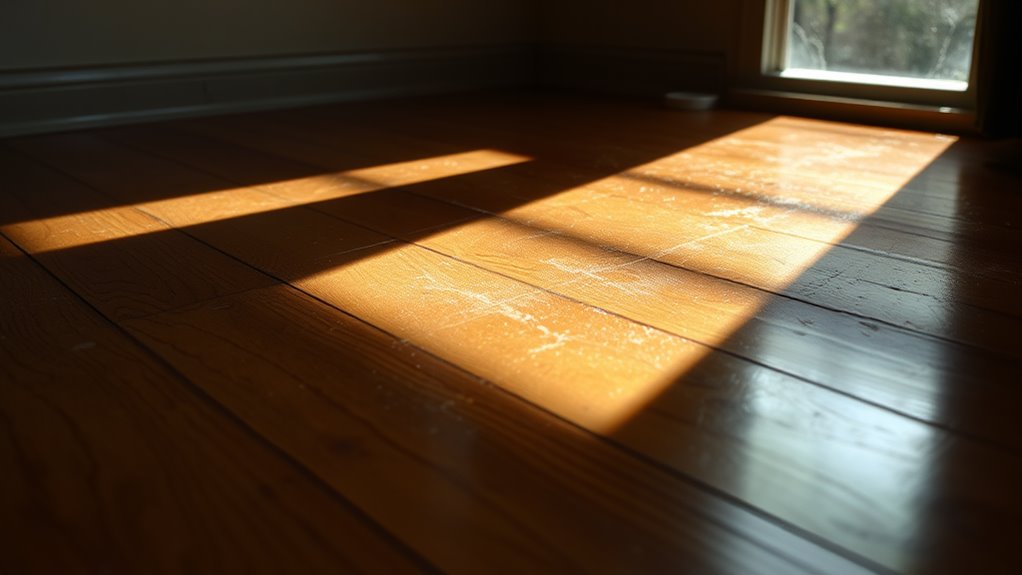
Before finalizing their purchase, buyers should carefully inspect for hidden damages that could lead to costly repairs down the line. It’s crucial to look for signs of hidden mold, which can thrive in damp, unnoticed areas. Buyers should check behind appliances, under sinks, and in corners for any discoloration or unusual odors. Structural issues like cracks in the foundation or sagging ceilings can indicate deeper problems that may not be immediately visible. Taking the time to examine walls, floors, and ceilings for irregularities can save buyers from unexpected expenses later on. A thorough inspection might additionally involve tapping on walls to detect hollow sounds, suggesting potential voids or damage. Additionally, buyers should consider regular inspections to prevent sudden failures and costly repairs in the future. In the end, diligence now can prevent headaches in the future.
Verifying Agreed-Upon Repairs
As buyers prepare for the final walkthrough, it’s essential to confirm that all agreed-upon repairs have been completed to their satisfaction. They should take the time to verify these repairs thoroughly, making certain everything is up to par. Here’s a checklist to help with the process:
- Documenting repairs: Keep a record of what was agreed upon in the contract.
- Visual inspection: Check each repair area for visible signs of completion.
- Assessing quality: Evaluate the workmanship and materials used in the repairs.
- Test functionality: Verify that all repaired items are functioning as intended. Additionally, understanding zoning laws can help buyers ensure that any modifications made during repairs comply with local regulations.
Checking Appliances and Systems
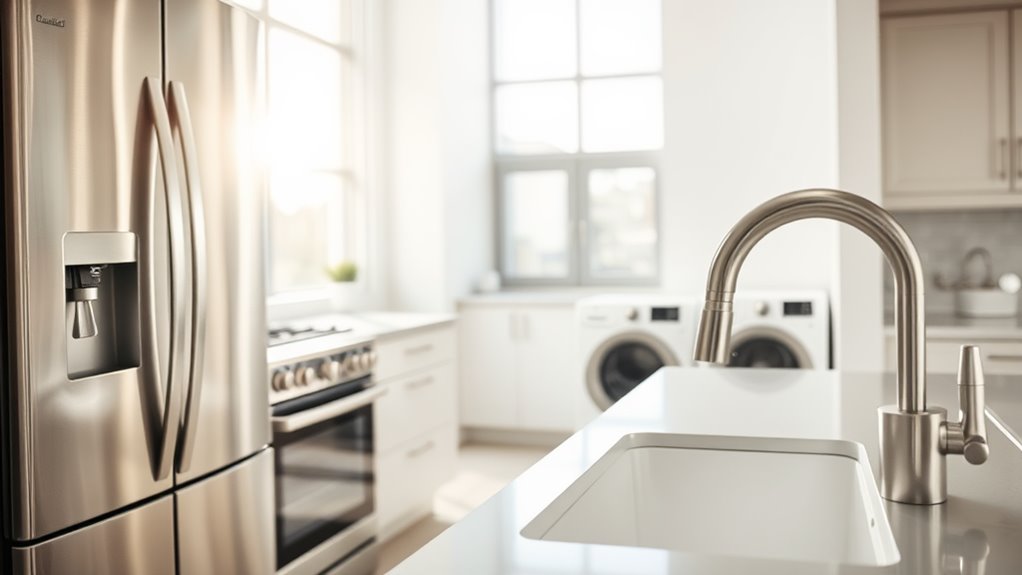
Once buyers have confirmed that all agreed-upon repairs are completed, the next step involves checking appliances and systems in the home. It’s essential to test major appliances like the refrigerator, oven, and dishwasher to guarantee they’re functioning properly. Buyers should also check the heating and cooling systems for peak performance, noting energy efficiency ratings to assess long-term cost savings. Furthermore, they ought to ask the seller for any warranty information on these appliances, as it can provide peace of mind and protection against future repairs. Skipping this step could lead to unexpected expenses after closing, so being thorough during the walkthrough helps buyers feel confident in their new home.
Confirming Included Items and Fixtures
During the final walkthrough, buyers should take a moment to confirm that all included items and fixtures are present and in good condition. This step is essential to avoid any surprises after closing. Here are four key things to check:
- Appliances – Verify all promised appliances are present and functioning.
- Light Fixtures – Confirm that all light fixtures listed in the contract are installed.
- Window Treatments – Check for any curtains, blinds, or shades included in the sale.
- Confirm Warranties – Make certain any warranties for appliances or systems are documented.
Additionally, comprehension of exclusions helps buyers know what’s not included, preventing misunderstandings later. Taking these steps guarantees a smoother shift into their new home. Understanding market trends can also assist buyers in making informed decisions during their final walkthrough.
Reviewing the Condition of Outdoor Spaces
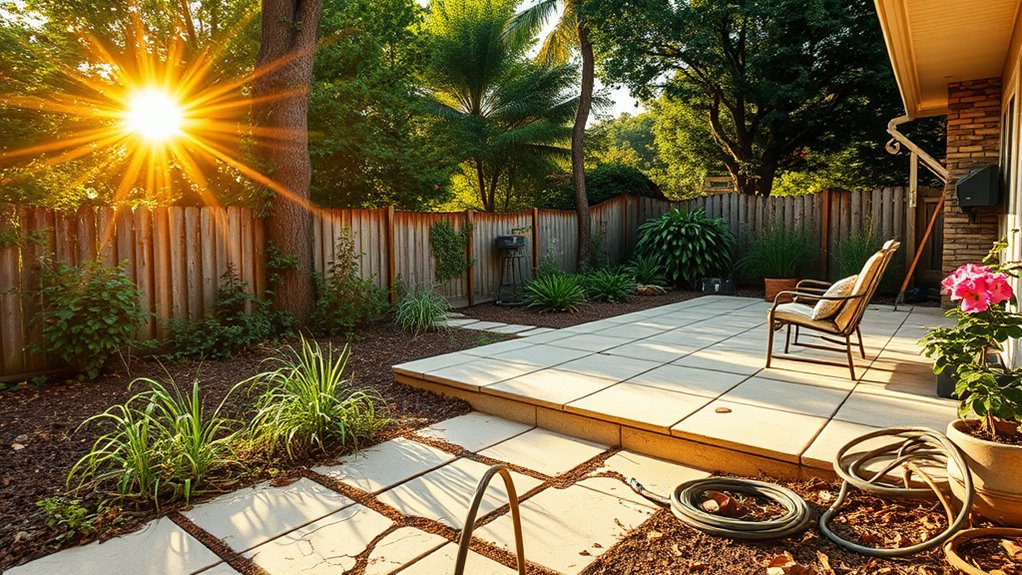
Even though buyers may focus on the interior during the final walkthrough, it’s equally important to review the condition of outdoor spaces. Neglecting this area can lead to unexpected expenses after closing. Buyers should assess the landscaping maintenance, guaranteeing that gardens, lawns, and trees are in good condition. Overgrown plants or damaged features could indicate a lack of upkeep. Furthermore, checking outdoor lighting is essential; functional lights improve safety and aesthetics. Buyers should test each fixture to confirm they work properly, as faulty lighting can pose security risks. By thoroughly evaluating these outdoor elements, buyers can avoid surprises and confirm their new home meets all expectations, inside and out.
Frequently Asked Questions
What Should I Do if I Find New Damages During the Walkthrough?
If someone finds new damages during the walkthrough, they should immediately document the issues with photos and notes. It’s vital for a thorough damage assessment. Afterward, they can approach the seller to discuss repair negotiations. By presenting the documented damages, they can negotiate for repairs to be completed before closing or request a reduction in the sale price to cover the costs. Acting quickly helps guarantee their concerns are addressed effectively.
How Long Does the Final Walkthrough Typically Take?
Like a magician revealing their tricks, the final walkthrough’s usual duration can surprise many. Typically, it lasts about 30 minutes to an hour, depending on the property size and the buyer’s final walkthrough preparation. The process allows buyers to inspect the home thoroughly, ensuring everything’s as it should be. Although it may seem brief, it’s an essential step in the home-buying process, ensuring peace of mind before closing the deal.
Can I Bring Someone Else to the Walkthrough?
When preparing for a final walkthrough, many buyers wonder if they can bring someone else along. It’s typically accepted that having a guest present can be beneficial for support or a second opinion. Nevertheless, it’s important to adhere to walkthrough etiquette; if the agent or seller prefers a more private setting, it’s wise to respect that. In the end, the buyer should communicate their intentions to guarantee a smooth and cooperative experience.
What Paperwork Should I Have During the Final Walkthrough?
Statistics reveal that 30% of homebuyers forget vital documents during their final walkthrough. It’s important they bring a checklist of items, including the purchase agreement, inspection report, and any addendums. These vital documents guarantee they’re fully aware of the property’s condition and any agreed-upon repairs. With everything in hand, they can confidently address any concerns, making their final walkthrough a smooth and successful experience.
Is It Normal to Feel Anxious Before the Final Walkthrough?
It’s completely normal for buyers to feel anxious before their final walkthrough. As they approach this vital step, they’re often focused on final preparations and ensuring everything’s in order. This anxiety can stem from managing expectations about the property’s condition and the overall buying experience. By comprehending that these feelings are common, buyers can better navigate their emotions and prepare for the exciting shift ahead, making the process smoother and more enjoyable.