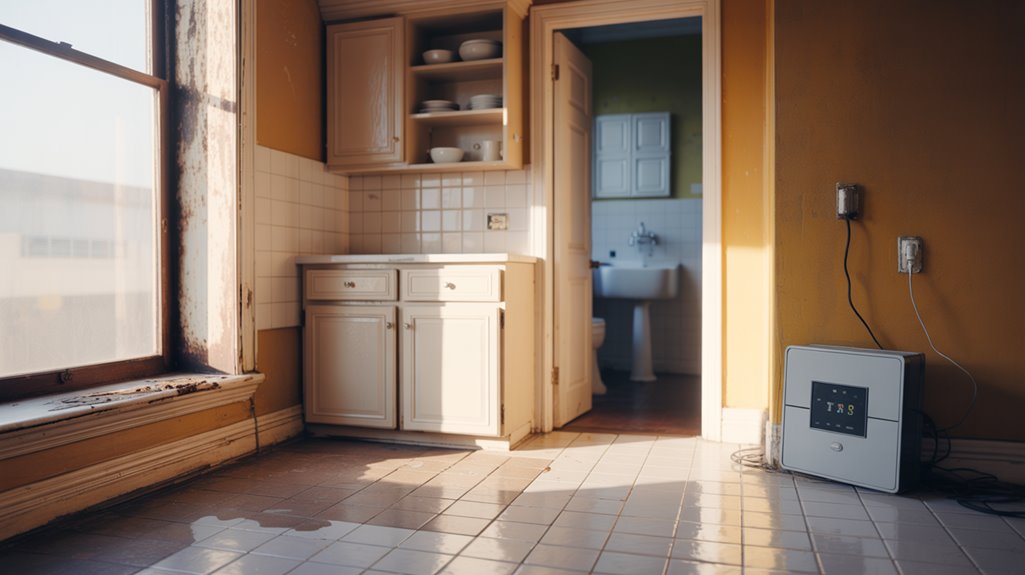
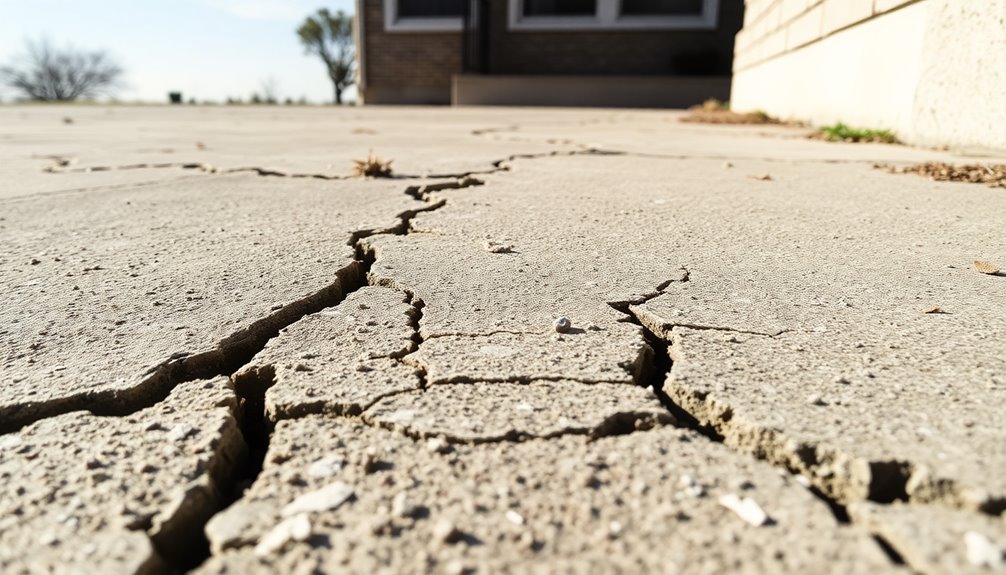
If you notice cracks in your walls or uneven floors, it’s time to pay attention to your concrete foundation. Sticking doors or windows can likewise signal shifts. Look for damp spots, musty odors, and water pooling around your home, which indicate potential water damage. Widening or horizontal cracks are serious warning signs that shouldn’t be ignored. Addressing these issues early can save you from costly repairs down the line. Discover more about protecting your foundation and home.
Article Highlights
- Cracks wider than a quarter-inch, especially horizontal ones, indicate serious foundation issues requiring immediate attention.
- Sticking doors or windows that don’t close properly signal potential shifts in the foundation.
- Visible damp spots or water pooling near the foundation suggest moisture intrusion and possible structural damage.
- Uneven floors can indicate significant settling or shifting of the foundation that needs prompt inspection.
- Persistent musty odors in basements often indicate hidden water problems linked to foundation issues.
Common Signs of Foundation Problems
When you notice cracks in your walls or uneven floors, it’s essential to pay attention, as these can be common signs of foundation problems. You might additionally see doors that stick or windows that won’t close properly. These issues often indicate a shift in your home’s foundation, which could be linked to soil stability concerns. Scheduling a foundation inspection can help identify the root cause and guide necessary repairs. By addressing these signs early, you can prevent more significant damage and safeguard your home’s integrity. Remember, it’s not merely about fixing the visible problems; it’s about ensuring a safe, stable environment for you and others. Serving your home well means being proactive about its foundation health.
Understanding Crack Types and Their Implications
When it pertains to foundation cracks, comprehending the differences is essential. You’ll want to distinguish between vertical and horizontal cracks, in addition to hairline and structural ones, since each type can indicate varying levels of concern. Recognizing these differences can help you determine the necessary steps to address any issues.
Vertical Vs. Horizontal Cracks
Although cracks in your concrete foundation can be concerning, comprehending their type can help you assess the severity of the issue. Vertical cracks typically occur as a result of shrinkage as the concrete cures, and they’re usually not a significant structural threat. Nevertheless, if they widen, they might indicate deeper problems. Conversely, horizontal cracks often signal more serious issues, such as soil pressure against the foundation. These cracks can lead to water infiltration and further damage if left unaddressed. By identifying whether you’re dealing with vertical or horizontal cracks, you can take the right steps to guarantee your foundation remains strong and secure, ultimately protecting your home and serving your family’s needs effectively.
Hairline Vs. Structural Cracks
Although vertical and horizontal cracks provide insight into potential foundation issues, comprehending the difference between hairline and structural cracks is equally important. Hairline cracks, often less than 1/8 inch wide, typically indicate minor surface issues that don’t compromise your foundation’s structural integrity. Nevertheless, they can allow water penetration, which may lead to bigger problems if left unchecked.
On the other hand, structural cracks are wider, often exceeding 1/8 inch, and signal significant foundation problems. These cracks can indicate shifting soil, poor drainage, or inadequate support, which can jeopardize your home’s stability. If you notice either type of crack, it’s wise to consult a professional to guarantee your home remains safe and sound for those you serve.
Signs of Water Damage at Your Foundation
If you notice damp spots or water pooling around your foundation, it’s essential to pay attention, as these could be signs of water damage. Ignoring these issues can lead to mold growth, impacting both your home and health. Here are a few indicators to look for:
| Signs of Water Damage | What It Means |
|---|---|
| Damp spots on walls | Potential moisture intrusion |
| Water pooling in yard | Drainage issues nearby |
| Musty odors in basement | Likely mold growth present |
| Cracked foundation | Structural integrity at risk |
| Peeling paint or wallpaper | Water damage behind surfaces |
Addressing water damage swiftly is essential for maintaining a safe and healthy home environment. For severe moisture problems or persistent foundation cracks, reaching out to a trusted concrete repair contractor in greater Montreal can help you resolve issues before they escalate and protect your property investment. Your proactive care can make a significant difference.
Uneven Floors: A Warning Sign for Homeowners
If you notice uneven floors in your home, it’s a sign that something might be off with your foundation. This issue can stem from various causes, and recognizing the signs early can save you from costly repairs later. Let’s explore what might be happening, how to identify the problem, and the repair options available.
Causes Of Uneven Floors
When you notice your floors feeling uneven underfoot, it’s often a sign that something’s amiss with your home’s foundation. Uneven floors can result from several causes, primarily related to floor slope and load distribution. If your foundation settles unevenly, it can create a noticeable tilt, making walking uncomfortable. Furthermore, plumbing leaks can erode soil beneath the foundation, exacerbating the problem. Poor drainage around your home can lead to moisture accumulation, causing soil shifting and further unevenness. Finally, tree roots can disrupt the ground beneath your foundation, contributing to instability. Being proactive about these issues not only keeps your home safe but likewise guarantees you’re maintaining a comfortable environment for everyone. Addressing these causes swiftly can prevent more serious foundation problems down the line.
Signs To Look For
Uneven floors can be more than just a minor annoyance; they’re often a clear indicator that your foundation requires attention. If you notice your floors sloping or feeling bouncy underfoot, it’s essential to take these signs seriously. These issues might stem from settlement concerns, which can lead to more significant problems if left unaddressed.
Regular foundation inspections can help catch these issues early, ensuring that your home remains a safe haven. Look for cracks in walls or doors that stick, as these can likewise signal underlying foundation troubles. By being proactive, you’re not just protecting your investment; you’re furthermore creating a safer environment for your family and guests. Don’t hesitate to reach out for professional help if you observe these warning signs.
Repair Options Available
Addressing uneven floors swiftly can save you from more extensive damage down the line. When you notice this issue, it’s essential to explore foundation repair options immediately. You might consider hiring a professional who can assess the root cause and provide customized solutions. Common methods include underpinning, which stabilizes your foundation, or mudjacking, which lifts and levels it.
Regular foundation maintenance can likewise help prevent future problems. Simple actions like managing drainage and ensuring gutters function properly can make a huge difference. Remember, timely intervention not just protects your home but also serves your community by maintaining property values. By taking these steps, you’re not merely caring for your home—you’re cultivating a safe and stable environment for everyone around you.
Monitoring Your Basement for Foundation Issues
Monitoring your basement for foundation issues is crucial for maintaining the integrity of your home. Keeping a close eye on certain factors can help you catch problems early. Here are three key aspects to monitor:
- Basement Humidity: Use a hygrometer to check humidity levels. Excess humidity can lead to mold, which weakens your foundation over time.
- Moisture Levels: Look for signs of water pooling or dampness on walls and floors. This could indicate a leak or drainage problem.
- Cracks and Settling: Regularly inspect walls for cracks or shifts. Even small changes can signal underlying issues requiring attention.
How Soil Movement Affects Your Foundation
As your home’s foundation rests on the soil beneath it, any movement in that soil can lead to significant issues. Soil erosion, often caused by heavy rains or poor drainage, can wash away the earth supporting your foundation. When this happens, you might notice cracks in your walls or uneven floors, signaling that your foundation stability is compromised. Even slight shifts can create pressure points, leading to further damage if not addressed quickly. By comprehending how soil movement impacts your foundation, you can better serve your home and guarantee its integrity. Regular inspections and proactive measures can help prevent costly repairs, allowing you to maintain a safe and stable environment for your loved ones.
When to Get Help for Foundation Repairs?
If you notice signs of foundation issues, such as cracks in the walls or uneven floors, it’s vital to seek professional help sooner rather than later. Delaying can lead to more significant problems and higher costs. Here are three important times to get help:
- Visible Cracks: If you spot cracks wider than a quarter-inch, it’s time for a foundation inspection.
- Water Damage: Excess moisture in your basement or crawl space can indicate serious foundation issues that need immediate attention.
- Doors and Windows: If they’re sticking or won’t close properly, this could signal foundation movement that requires a repair timeline.
Addressing these signs quickly can save you from extensive repairs and guarantee your home remains safe and secure.
Preventive Measures to Protect Your Foundation
Foundation issues can often be prevented with some proactive measures. Regular foundation maintenance is key to ensuring your home remains stable and secure. Start by inspecting gutters and downspouts to redirect water away from your foundation. Proper drainage helps prevent soil erosion and keeps your foundation protected. Moreover, consider soil stabilization techniques to reinforce the ground beneath your home. This can prevent shifting and settling, reducing the risk of cracks and other issues. Landscaping can likewise play a role; avoid planting large trees too close to your foundation, as their roots can cause damage. By taking these steps, you’re not just protecting your home—you’re serving your family by ensuring a safe, solid living environment for everyone.
Frequently Asked Questions
How Much Does Foundation Repair Typically Cost?
Foundation repair typically costs between $2,000 and $7,000, but it can vary based on several cost factors. You’ll want to take into account the extent of damage, the type of repair needed, and your geographical location. If you’re serving others, it’s crucial to provide clear estimates and educate them about potential expenses. Remember, investing in foundation repair not just guarantees safety but additionally helps maintain property value in the long run.
Can I Fix Foundation Issues Myself?
You can tackle some minor foundation issues yourself, but it’s essential to know your limits. DIY solutions like sealing cracks and improving drainage can help with foundation maintenance. Nonetheless, for significant problems, it’s best to consult a professional. Remember, you’re serving not just your home but likewise ensuring safety for your loved ones. Always prioritize proper techniques and tools, and don’t hesitate to reach out for expert advice when needed.
What Causes Foundation Problems in Homes?
Foundation problems in homes often stem from settlement issues and drainage problems. When soil underneath shifts or compresses, it can lead to uneven settling, causing cracks and structural damage. Poor drainage can exacerbate these issues by allowing water to pool around your foundation, increasing pressure and eroding soil. You’ll want to keep an eye on these factors to guarantee your home remains safe and sturdy for those you care about.
How Long Do Foundation Repairs Usually Take?
Foundation repairs usually take anywhere from a few days to a couple of weeks, depending on the severity of the damage and the repair methods used. You’ll want to discuss the project timeline with your contractor, as they can give you a clearer estimate based on your unique situation. It’s crucial to guarantee the repairs are done properly for the safety and stability of your home, so take the time you need.
Will Homeowners Insurance Cover Foundation Repairs?
Homeowners insurance might cover foundation repairs, but it really depends on your insurance policy and the cause of the damage. If it’s because of covered perils like fire or certain natural disasters, you might be in luck. Nevertheless, many policies exclude coverage for issues like wear and tear or poor drainage. It’s best to review your policy and talk to your agent to understand your foundation coverage and get clarity on your options.