
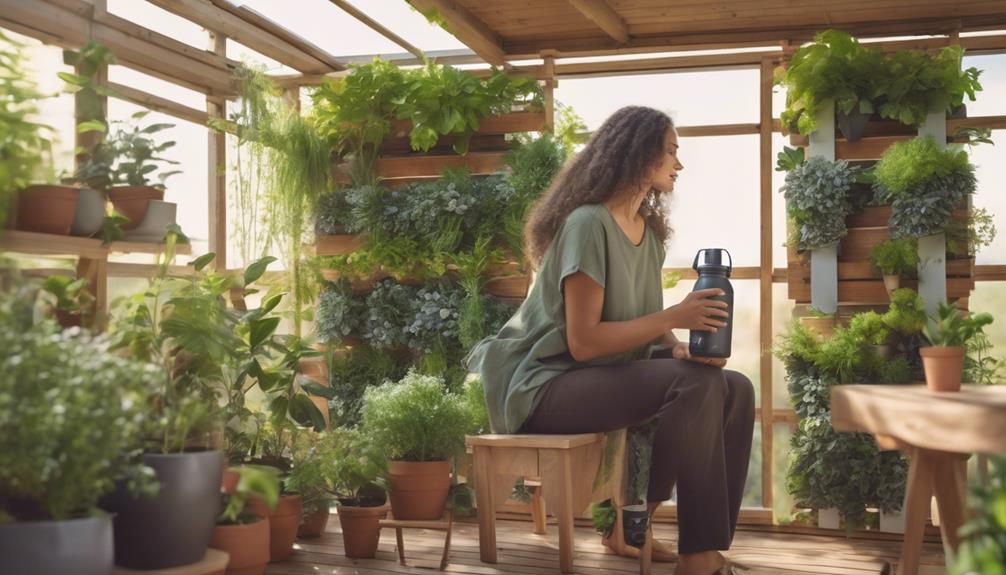
By embracing DIY projects, individuals can greatly minimize their carbon footprint and contribute to a healthier planet. Repurposing old items creatively reduces waste and minimizes environmental impact. Making your own cleaning products using natural ingredients and reducing food waste at home also help. Creating a vertical garden and upcycling old furniture pieces promote sustainable living. Insulating your home naturally and making natural pest control methods are other effective ways to reduce your carbon footprint. From generating power with solar panels to creating a sustainable kitchen, these DIY projects offer innovative solutions to help reduce your carbon footprint – and it's just the beginning.
Repurpose Old Items Creatively
By thinking outside the box, people can breathe new life into old items, transforming them into functional pieces that reduce waste and minimize their carbon footprint. This creative approach to repurposing is not only eco-friendly but also fosters innovation and resourcefulness. Old treasure, once destined for landfills, can be revamped into unique, functional pieces that tell a story.
For instance, an old pallet can be transformed into a coffee table, bookshelf, or even a garden planter. A vintage window can become a beautiful mirror, a room divider, or a decorative wall hanging. The possibilities are endless, and the benefits are twofold: reducing waste and creating something truly unique. Creative reuse encourages people to think creatively, sparking imagination and innovation.
This approach also promotes sustainability by reducing the need for new, resource-intensive materials. By giving old items a new purpose, individuals can notably decrease their carbon footprint. Additionally, upcycling old items can also be a cost-effective way to decorate or furnish a home, making it an attractive option for those on a budget. By embracing creative reuse, individuals can make a positive impact on the environment while expressing their personal style and creativity. Moreover, there is a growing community of enthusiasts sharing ideas and tutorials on upcycling projects for everyday items, making it easier than ever for anyone to get started. These projects not only foster a sense of accomplishment but also encourage collaboration and idea exchange among like-minded individuals. As more people engage in upcycling, the trend continues to inspire innovative solutions for waste reduction and personal expression, proving that creativity can indeed go hand in hand with environmental responsibility.
Make Your Own Cleaning Products
When it comes to making your own cleaning products, the ingredients you choose can make all the distinction. By opting for natural ingredients, individuals can greatly reduce their environmental impact and create a healthier home. With a few simple recipes, anyone can create effective and eco-friendly cleaning solutions that are gentle on the planet and their wallet.
Natural Ingredients Matter
She swaps harsh chemicals for natural ingredients, concocting her own cleaning products that are gentle on surfaces and the environment. By opting for eco-friendly alternatives, she reduces her carbon footprint and creates a healthier living space. This innovative approach extends beyond cleaning products to her beauty routine, where she favors sustainable skincare and eco-friendly cosmetics. She's discovered that natural ingredients like coconut oil, baking soda, and essential oils can replace harsh chemicals, providing effective and gentle cleaning power. Additionally, these natural ingredients are often multi-purpose, reducing waste and the need for multiple products. By making her own cleaning products, she's not only helping the environment but also saving money and reducing her reliance on single-use plastics. This DIY approach encourages creativity, self-sufficiency, and a deeper connection with the natural world. As she continues to experiment with natural ingredients, she's inspired to explore more sustainable living practices, fostering a healthier planet and a clearer conscience.
Easy Cleaning Recipes
Five simple recipes can transform her cleaning routine, replacing harsh chemicals with natural ingredients that are gentle on surfaces and the environment. By making her own cleaning products, she'll not only reduce her carbon footprint but also give her home a Fresh Start. With Green Thumbs guiding her, she'll create effective and eco-friendly cleaning solutions that benefit both her family and the planet.
Here are five easy recipes to get her started:
- All-Purpose Cleaner: Mix 1 cup water, 1/2 cup white vinegar, and 1 tablespoon castile soap in a spray bottle. Shake well and use on surfaces, countertops, and sinks.
- Natural Disinfectant: Combine 1 cup water, 1/4 cup lemon juice, and 1 tablespoon tea tree oil in a spray bottle. Spray on high-touch areas, let sit for 1 minute, and wipe clean.
- Tile and Grout Cleaner: Mix 1 cup baking soda, 1/2 cup white vinegar, and 1 tablespoon castile soap to create a paste. Apply to tile and grout, let sit for 30 minutes, and scrub clean.
- Furniture Polish: Blend 1 cup olive oil, 1/2 cup lemon juice, and 1 tablespoon beeswax in a bowl. Apply to wood surfaces with a soft cloth and buff to shine.
- Air Freshener: Combine 1 cup water, 1/4 cup baking soda, and 10 drops of her favorite essential oil in a spray bottle. Shake well and spritz the air for a delightful scent.
Reduce Food Waste at Home
By planning meals, shopping from local farmers, and using up leftovers, households can greatly reduce the staggering 30-40% of food that's tossed out each year. Food planning is key to reducing waste, and it starts with creating a weekly meal plan. This helps households avoid buying too much food that may go to waste. Additionally, making a grocery list based on the meal plan guarantees that only necessary items are purchased.
Grocery shopping from local farmers is another essential step in reducing food waste. When shopping from local farmers, households are more likely to buy what's in season, reducing the likelihood of waste. Moreover, buying in bulk and using up leftovers can notably reduce the amount of food thrown away. Households can also get creative with leftovers by freezing them for future meals or using them in new recipes.
Implementing these simple yet effective strategies can make a notable impact on reducing food waste at home. By being mindful of food planning and grocery shopping habits, households can reduce their carbon footprint and contribute to a more sustainable future. With a little planning and creativity, households can make a difference and reduce the staggering amount of food that's tossed out each year.
Create a Vertical Garden
After reducing food waste, households can further minimize their environmental impact by creating a vertical garden, which not only provides fresh produce but also helps purify the air and reduce carbon emissions. This innovative DIY project transforms urban spaces into thriving ecosystems, fostering a sense of connection to nature. By utilizing vertical space, individuals can cultivate their own Urban Oasis, replete with lush greenery and vibrant flowers.
Creating a vertical garden offers numerous benefits, including:
- Increased air quality: Green Walls absorb pollutants and release oxygen, improving indoor air quality.
- Year-round harvesting: With controlled climates, vertical gardens can produce fresh produce 365 days a year.
- Space efficiency: Maximize space in small apartments or backyards with vertically stacked planters.
- Aesthetic appeal: Living walls add a touch of natural beauty to any room or exterior façade.
- Reduced carbon footprint: By growing local, individuals reduce their reliance on industrial agriculture and transportation emissions.
Upcycle Old Furniture Pieces
Through creative repurposing, old furniture pieces can be transformed into functional works of art, reducing waste and the demand for new, resource-intensive furnishings. This approach not only reduces carbon footprint but also gives new life to discarded items, making it a win-win for the environment and your wallet. Upcycling old furniture is an excellent way to practice sustainable living, and it's easier than you think.
Furniture Revival, a term coined to describe the process of giving old furniture a new lease on life, is a creative outlet for those who enjoy DIY projects. With a little imagination and some basic tools, you can turn an old dresser into a kitchen island, a vintage door into a coffee table, or an old ladder into a bookshelf. The possibilities are endless, and the result is a one-of-a-kind piece that tells a story.
Vintage Restoration is another aspect of upcycling, where you restore old furniture to its former glory. This process requires patience, attention to detail, and a passion for preserving history. Whether you're revamping a family heirloom or rescuing a thrift store find, vintage restoration is a labor of love that yields stunning results. By choosing to upcycle old furniture, you're not only reducing waste but also preserving a piece of history, making it a valuable contribution to a more sustainable future.
Conserve Water With Rain Barrels
Every year, millions of gallons of rainwater flow directly into storm drains, carrying pollutants and contaminants into our waterways, but installing a rain barrel can help redirect this precious resource. By harvesting rainwater, individuals can conserve water, reduce their water bill, and minimize their carbon footprint. Rain barrels are an effective way to collect and store rainwater, which can be used for non-potable purposes such as watering plants, washing cars, and flushing toilets.
Here are some benefits of installing a rain barrel:
- Reduced stormwater runoff: Collecting rainwater reduces the amount of pollutants entering our waterways, protecting aquatic ecosystems.
- Water conservation: Harvested rainwater can be used for non-potable purposes, reducing the demand on municipal water supplies.
- Lower water bills: By using harvested rainwater, individuals can reduce their water consumption and lower their water bills.
- Increased food security: Rainwater can be used for irrigation, reducing the reliance on municipal water supplies for food production.
- Aesthetic appeal: Rain barrels can be decorative and add a touch of elegance to any yard or garden.
Build a DIY Compost Bin
When building a DIY compost bin, it's essential to choose the right materials that can withstand outdoor conditions and facilitate the decomposition process. The good news is that you likely have most of the necessary materials lying around the house, such as wooden pallets, chicken wire, and some basic tools. With a few simple steps, you can assemble your compost bin and start reducing your carbon footprint by turning food scraps into nutrient-rich soil.
Compost Bin Materials
She gathers a variety of materials to build a DIY compost bin, including a wooden pallet, wire mesh, and a few simple tools. This eco-friendly project is perfect for urban farming enthusiasts who want to reduce their carbon footprint and create a sustainable outdoor decor. To create a functional and aesthetically pleasing compost bin, she collects the following materials:
- Wooden pallet (free or low-cost)
- Wire mesh (for aeration and pest control)
- Waterproof glue
- Hammer and nails
- Weather-resistant screws
Easy Assembly Process
With her materials gathered, she begins constructing the compost bin by attaching the wire mesh to the wooden pallet using weather-resistant screws. This step is important in creating a sturdy structure that can withstand outdoor elements. Next, she assembles the pallet's sides, making sure they're securely attached to the base. The Quick Fixations of this design make it easy to disassemble and reassemble the bin as needed.
The Simplified Designs of this DIY project make sure that anyone can build a functional compost bin. The wire mesh allows for airflow and easy turning of the compost, while the wooden pallet provides a sturdy base. With the structure in place, she adds the lid, ensuring it's secure and can be easily opened for maintenance. Throughout the assembly process, she takes care to make sure the bin is well-ventilated and accessible. The easy-to-follow instructions and minimal materials required make this project an ideal solution for those looking to reduce their carbon footprint. In no time, she's ready to start composting and reducing her waste.
Make Natural Pest Control
Regularly, homeowners unknowingly invite pests into their homes by using chemical-based pest control products that harm the environment, making natural pest control methods an essential alternative. These eco-friendly alternatives not only reduce the carbon footprint but also guarantee a healthier living space. By adopting organic gardening practices, individuals can maintain a pest-free garden without compromising the environment.
Here are some effective natural pest control methods to contemplate:
- Neem oil: Derived from the seeds of the neem tree, neem oil is a natural pesticide that can be used to repel pests.
- Diatomaceous earth: A naturally occurring, organic powder that dehydrates pests, causing them to die.
- Predatory insects: Encourage the presence of beneficial insects, such as ladybugs and lacewings, which prey on pests.
- Essential oils: Certain essential oils, like peppermint and lemongrass, can repel pests naturally.
- Companion planting: Planting certain vegetables and herbs together can deter pests, reducing the need for chemical pesticides.
Insulate Your Home Naturally
One of the simplest yet most effective ways to reduce heat loss and energy consumption is to insulate your home naturally. By doing so, you can greatly decrease your carbon footprint and save on energy bills. There are several eco-friendly insulation options available, and it's important to choose the right one for your home.
Earth wool, a natural and sustainable insulation material, is an excellent choice. Made from recycled glass or rock, earth wool is non-toxic, fire-resistant, and can be recycled itself at the end of its life cycle. It's also incredibly effective, with high thermal performance that can reduce heat loss by up to 90%.
Another innovative option is recycled denim insulation. Yes, you read that right – denim! This eco-friendly material is made from recycled denim jeans, which are shredded and treated with a natural borate-based flame retardant. Not only does it provide excellent thermal insulation, but it's also a great way to upcycle old denim and reduce waste.
When selecting a natural insulation material, it's essential to take into account factors like R-value, moisture resistance, and durability. By choosing the right material for your climate and home type, you can enjoy a cozy, energy-efficient living space while minimizing your environmental impact. So why not get creative and give natural insulation a try? Your wallet – and the planet – will thank you!
Create a Sustainable Kitchen
By incorporating eco-friendly habits and sustainable materials into kitchen design, homeowners can greatly reduce their environmental impact while cooking up a storm. A sustainable kitchen is not only good for the planet, but it's also a great way to create a healthy and comfortable cooking space.
To get started, homeowners can focus on incorporating eco-friendly appliances into their kitchen design. Look for appliances with the Energy Star label, which indicates that they meet energy efficiency standards set by the U.S. Environmental Protection Agency.
Here are some additional ways to create a sustainable kitchen:
- Choose sustainable countertops made from recycled materials, bamboo, or reclaimed wood.
- Use low-VOC (volatile organic compound) paints and finishes to improve indoor air quality.
- Install a water-efficient faucet and consider a greywater reuse system.
- Incorporate natural light by adding larger windows or skylights, reducing the need for artificial lighting.
- Opt for second-hand or repurposed kitchen furniture and decor to reduce waste and support sustainable living.
Generate Power With Solar Panels
When it comes to generating power with solar panels, homeowners often focus on two key aspects: system installation costs and energy output capacity. While the initial investment in solar panels can be substantial, the long-term savings and environmental benefits make it an attractive option. By understanding these two critical factors, individuals can make informed decisions about harnessing the power of solar energy.
System Installation Costs
Installing a solar panel system can be a significant upfront investment, with the average cost of a residential solar panel system ranging from $15,000 to $30,000 or more, depending on the size and quality of the system. However, with the rising cost of traditional energy sources, solar panels are becoming increasingly competitive, achieving grid parity in many regions. This means that the cost of generating electricity through solar power is now comparable to, or even cheaper than, traditional energy sources.
Despite the initial investment, solar panels can provide significant cost savings in the long run. Here are some key benefits:
- Reduced energy bills: Solar panels can save homeowners up to $500 per year on their energy bills.
- Increased property value: Installing solar panels can increase your property value by up to $15,000.
- Low maintenance: Solar panels require minimal maintenance and can last up to 30 years or more.
- Government incentives: Homeowners may be eligible for tax credits and rebates for installing solar panels.
- Environmental benefits: Solar panels produce clean, renewable energy, reducing your carbon footprint and contributing to a sustainable future.
Energy Output Capacity
Solar panels can generate a significant amount of power, with a typical residential system producing between 250 and 600 watts per panel. This energy output capacity is an important aspect of reducing your carbon footprint, as it directly impacts the amount of power you can generate and use in your home. By optimizing your solar panel system's energy efficiency, you can maximize your power generation and reduce your reliance on the grid.
To get the most out of your solar panels, it's vital to take into account factors such as panel placement, angle, and shading. Even small adjustments can make a significant difference in energy output. For instance, a 1% increase in energy efficiency can translate to an additional 10-20 kilowatt-hours of power per year. By combining energy-efficient solar panels with smart power generation strategies, you can create a highly effective and sustainable energy system that reduces your carbon footprint and saves you money on your energy bills. By harnessing the power of the sun, you can take a significant step towards a cleaner, greener future.
Frequently Asked Questions
How Do I Get Started With DIY Projects if I'm Not Handy?
She's not handy, but she's willing to learn. That's the first hurdle overcome! Building confidence starts with small, manageable projects. She begins by identifying what sparks her curiosity, then breaks it down into achievable tasks. Overcoming fears of failure, she starts small, celebrating each success. With each accomplishment, her confidence grows, and soon she's tackling more complex DIY projects, proud of her newfound skills and the positive impact on the environment.
Are DIY Projects Really Cost-Effective in the Long Run?
She wonders if DIY projects truly offer cost savings in the long run. While initial investments might seem steep, long-term benefits far outweigh the costs. By taking matters into her own hands, she'll gain financial rewards through reduced energy consumption, extended product lifecycles, and minimized waste. As she refines her DIY skills, she'll discover a world of cost-effective solutions, ultimately saving money and the planet.
Can I Involve My Kids in DIY Projects to Teach Them Sustainability?
She can definitely involve her kids in DIY projects to teach them sustainability, fostering environmental empathy from a young age. This collaborative approach not only promotes family bonding but also instills a sense of responsibility in the next generation. By working together, they'll develop a deeper appreciation for the impact of their actions on the planet, creating a lasting legacy of eco-friendliness.
How Do I Know if a DIY Project Is Worth the Time and Effort Invested?
Like a master chef seasoning a dish, she carefully weighs the ingredients of a DIY project before diving in. To determine if a project is worth the time and effort, she practices Project Prioritization, evaluating its potential impact and feasibility. Effective Time Management is key, as she allocates resources wisely, guaranteeing a fruitful outcome. By doing so, she secures that her endeavors yield tangible results, making the investment worthwhile.
Can I Customize DIY Projects to Fit My Personal Style and Needs?
She can definitely customize DIY projects to fit her personal style and needs. By incorporating personalized decor and sustainable accents, she can create unique pieces that reflect her individuality. With a little creativity, she can adapt DIY projects to suit her taste, ensuring that her space is both eco-friendly and aesthetically pleasing. By doing so, she'll create a space that not only reduces her carbon footprint but also showcases her personality.