

Tracking every dollar spent helps individuals gain control of their finances. It reveals spending patterns and emphasizes unnecessary expenses, encouraging better financial decisions. Consistent tracking cultivates awareness and promotes accountability, enabling people to align their expenditures with long-term goals. They can budget more effectively and prioritize savings, paving the way for a sustainable financial future. Discovering the right tools and overcoming challenges can further improve this path to financial stability.
Article Highlights
- Tracking every dollar spent enhances awareness of spending habits, revealing patterns that can lead to informed financial decisions.
- It helps identify unnecessary expenses, allowing for adjustments to align spending with long-term financial goals.
- By cultivating financial discipline through tracking, individuals can develop healthier relationships with their finances and reduce emotional spending.
- Consistent tracking provides insights that aid in effective budgeting, ultimately leading to improved financial stability and accountability.
- Monitoring expenses empowers individuals to set realistic savings goals and prioritize financial aspirations for a secure future.
Understanding Your Spending Habits
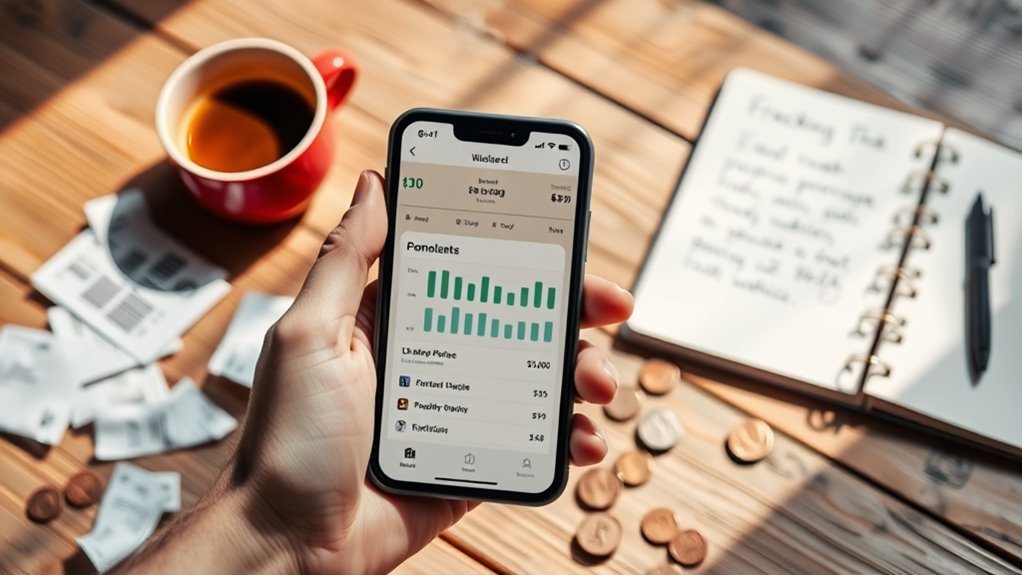
Grasping your spending habits is crucial for managing finances effectively. By analyzing spending patterns, individuals can gain insights into their financial behavior. They may discover they consistently overspend on dining out or neglect to account for subscription services. Recognizing these trends allows for more informed decisions and helps identify unnecessary expenditures. It’s not just about where money goes, but comprehending the motivations behind such choices. Are emotional triggers influencing purchases? Are there habits developed over time that lead to impulsive buys? By taking a close look at their spending habits, individuals can cultivate a healthier relationship with money, eventually leading to better financial outcomes. This awareness is the first step in taking control of one’s financial future. Additionally, tracking expenses helps individuals identify areas for cutting back and reallocating funds to debt repayment.
The Importance of Budgeting
Even though many people may underestimate its significance, budgeting is a fundamental tool for achieving financial stability. Effective budgeting strategies cultivate financial discipline, allowing individuals to allocate resources efficiently and avoid unnecessary stress. By tracking income and expenses, one can identify spending patterns and set realistic financial goals. Financial literacy is essential for making informed financial decisions that contribute to overall wellbeing.
| Category | Monthly Budget | Actual Spending |
|---|---|---|
| Housing | $1,200 | $1,150 |
| Groceries | $400 | $450 |
| Transportation | $300 | $280 |
| Entertainment | $150 | $120 |
| Savings | $500 | $600 |
This table illustrates how budgeting helps individuals stay accountable, ensuring they live within their means as they work toward their financial aspirations.
Identifying Unnecessary Expenses

Budgeting lays the groundwork for comprehension where money goes, making it easier to spot unnecessary expenses. By tracking spending, individuals can identify luxury items that aren’t vital, in addition to impulse purchases that disrupt their financial stability. Frequent dining out and excessive entertainment costs often add up, revealing hidden fees that can drain budgets without notice. Subscription services, which seem harmless, can likewise contribute to lifestyle inflation if left unchecked. Evaluating shopping habits enables a clearer picture of where money’s being wasted. By recognizing these unnecessary expenses, individuals can make informed decisions, ensuring their finances align with their long-term goals and values. In the end, identifying these costs is an important step toward achieving financial wellness. Additionally, maintaining a budget that includes monthly student loan payments can help prioritize spending and enhance overall financial management.
Setting Financial Goals
Financial goals serve as a roadmap for individuals looking to navigate their financial path effectively. By setting clear financial aspirations, they can create a vision for their future. It’s important to recognize what matters most, whether it’s saving for a home, building an emergency fund, or planning for retirement. Goal prioritization helps individuals focus on the most pressing objectives first, ensuring that their efforts align with their values and life circumstances. This structured approach not just simplifies decision-making but also improves motivation, as individuals can track their progress toward each milestone. In the end, having well-defined financial goals empowers individuals to take control of their finances and make informed choices that lead to lasting financial stability and success. Additionally, adopting a savings mindset can transform how individuals approach their financial goals by viewing every dollar not spent as a victory.
The Impact of Tracking on Savings

Tracking spending can greatly improve a person’s awareness of their financial habits. By identifying unnecessary expenses, they’re better equipped to set realistic savings goals. This newfound clarity often leads to more effective budgeting and improved savings potential. Additionally, understanding cash flow management can provide insights into optimizing resource allocation for future financial goals.
Increased Awareness of Spending
Although many people may not realize it, keeping a close eye on spending habits can greatly improve one’s ability to save money. By tracking every dollar, individuals cultivate financial mindfulness, which encourages a deeper comprehension of their spending patterns. This heightened awareness promotes conscious spending, allowing them to make informed choices about where their money goes. When people recognize their financial behaviors, they’re more likely to prioritize savings over impulse purchases. This shift in mindset can lead to significant long-term benefits, as even small adjustments in daily expenses can accumulate into substantial savings. In the end, the practice of monitoring expenditures empowers individuals to take control of their finances, paving the way for a more secure financial future.
Identifying Unnecessary Expenses
How can one truly identify unnecessary expenses? By diligently tracking every dollar spent, individuals can pinpoint areas where savings are possible. They may discover excessive grocery spending or realize their subscription services are stacking up without being used. Impulse purchases often add to monthly bills, whereas dining out and entertainment costs can be greatly reduced. Utility expenses, too, can sometimes be trimmed by being more mindful. Travel expenses and clothing purchases might reveal patterns of overindulgence, especially in online shopping. By reviewing past spending, one can highlight these unnecessary costs and make informed adjustments. In the end, this awareness paves the way for better financial health, nurturing a habit of spending wisely and saving effectively.
Setting Realistic Savings Goals
Once individuals have identified unnecessary expenses, they can start setting realistic savings goals that align with their financial situation. By tracking their spending, they can establish realistic expectations, ensuring their goals are achievable. Here are some steps to set effective savings milestones:
- Assess Current Savings: Review how much is already saved.
- Determine Short-Term Goals: Identify savings targets for the next six months.
- Set Long-Term Goals: Consider bigger objectives, like a home down payment.
- Adjust Periodically: Regularly revisit and adjust goals based on financial changes.
Enhancing Financial Awareness
Although many people may overlook the importance of tracking their spending, enhancing financial awareness is crucial for making informed decisions. By developing financial literacy and practicing money mindfulness, individuals can better understand their spending habits and identify areas for improvement. Access to financial education systems is vital to empower individuals in managing their finances effectively.
Here’s a simple breakdown of spending categories:
| Category | Monthly Budget | Actual Spending |
|---|---|---|
| Housing | $1,200 | $1,250 |
| Food | $400 | $350 |
| Transportation | $150 | $200 |
| Entertainment | $100 | $120 |
| Savings | $300 | $250 |
This table illustrates how tracking spending can reveal discrepancies, encouraging individuals to reassess priorities and make adjustments for a healthier financial future.
Tools and Apps for Expense Tracking
In terms of managing expenses, many people turn to various tools and apps designed for tracking spending. These applications often come with features that make budgeting easier and can integrate with other financial tools. Exploring popular options can help users find the right fit for their financial goals.
Popular Expense Tracking Apps
As individuals seek to gain better control over their finances, popular expense tracking apps have emerged as essential tools in managing spending habits. These apps simplify the expense tracking process, allowing users to monitor their financial health with ease. When considering app comparisons, users should keep in mind the following factors:
- User Interface: A clean design can improve usability.
- Integration Options: Compatibility with bank accounts streamlines tracking.
- Budgeting Features: Some apps offer advanced budgeting tools.
- Reports and Analytics: Insights into spending patterns can aid decision-making.
Features to Consider
Choosing the right expense tracking app goes beyond just popularity; it’s about finding features that align with personal financial goals. Users should prioritize a user-friendly interface, as it’s vital for consistent tracking. A streamlined design encourages regular use, making it easier to log expenses.
Moreover, conducting a feature comparison between different apps can reveal important tools like receipt scanning, budget categorization, and real-time reporting. These features improve tracking efficiency and provide valuable insights into spending habits. Users may likewise consider customization options, which allow them to tailor the app to their unique financial situations. By focusing on these key features, individuals can select an expense tracking app that truly supports their financial path.
Budgeting Tools Integration
Integrating budgeting tools with expense tracking apps can greatly improve financial management. Users can utilize various budget apps to streamline their finances and enjoy several integration benefits, including:
- Real-time tracking: Automatically syncs transactions, ensuring accurate expense records.
- Comprehensive insights: Provides detailed reports, making it easier to analyze spending patterns.
- Goal setting: Helps users set and track financial goals, encouraging better budgeting habits.
- Simplified categorization: Automatically categorizes expenses, saving time and reducing manual entry.
Overcoming Common Challenges
Though many people intend to track their spending, they often face common challenges that can derail their efforts. One significant hurdle is developing a budgeting mindset; without it, tracking expenses can feel overwhelming. Many individuals struggle to maintain the discipline needed for consistent expense accountability, leading to frustration and eventual abandonment of their tracking efforts. Furthermore, the sheer volume of transactions can make it tough to stay organized. To overcome these challenges, individuals can start small by setting specific goals and using tools that simplify tracking. By cultivating a positive attitude toward budgeting and holding themselves accountable, they can gradually build the habits necessary for successful spending tracking. With persistence, these challenges can be managed effectively, especially by prioritizing savings with high-interest debt to improve financial discipline.
Building a Sustainable Financial Future
As individuals prioritize tracking their spending, they can lay the groundwork for a sustainable financial future. By increasing their financial literacy, they’re better equipped to make informed decisions that lead to long-term stability. Here are four crucial steps to contemplate:
- Set clear financial goals: Define short-term and long-term objectives.
- Create a budget: Allocate funds for necessities, savings, and investments.
- Invest in sustainable options: Look for sustainable investments that align with personal values.
- Monitor progress regularly: Review spending and adjust strategies to stay on track. Additionally, understanding inflation’s effects can help individuals protect their savings and make more informed investment choices.
Frequently Asked Questions
How Can Tracking Expenses Improve Financial Literacy?
In the garden of personal finance, tracking expenses is the sunlight that nurtures financial literacy. By keeping a close eye on spending, individuals cultivate financial awareness, enabling them to see where their money flows. This newfound clarity sharpens budgeting skills, allowing them to allocate resources more effectively. As they prune unnecessary expenses, they can grow their savings, paving the way for a flourishing financial future. It’s an expedition of transformation, one dollar at a time.
What Are the Best Methods for Tracking Cash Expenses?
In terms of tracking cash expenses, several effective methods stand out. Many people find that using cash envelopes helps them manage their spending by providing a visual representation of their budget. Others prefer the convenience of mobile apps, which can automatically categorize and track expenses in real-time. Each method has its benefits, but the key is finding one that fits an individual’s lifestyle and encourages consistent tracking of cash expenditures.
Can Tracking Spending Help With Impulse Buying?
Tracking spending can certainly enhance impulse control, creating a financial fortress against unnecessary purchases. When one actively monitors their expenses, they gain clarity on their budgeting strategies, allowing them to identify patterns of impulse buying. This awareness encourages mindful spending habits, making it easier to resist temptation. Ultimately, by keeping a close eye on their finances, individuals can curb impulsive decisions and strengthen their financial well-being, one dollar at a time.
Should I Track Income Along With Expenses?
When considering whether to track income along with expenses, it is crucial to note that income tracking provides a clearer picture of financial health. By monitoring both aspects, one can see expense correlation, helping identify trends and potential areas for improvement. This holistic approach allows individuals to make informed decisions about budgeting and saving, ensuring they’re not just aware of their spending but likewise how their income supports their financial goals.
How Often Should I Review My Spending Habits?
In terms of reviewing spending habits, consistency is key. Weekly check-ins can help individuals stay aware of their daily expenditures, whereas monthly reviews allow for a broader perspective on spending patterns. By balancing both methods, they can pinpoint potential pitfalls and progress. Regular reflection not merely reinforces responsibility but additionally promotes prudent financial practices, ensuring that they’re on track to meet their monetary goals without missing a beat in their budgeting process.