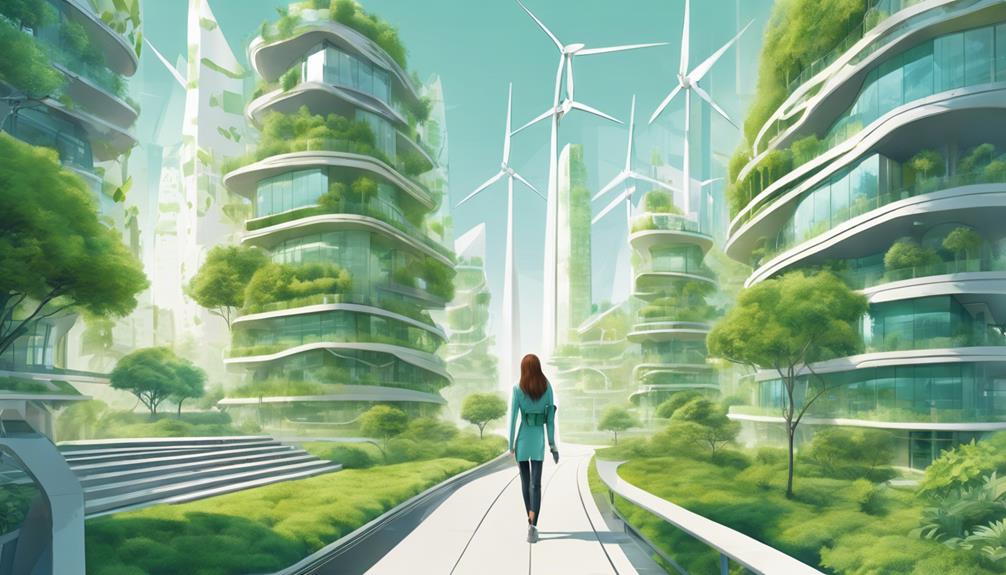
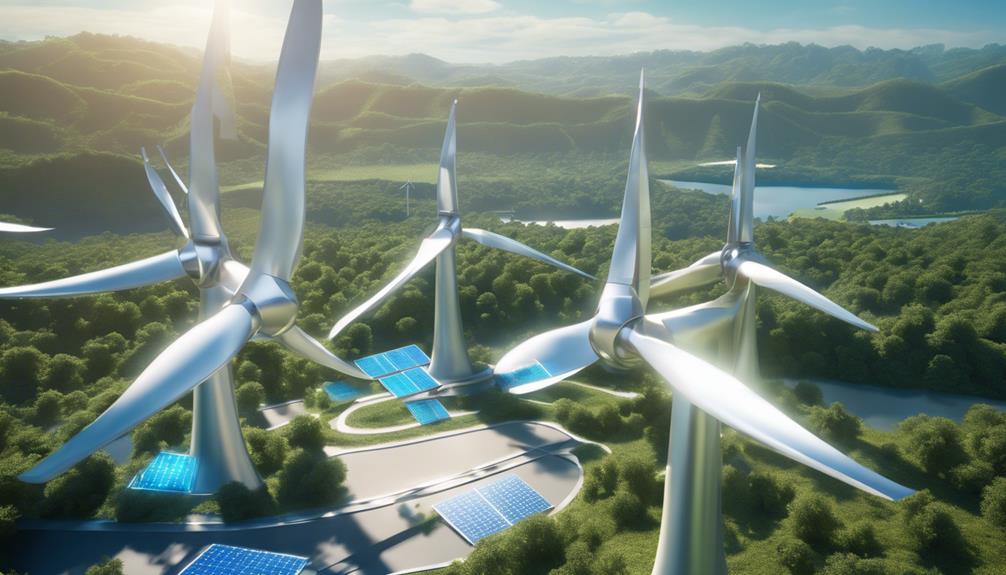
As the world moves towards a low-carbon economy, renewable energy technologies are poised to transform the global energy landscape. Solar energy advancements and decreasing costs are driving proliferation globally. Wind power's increased efficiency and innovative blade designs are harnessing more energy. Hydroelectric power is providing baseload power and grid stabilization, while geothermal energy is exploring untapped potential. Energy storage technologies are breaking through with longer battery life and optimized systems. And that's just the beginning – as innovators and policymakers continue to push the boundaries, the future of renewable energy technologies holds much more in store.
Solar Energy's Bright Future
As the world shifts its focus towards a sustainable future, solar energy is emerging as a beacon of hope, with advancements in technology and decreasing costs making it an increasingly viable alternative to fossil fuels. The industry's rapid growth is evident in the proliferation of solar farms, which are becoming increasingly common across the globe. These vast fields of photovoltaic panels are capable of generating enormous amounts of electricity, making them an essential component in the shift to renewable energy.
In addition to their terrestrial applications, solar energy is also being explored as a potential power source for space exploration. NASA and other space agencies are already utilizing solar panels to power their satellites and spacecraft, and it's not hard to imagine a future where solar energy is used to propel humanity's next great leaps into the cosmos. As the technology continues to evolve, it's likely that we'll see even more innovative applications of solar energy in the years to come.
One thing is clear: the future of solar energy is bright, and it's an exciting time to be a part of this rapidly evolving industry. With the cost of solar panels decreasing dramatically over the past decade, it's becoming increasingly accessible to individuals and businesses alike. As the world continues to shift towards a more sustainable future, it's likely that solar energy will play an increasingly significant role.
Wind Power's Increasing Efficiency
Wind turbines are now producing more electricity per unit than ever before, thanks to advancements in blade design and materials. These innovations have led to increased energy harvesting capabilities, making wind power a more viable option for countries seeking to reduce their carbon footprint. The latest generation of wind turbines boasts longer blades and more efficient rotors, allowing them to capture more energy from the wind. This results in higher capacity factors, meaning they can operate at or near maximum capacity for a larger percentage of the time.
Advances in materials science have also played a vital role in improving wind turbine efficiency. New materials and manufacturing techniques have enabled the production of stronger, lighter blades that can withstand harsh weather conditions. This has led to a significant reduction in maintenance costs and downtime, making wind energy a more cost-effective option.
As the technology continues to evolve, experts predict that wind turbines will soon be capable of harnessing even more energy from the wind. With the global push towards renewable energy, the increasing efficiency of wind power is a welcome development. As the world shifts away from fossil fuels, innovations in wind turbine design and materials will play an essential role in meeting our growing energy demands.
Hydroelectric Power's Global Potential
Hydroelectric power, already a significant contributor to the global renewable energy mix, is poised to play an even more substantial role in the future. As the world continues to shift towards a low-carbon economy, hydroelectric power is well-positioned to capitalize on its unique advantages. With the ability to provide both baseload power and peaking capacity, hydroelectric power plants can stabilize the grid and balance out the variability of other renewable energy sources.
Recent advancements in water turbines have greatly improved efficiency, allowing for more power to be generated from the same amount of water. This increased efficiency, combined with the development of new technologies such as pumped hydro storage, has opened up new opportunities for hydroelectric power to provide ancillary services to the grid.
Here are three key factors driving the growth of hydroelectric power:
- Improved water turbines: Advances in turbine design and materials have increased efficiency, allowing for more power to be generated from the same amount of water.
- Enhanced dam safety: Strengthened regulations and improved safety protocols have reduced the risk of dam failures, making hydroelectric power a more reliable option.
- Increased global investment: Governments and private investors are pouring money into hydroelectric projects, driving growth and innovation in the industry.
As the global energy landscape continues to evolve, hydroelectric power is poised to play a vital role in the shift to a low-carbon future. With its unique combination of reliability, flexibility, and scalability, hydroelectric power is an essential component of the renewable energy mix.
Geothermal Energy's Hidden Opportunities
Geothermal energy, long overshadowed by more prominent renewable energy sources, conceals vast untapped potential waiting to be unearthed. With advancements in exploration innovations and hotspot identification, the industry is poised for a breakthrough. Enhanced drilling techniques and closed-loop systems can reveal new resources, making geothermal energy a more viable alternative.
| Technological Advancements | Description |
|---|---|
| Enhanced Drilling | Improving drilling efficiency and reducing costs |
| Closed Loops | Increasing energy extraction while minimizing environmental impact |
| Geochemistry Studies | Enhancing resource mapping through advanced geochemical analysis |
| Exploration Innovations | Identifying new hotspots and resource areas through advanced thermal imaging and fault line analysis |
Researchers are now leveraging geochemistry studies to improve resource mapping, allowing for more accurate hotspot identification. Thermal imaging and fault line analysis have also become pivotal tools in the exploration process. Moreover, magma research and heat flow modeling are providing valuable insights into the underlying geology, enabling more efficient energy extraction. As these innovations continue to evolve, geothermal energy is poised to become a significant player in the renewable energy landscape. With ongoing advancements, the industry is on the cusp of a major breakthrough, and it's time to take notice of geothermal energy's hidden opportunities.
Advancements in Energy Storage
As the world shifts towards renewable energy sources, advancements in energy storage have become essential to ensuring a stable and efficient power grid. Recent breakthroughs have led to significant improvements in battery life extension, allowing for more efficient and cost-effective energy storage solutions. These innovations are paving the way for widespread grid-scale applications, enabling the widespread adoption of renewable energy technologies.
Battery Life Extension
Scientists have been actively pursuing advancements in energy storage, driven by the urgent need to prolong battery life and tap into the full potential of renewable energy sources. One of the key areas of focus is battery life extension, which is critical for widespread adoption of intermittent renewable energy sources.
Researchers are exploring innovative solutions to improve battery performance and lifespan. Some of the notable advancements include:
- Cycle Life Optimization: Developing novel battery architectures and chemistries that can withstand more charge-discharge cycles, thereby increasing the overall lifespan of batteries.
- Electrode Material Innovations: Designing new electrode materials with enhanced conductivity, stability, and capacity, leading to improved battery efficiency and longevity.
- Advanced Battery Management Systems: Creating intelligent battery management systems that can monitor and control battery health, predict lifespan, and prevent premature degradation.
These breakthroughs are paving the way for the widespread adoption of renewable energy sources, enabling a cleaner, more sustainable future.
Grid Scale Applications
Advancements in energy storage are unlocking the potential of grid-scale applications, enabling seamless integration of intermittent renewable energy sources into the power grid. This integration is essential for achieving a low-carbon future. As the share of renewable energy sources in the energy mix increases, energy storage systems play an important role in guaranteeing grid resilience and power optimization.
| Technology | Advantages | Applications |
|---|---|---|
| Lithium-Ion Batteries | High energy density, long lifespan | Peak shaving, load shifting |
| Flow Batteries | Scalable, flexible design | Renewable energy smoothing, grid stabilization |
| Sodium-Ion Batteries | Low cost, abundant materials | Grid-scale energy storage, renewable energy integration |
| Compressed Air Energy Storage | High capacity, long-duration storage | Peak demand management, grid stability |
| Hydrogen Fuel Cells | Zero emissions, high efficiency | Grid-scale power optimization, renewable energy backup |
Grid-scale energy storage systems like these are essential for maintaining a stable and efficient power grid. By optimizing energy storage and release, utilities can guarantee a reliable supply of power, even when the sun isn’t shining or the wind isn’t blowing. As the energy landscape continues to evolve, advancements in energy storage will be critical for achieving a low-carbon future. These technologies not only enhance grid resilience but also support the integration of renewable energy sources, facilitating a smoother transition away from fossil fuels. Furthermore, green energy storage innovations are paving the way for more sustainable solutions that can help meet growing energy demands while minimizing environmental impacts. As investment in these cutting-edge technologies increases, we can expect to see even more efficient and scalable systems that will transform how we harness and utilize energy.
The Rise of Smart Grids
Smart grid technologies are transforming the way electricity is distributed and consumed, enabling a more efficient and sustainable energy system. As the world shifts towards renewable energy sources, smart grids play an essential role in ensuring a seamless integration of these intermittent sources into the grid. This advanced technology enables real-time monitoring and management of energy distribution, allowing for efficient allocation of resources and minimizing energy waste.
The rise of smart grids is driven by the need for a more resilient and secure energy system. Key benefits of smart grids include:
- Improved Grid Resilience: Smart grids can detect and respond to faults and outages in real-time, reducing the likelihood of widespread power outages and improving overall grid reliability.
- Enhanced Cyber Security: Advanced encryption and secure communication protocols protect the grid from cyber threats, ensuring the integrity of the energy system.
- Optimized Energy Distribution: Smart grids optimize energy distribution in real-time, reducing energy losses and ensuring that energy is delivered efficiently to meet demand.
Electric Vehicles' Growing Popularity
Moreover, the world shifts towards a low-carbon economy, electric vehicles (EVs) are gaining traction, with many countries investing heavily in EV infrastructure and incentivizing their adoption. Governments are offering attractive incentives, such as tax credits and rebates, to encourage consumers to switch to EVs. This has led to a significant surge in EV sales, with many countries witnessing a double-digit growth rate.
The growth of EVs has also led to a focus on developing robust charging infrastructure. Governments and companies are investing heavily in building out extensive networks of fast-charging stations, alleviating range anxiety and making long-distance EV travel a reality. Additionally, the development of green highways, where EV charging infrastructure is integrated into highway rest stops, is becoming increasingly popular.
The rise of EVs has also led to innovations in vehicle autonomy, with many manufacturers incorporating advanced autonomous features into their EV models. Electric bicycles are also gaining popularity, providing an eco-friendly alternative to traditional bicycles. Fleet adoption of EVs is also on the rise, with many companies switching to EV fleets to reduce their carbon footprint. As public perception of EVs continues to shift, it's clear that the future of transportation is electric. With continued government incentives and investment in infrastructure, EVs are poised to play a major role in the low-carbon economy of the future.
Building-Integrated Renewable Systems
Rapidly becoming a cornerstone of sustainable architecture, building-integrated renewable systems are transforming urban landscapes by seamlessly merging energy harvesting with building design. These innovative systems are redefining the way we think about energy generation, storage, and consumption in urban areas. By integrating renewable energy technologies, such as solar panels, wind turbines, and green roofs, into building design, architects and urban planners can create sustainable, energy-efficient, and environmentally friendly buildings.
- Roof gardens: Building-integrated renewable systems often incorporate roof gardens, which provide insulation, reduce urban heat islands, and create habitats for wildlife. These green spaces also offer opportunities for urban agriculture, further enhancing the sustainability of the building.
- Urban planners: By collaborating closely with architects, urban planners can guarantee that building-integrated renewable systems are integrated into urban planning strategies, maximizing their impact on the environment and the community.
- Energy-positive buildings: The ultimate goal of building-integrated renewable systems is to create energy-positive buildings that generate more energy than they consume. This can be achieved by combining different renewable energy technologies and optimizing building design to maximize energy efficiency.
As the demand for sustainable architecture continues to grow, building-integrated renewable systems are poised to play a critical role in shaping the future of urban development. By embracing these innovative technologies, we can create healthier, more sustainable, and more resilient cities for generations to come.
Renewable Energy Policy Innovations
As the world shifts towards a low-carbon economy, innovative policy solutions are essential to accelerate the adoption of renewable energy technologies. Renewable energy policy innovations are critical in addressing climate change, and three key areas that require attention are green infrastructure development, carbon pricing strategies, and regulatory framework reforms. By exploring these areas, policymakers can create an enabling environment that fosters the growth of renewable energy sources.
Green Infrastructure Development
Green infrastructure development has emerged as an essential strategy in promoting renewable energy policy innovations, with cities and governments investing heavily in sustainable urban planning and eco-friendly architecture. As the world shifts towards a low-carbon economy, green infrastructure development is becoming an indispensable aspect of urban planning, enabling cities to reduce their carbon footprint and promote sustainable development.
Some key aspects of green infrastructure development include:
- Sustainable urban planning: designing cities with green spaces, efficient public transportation, and mixed-use development to reduce the need for fossil fuels.
- Eco-friendly architecture: incorporating renewable energy systems, energy-efficient buildings, and green roofs to minimize energy consumption.
- Green corridors: creating green spaces and parks within cities to mitigate the urban heat island effect and improve air quality.
Carbon Pricing Strategies
Cities are now exploring carbon pricing strategies as a key policy innovation to accelerate their shift towards a low-carbon economy. This approach involves assigning a monetary value to carbon emissions, providing a financial incentive for reducing emissions and promoting cleaner energy sources. Carbon pricing strategies can take various forms, including carbon taxes and emissions trading systems.
| Carbon Pricing Strategy | Description |
|---|---|
| Carbon Tax | A direct tax on carbon emissions, providing a clear financial incentive for reduction |
| Emissions Trading | A cap-and-trade system, where companies buy and sell emission allowances |
| Hybrid Approach | Combines carbon tax and emissions trading to maximize effectiveness |
| Revenue Recycling | Returns revenue generated from carbon pricing to citizens or invests in climate-friendly projects |
Effective carbon pricing strategies can drive significant emissions reductions while promoting climate justice. By placing a price on carbon, cities can prioritize the needs of vulnerable populations and promote a just shift to a low-carbon economy. As the world continues to urbanize, carbon pricing strategies will play a critical role in mitigating climate change and creating sustainable, resilient cities.
Regulatory Framework Reforms
Several countries have revamped their regulatory frameworks to accelerate the adoption of renewable energy technologies, fostering a supportive environment for innovation and investment. These policy overhauls aim to streamline processes, reduce bureaucratic hurdles, and create a level playing field for renewable energy providers. By doing so, governments can harness the full potential of renewable energy sources, driving economic growth and reducing greenhouse gas emissions.
To achieve this, governments are implementing various reforms, including:
- Simplification of permitting procedures: Streamlining the approval process for renewable energy projects, reducing the time and cost associated with obtaining permits.
- Compliance incentives: Offering tax credits, grants, or other financial incentives to encourage companies to invest in renewable energy technologies and meet compliance targets.
- Grid access reforms: Improving grid infrastructure and allowing renewable energy providers to access the grid more easily, ensuring a stable and efficient supply of clean energy.
These regulatory framework reforms are essential for the widespread adoption of renewable energy technologies, driving innovation, and reducing our reliance on fossil fuels.
Global Investment in Clean Tech
Investors are pouring billions of dollars into clean tech startups, driving innovation and job creation in the renewable energy sector. This influx of capital is enabling companies to develop and deploy cutting-edge clean energy technologies, accelerating the shift to a low-carbon economy.
Investment strategies are evolving to meet the demands of a rapidly changing energy landscape. Financial incentives, such as tax credits and grants, are encouraging entrepreneurs to develop innovative clean tech solutions. Green bonds, which specifically finance environmentally friendly projects, have emerged as a pivotal investment vehicle. Venture capital firms are also playing an essential role, providing early-stage funding to startups with promising clean energy technologies.
Climate funding initiatives, such as the Green Climate Fund, are further fueling the growth of the clean tech sector. These investments are not only reducing greenhouse gas emissions but also generating significant economic returns. As the clean tech industry continues to expand, it's likely that new investment strategies will emerge, driving further innovation and growth in the sector. With the global clean tech market projected to reach $3 trillion by 2025, the opportunities for investors, entrepreneurs, and policymakers are vast. By collaborating, we can realize the full potential of clean tech and create a sustainable energy future.
Community-Led Renewable Energy Initiatives
As the world shifts towards a more sustainable future, community-led renewable energy initiatives are gaining traction. Local energy cooperatives, community-owned projects, and renewable energy hubs are emerging as key drivers of this movement. By empowering local communities to take charge of their energy needs, these initiatives are paving the way for a more decentralized and democratic energy system.
Local Energy Cooperatives
Local energy cooperatives, often rooted in rural areas, empower communities to take ownership of their renewable energy futures by collectively developing and managing local renewable energy projects. These cooperatives promote community empowerment and local autonomy, enabling residents to take charge of their energy needs. By adopting cooperative governance structures, members can make collective decisions on project development, financing, and management, ensuring that benefits are shared equitably.
Key benefits of local energy cooperatives include:
- Energy democracy: Communities have a direct say in their energy futures, reducing reliance on external providers.
- Cooperative financing: Members pool resources to fund projects, reducing financial burdens and increasing investment returns.
- Rural development: Local energy cooperatives can stimulate local economies and create jobs, contributing to rural development.
Through cooperative management and member engagement, local energy cooperatives can drive innovation and accelerate the shift to renewable energy, ultimately enhancing the well-being of rural communities. By fostering energy democracy and community empowerment, these cooperatives can become a cornerstone of a decentralized, sustainable energy future.
Community-Owned Projects
Community-led renewable energy initiatives empower residents to develop and own renewable energy projects, fostering community engagement and benefiting from clean energy. These community-owned projects not only reduce carbon emissions but also create jobs and stimulate local economies. By taking ownership of their energy needs, communities can tailor solutions to their unique requirements, ensuring that energy is generated and distributed in a way that benefits everyone.
Cooperative financing models are often used to fund these projects, allowing community members to invest in and benefit from the energy produced. This collaborative approach promotes community engagement, as residents work together to develop and maintain the projects. Community-owned projects also enable communities to retain control over their energy systems, making them more resilient to external pressures. By putting energy generation and distribution back in the hands of the community, these initiatives promote energy democracy and pave the way for a more sustainable future. As the world transforms to renewable energy, community-led initiatives will play an increasingly important role in shaping the future of energy production and consumption.
Renewable Energy Hubs
Renewable energy hubs, which bring together residents, businesses, and organizations, facilitate the development of community-led renewable energy initiatives that expedite the shift to a low-carbon economy. These hubs foster collaboration, innovation, and knowledge sharing, creating an ecosystem that drives sustainable energy solutions. By leveraging regional synergies, energy clusters emerge, where local resources are optimized, and energy needs are met through decentralized, clean energy systems.
Here are three key benefits of renewable energy hubs:
- Energy Self-Sufficiency: Local communities can reduce their reliance on external energy sources, generating their own clean energy and minimizing transmission losses.
- Economic Growth: Renewable energy hubs create new job opportunities, stimulate local economies, and attract investments in clean energy technologies.
- Environmental Stewardship: By promoting community-led renewable energy initiatives, these hubs reduce greenhouse gas emissions, mitigate climate change, and preserve natural resources for future generations.
The Internet of Energy Things
As the world shifts towards decentralized energy systems, the Internet of Energy Things (IoET) emerges as a transformative force, connecting devices, homes, and grids to optimize energy distribution and consumption. This network of interconnected devices enables real-time data exchange, allowing for efficient energy management and reduced waste. IoET's advanced Data Analytics capabilities facilitate the identification of patterns and trends, enabling utilities to anticipate energy demand and adjust supply accordingly. This results in a more resilient and efficient energy grid.
However, the increased reliance on connected devices also introduces Cybersecurity Risks. As the attack surface expands, utilities must prioritize robust security measures to protect against potential breaches. A single vulnerability could compromise the entire grid, underscoring the need for robust safeguards and continuous monitoring.
Despite these challenges, IoET's benefits far outweigh the risks. By leveraging advanced technologies like IoT sensors, blockchain, and artificial intelligence, IoET can unleash new levels of efficiency, reliability, and sustainability. As the energy landscape continues to evolve, IoET is poised to play a pivotal role in shaping the future of renewable energy technologies. By harnessing the power of connected devices, we can create a smarter, more resilient energy ecosystem that meets the demands of a rapidly changing world.
Frequently Asked Questions
What Percentage of Global Energy Will Renewables Provide by 2050?
According to energy projections, by 2050, renewables are expected to provide around 60% of global energy. This significant shift is important for achieving carbon neutrality, a goal many countries are working towards. As the world moves towards a low-carbon economy, innovations in renewable energy technologies will play an essential role in reducing greenhouse gas emissions and mitigating climate change.
Can Renewable Energy Power My Entire Community Independently?
Like a phoenix rising from the ashes, a community powered solely by renewable energy is a tantalizing prospect. Can it be done? Absolutely! With advanced energy storage systems, the intermittent nature of renewables is mitigated, ensuring a steady supply. Additionally, grid resilience is enhanced, shielding against outages. By harnessing local renewable resources, a community can break free from the grid, becoming an autonomous, eco-friendly haven, where innovation knows no bounds.
Are Renewable Energy Sources More Expensive Than Fossil Fuels?
She examines the cost comparison between renewable energy sources and fossil fuels. While initial investments in renewables might be higher, their energy efficiency and lower operational costs make them a more cost-effective option in the long run. In fact, the cost of renewable energy has decreased dramatically over the years, making it more competitive with fossil fuels. As technology continues to improve, the cost gap is expected to narrow even further.
Can I Install Renewable Energy Systems in My Existing Home?
She can definitely install renewable energy systems in her existing home. Before doing so, it's essential to conduct a home assessment and energy audit to identify areas of energy inefficiency. This step helps determine the most effective renewable energy solutions for her home. A professional assessment will reveal opportunities to reduce energy consumption, making the shift to renewables more efficient and cost-effective.
Do Renewable Energy Technologies Create New Job Opportunities?
Ironically, the shift towards renewable energy has sparked a new era of employment opportunities. Renewable energy technologies create new job opportunities, and it's not just about installing solar panels. The industry is giving birth to a new "Green Collar" workforce, where professionals are in high demand. As the energy landscape evolves, the Energy Workforce is expanding, providing innovative career paths for those passionate about sustainability. It's a bright future for those looking to make a difference.